
UMECIT takes university research to the international stage
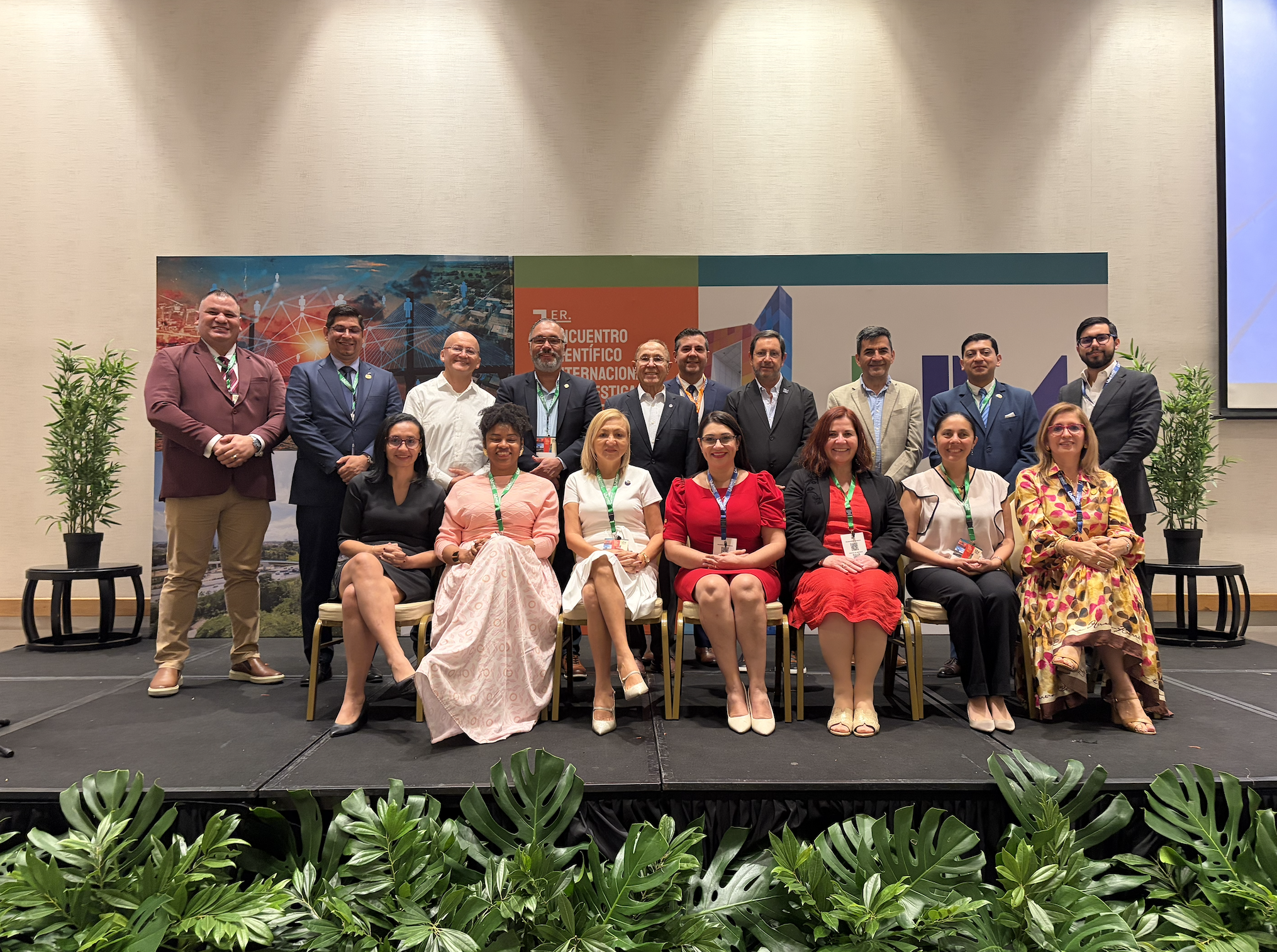
With the participation of nearly 480 researchers, teachers, students, academic authorities and representatives of higher education institutions from Colombia, Panama, Ecuador and the United States, the First International Scientific Meeting of University Research: Science with Territorial Impact was held on July 3 and 4, an event that positions Panama as an increasingly relevant actor in the construction of international research networks and scientific cooperation.
The scale of the event and the high academic caliber of its participants solidify this gathering as one of the most important scientific forums held this year in the region. For two days, Barranquilla becomes a hub for knowledge, innovation, and interdisciplinary dialogue, where science transcends its purely academic nature and becomes a tool capable of generating concrete solutions for territories and their communities.
The event, organized by the Metropolitan University of Education, Science and Technology -UMECIT-, marks a historic moment in the institutional history of the University by becoming the first international scientific meeting organized outside the Republic of Panama, reflecting the sustained growth of its research capacity and its leadership in the articulation of international academic networks.
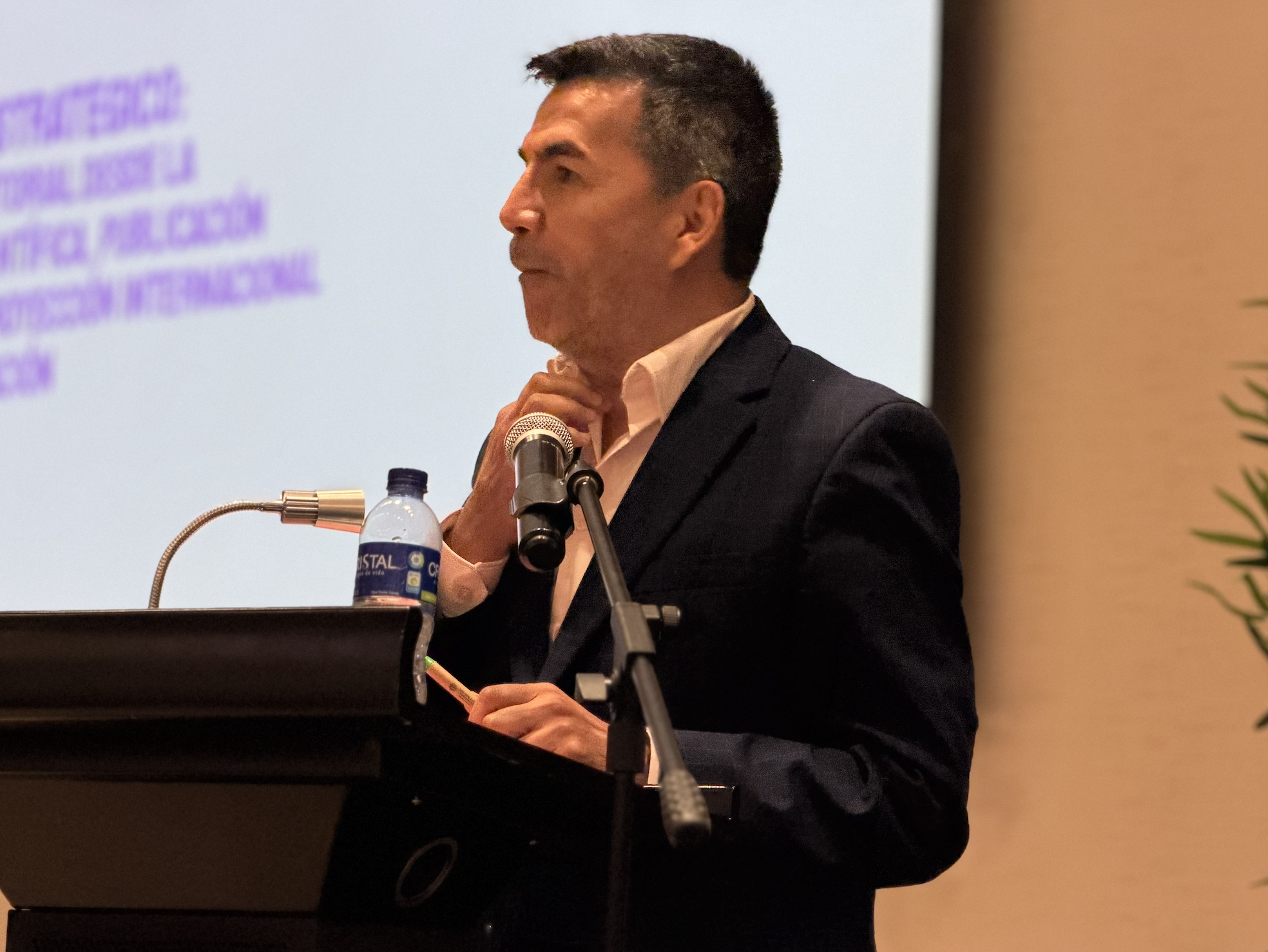
During the opening ceremony, the rector of UMECIT, Dr. José Alberto Nieto Rojas, emphasized that research must transcend laboratories and scientific publications to become an engine of social and territorial transformation. He noted that universities today have the responsibility to generate relevant knowledge, strengthen international cooperation, and develop evidence-based solutions to challenges such as environmental sustainability, digital transformation, public health, education, justice, and institutional strengthening.
For her part, Dr. Magdy De Las Salas, Director of Research and Innovation at UMECIT, invited the international scientific community to reflect on the true purpose of research. In a speech that was warmly received by the attendees, she stated that society no longer asks only how much research universities conduct, but for whom they conduct it, emphasizing that knowledge only acquires its full meaning when it improves people's quality of life and contributes to the sustainable development of territories.
The importance of the event was also recognized by local authorities. The Secretary of Education of Barranquilla, Paola Amar Sepúlveda, expressed her gratitude that the city was chosen to host this first international edition and highlighted that the presence of foreign delegations demonstrates UMECIT's growing standing and its impact on the regional academic landscape.
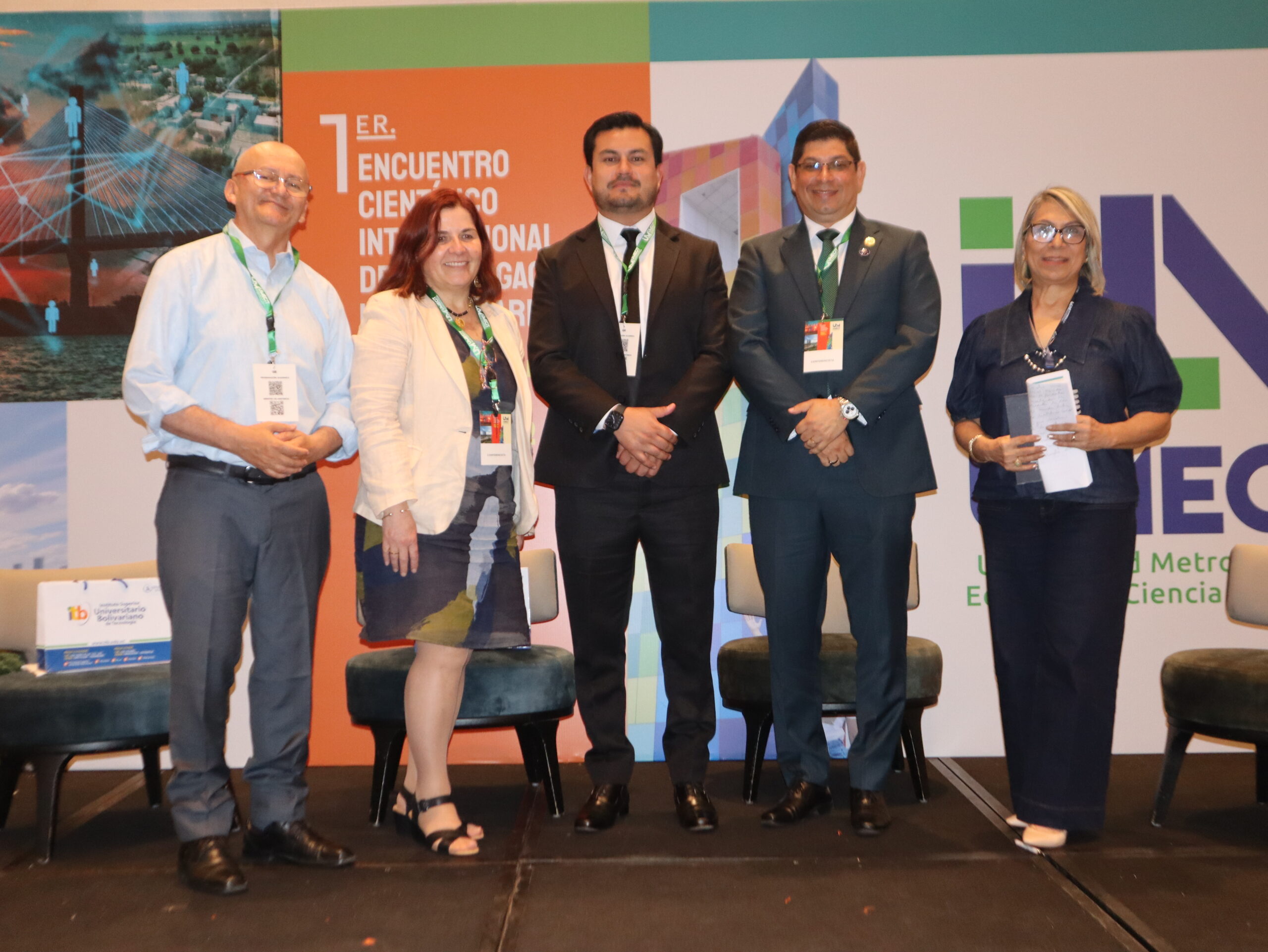
The scientific program brought together leading experts from Latin America, including the former Vice Minister of Knowledge, Innovation and Productivity of Colombia, Dr. Ana Lucía Caicedo; Dr. María Alejandra Tejada Gómez, from the Pontifical Javeriana University; Dr. José Arlés Gómez, from the Juan N. Corpas University Foundation; and researcher Deivis Luján Rhenals, from the University of Córdoba, who address topics related to research governance, innovation, knowledge transfer and scientific policies for territorial development.
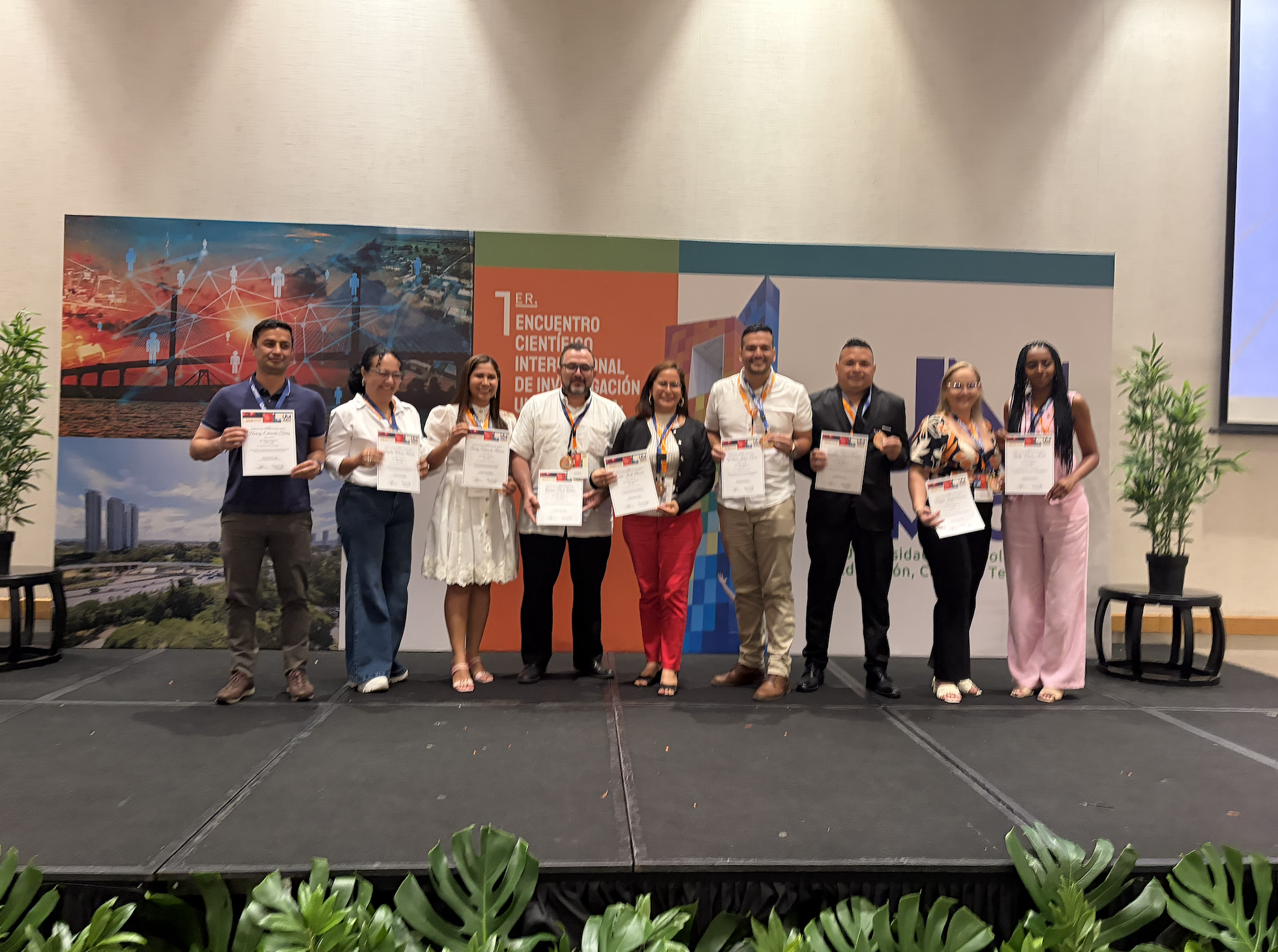
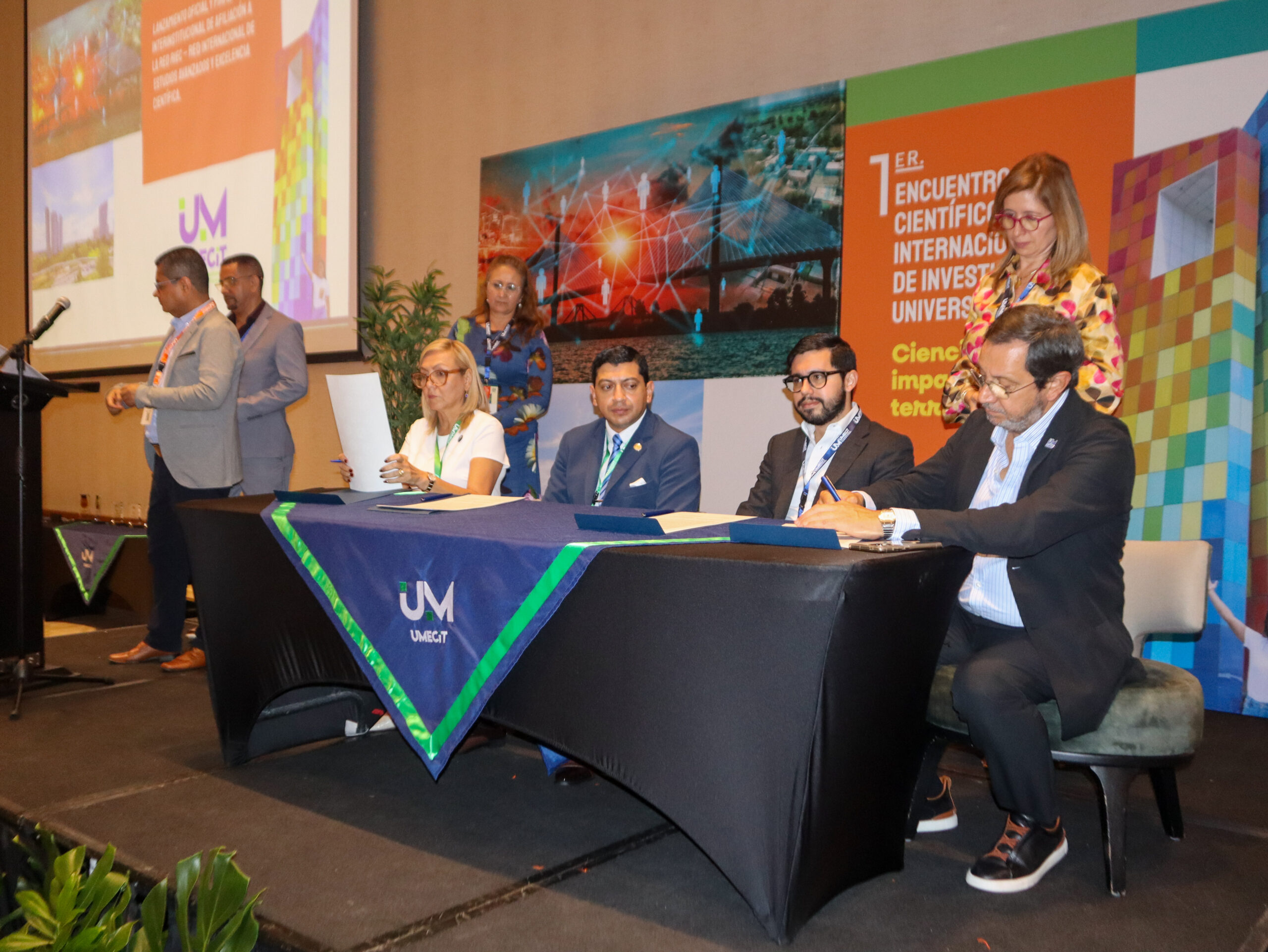
One of the aspects that generated the most expectation was the presentation of 245 research projects in digital scientific poster format, along with the official launch of the International Network of Advanced Studies and Scientific Excellence (RIEC), the awarding of the Doctoral Distinction for Territorial Transformation and the signing of new cooperation agreements between universities in the region, initiatives aimed at strengthening scientific production and knowledge mobility in Latin America.
Beyond the figures, the meeting represents a commitment to consolidating a new vision for higher education, in which research is a strategic pillar for driving the economic, social, and environmental development of Latin American countries. In this context, Panama is strengthening its presence on the regional scientific agenda through a university that has chosen to lead international cooperation efforts and promote science focused on impact, innovation, and the transformation of local communities.
The realization of this meeting confirms that the internationalization of research is no longer an aspiration, but a reality. With Barranquilla as the venue and the participation of hundreds of researchers from different countries, UMECIT is consolidating a space that strengthens academic exchange, fosters new strategic alliances, and projects Panama as an emerging leader in the generation of knowledge with regional impact.