
Successful commemoration of Black History Month 2026
With a wide range of academic, cultural and educational activities developed throughout the month of May, UMECIT concluded the commemoration of Black Ethnicity Month 2026 at the national level, reaffirming its commitment to the promotion of inclusion, the appreciation of cultural diversity and the recognition of the contributions of the Afro-descendant population to the historical, social and cultural construction of Panama.
This integration allowed the development of spaces for learning, reflection, and participation that strengthened the knowledge of our roots and the appreciation of the multicultural richness that characterizes the Panamanian nation.
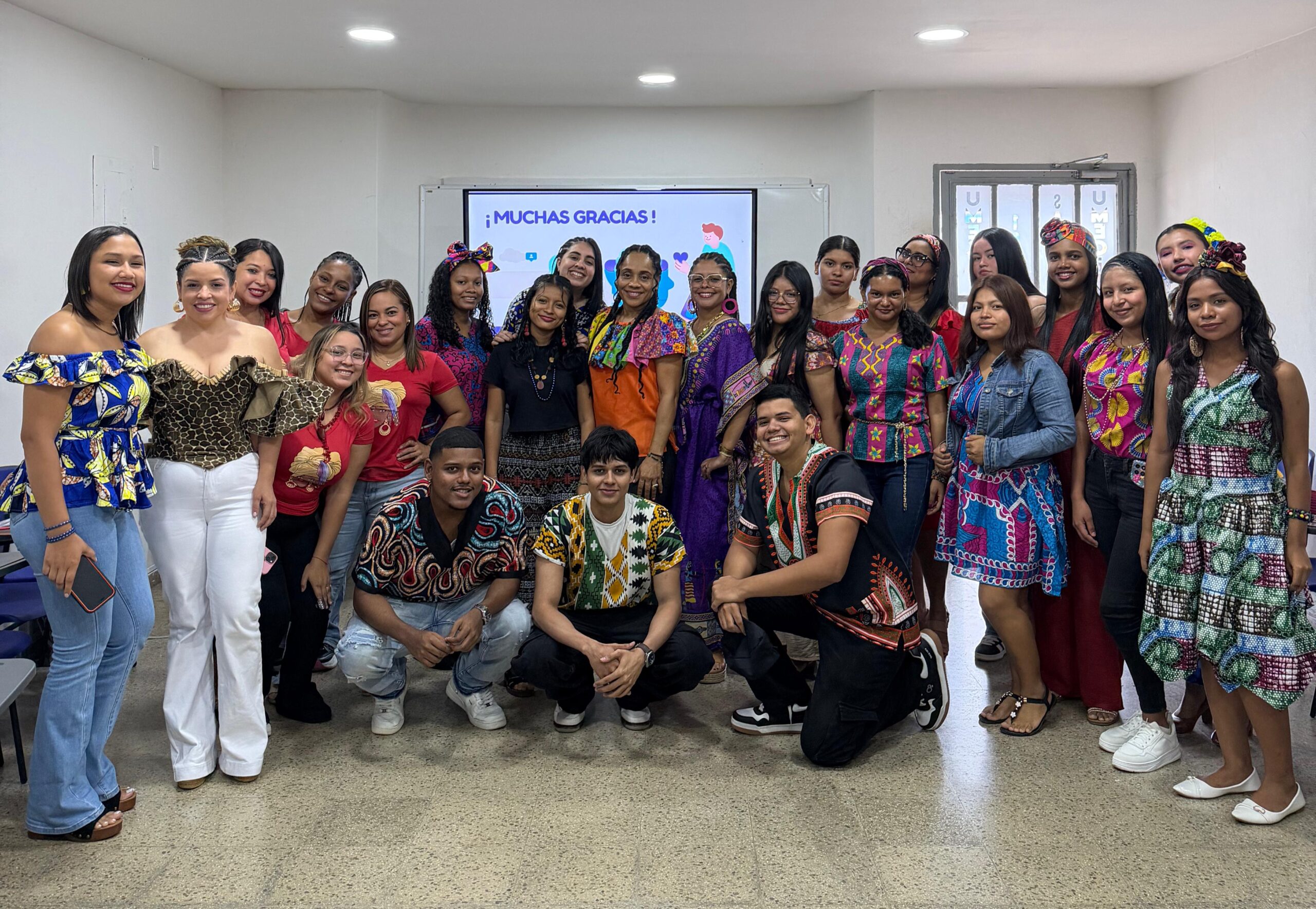
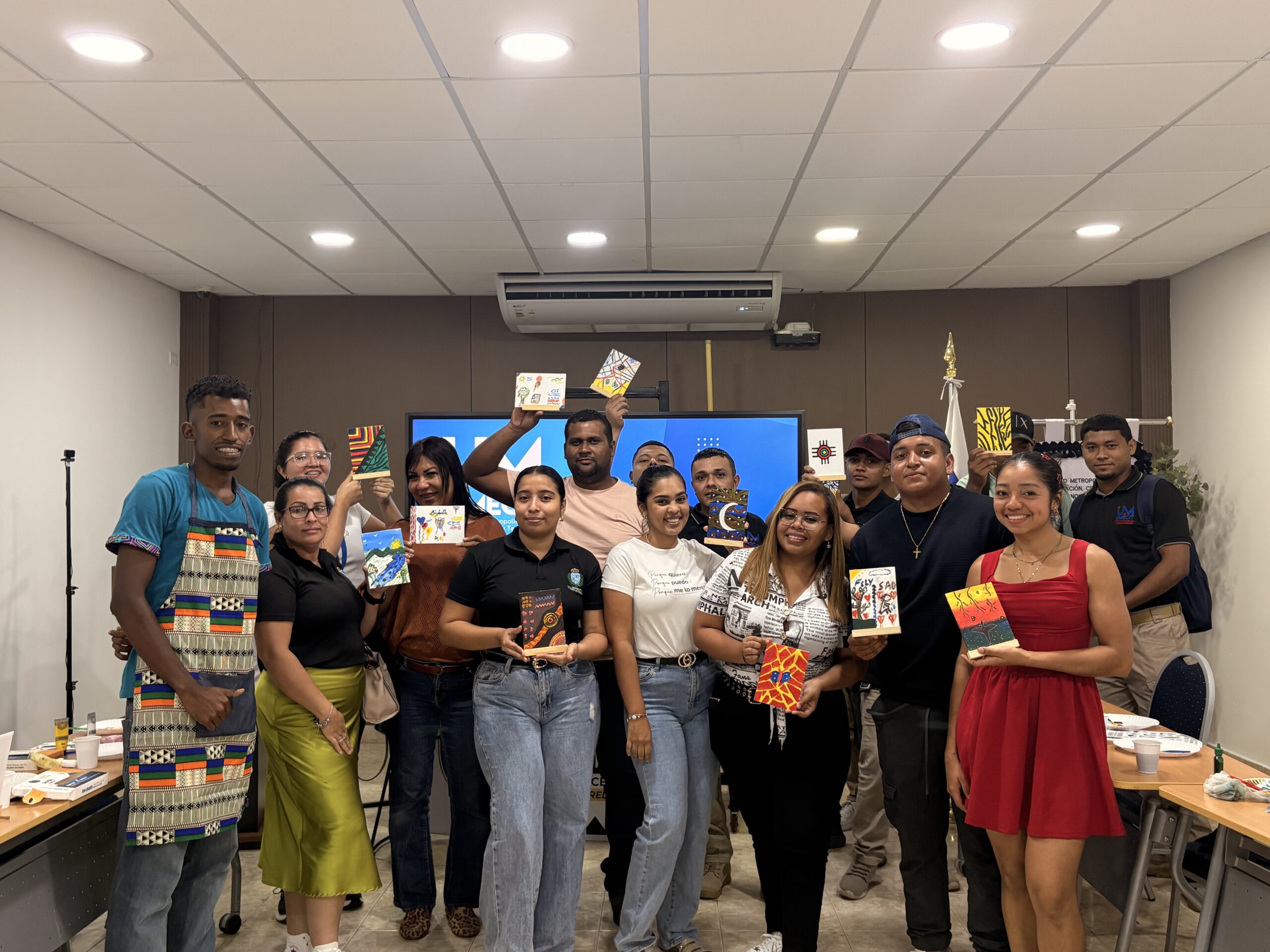
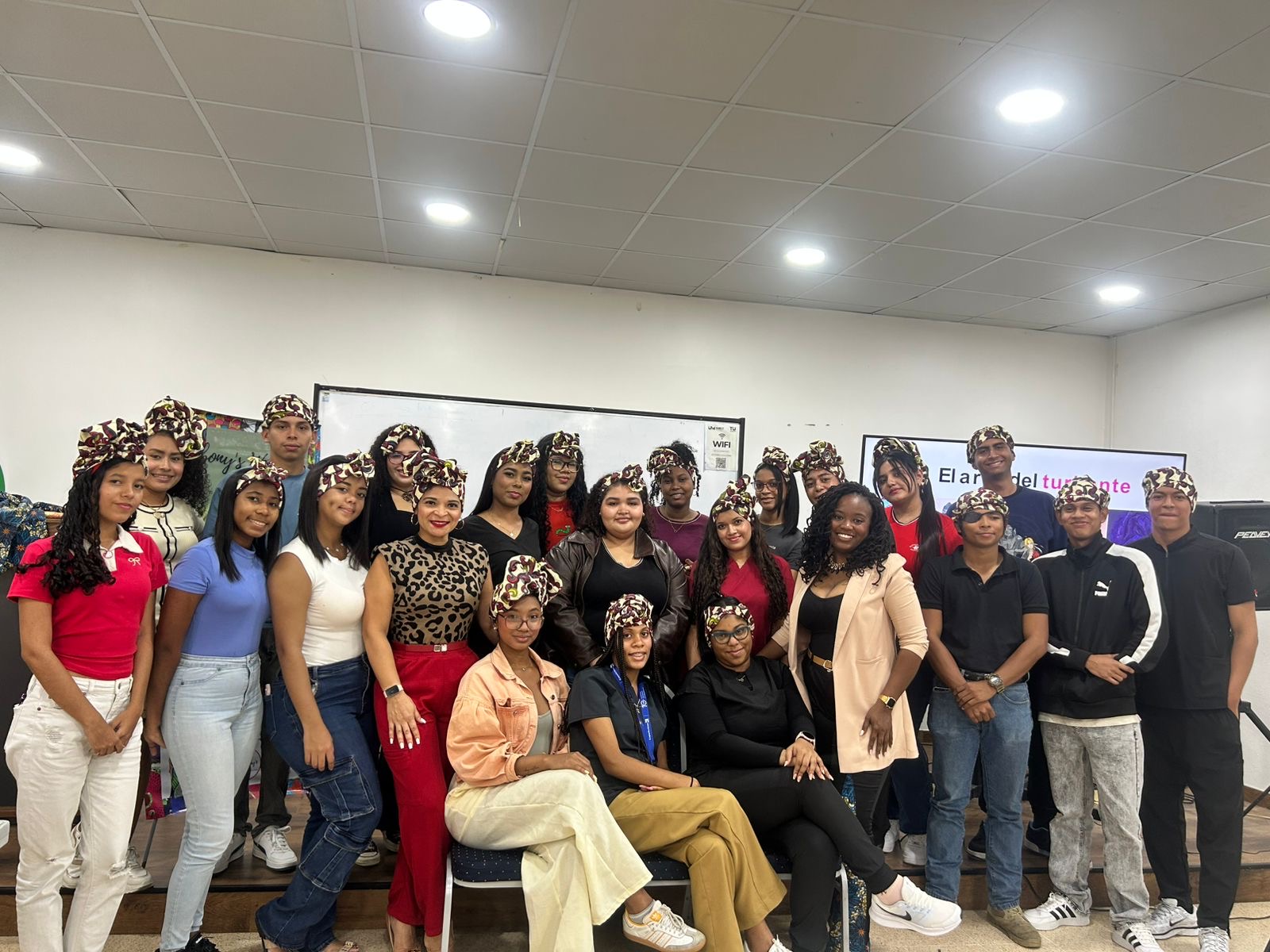
Among the activities carried out, the Braids Day, the Turban Day and the Hair Care and Afro Painting Workshop stood out, initiatives that allowed students, teachers and collaborators to approach cultural expressions transmitted from generation to generation and closely linked to the Afro-descendant identity.
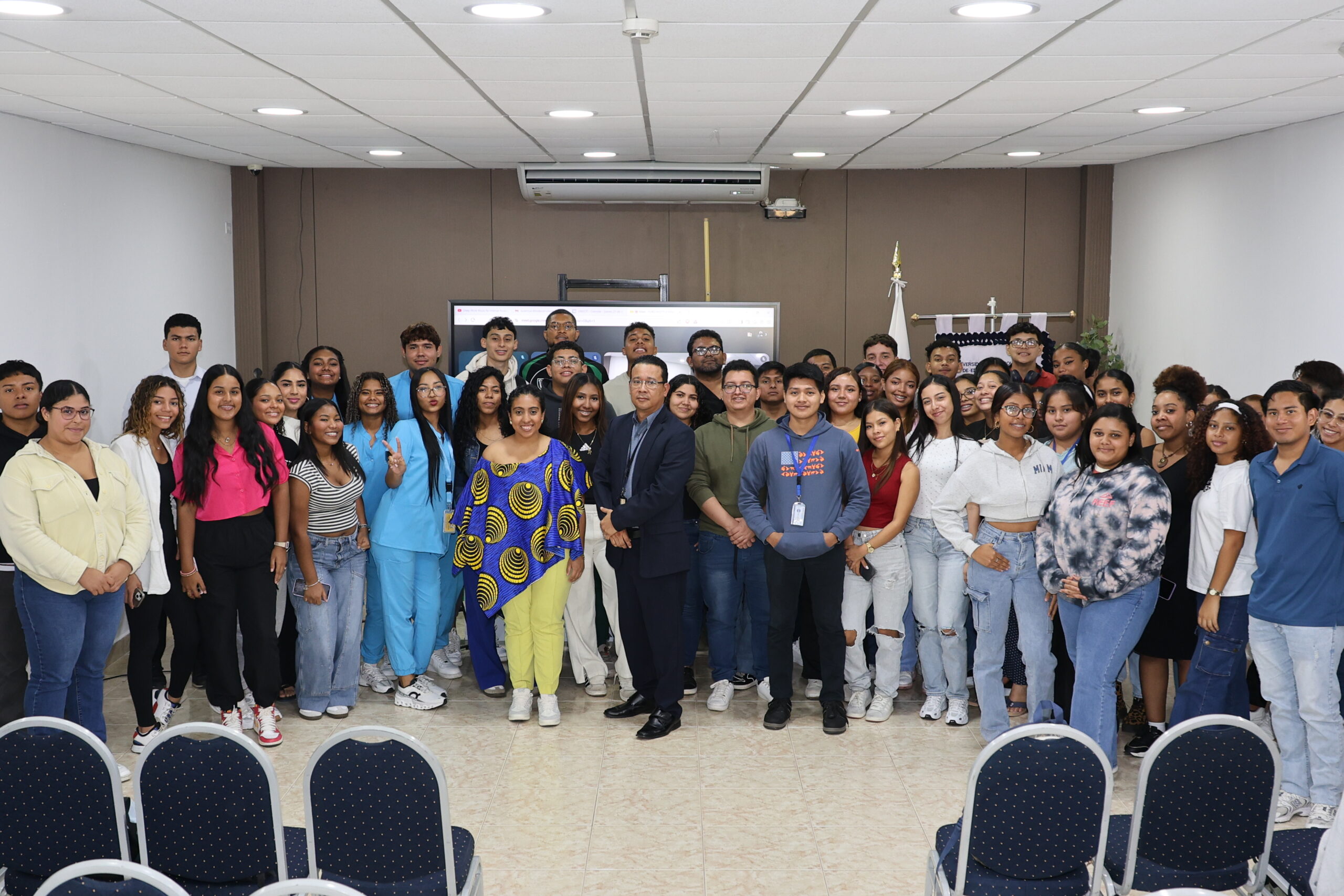
The academic agenda also included the Institutional Forum “Roots and Paths,” a space for analysis and dialogue on identity, memory, representation, and contemporary challenges. The forum featured the participation of Leirys Morales, Vice President of the Afro-Panamanian Youth Network Foundation, and sociologist and professor Miguel Rivas, who shared experiences and reflections with the university community.
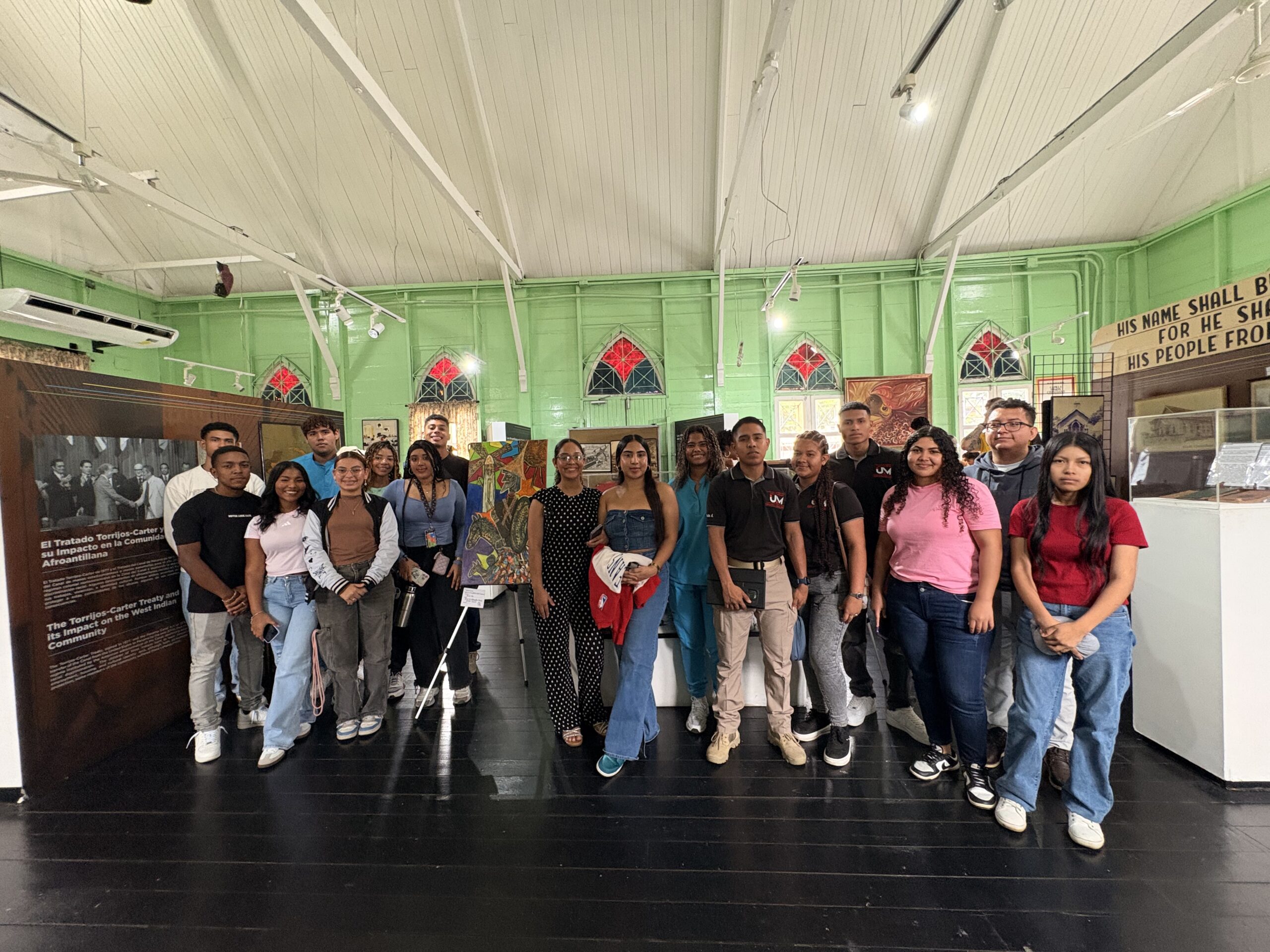
As part of the activities, an educational visit to the Afro-Antillean Museum of Panama was developed, allowing participants to deepen their knowledge of the history, contributions and legacy of Afro-descendant communities in the country.
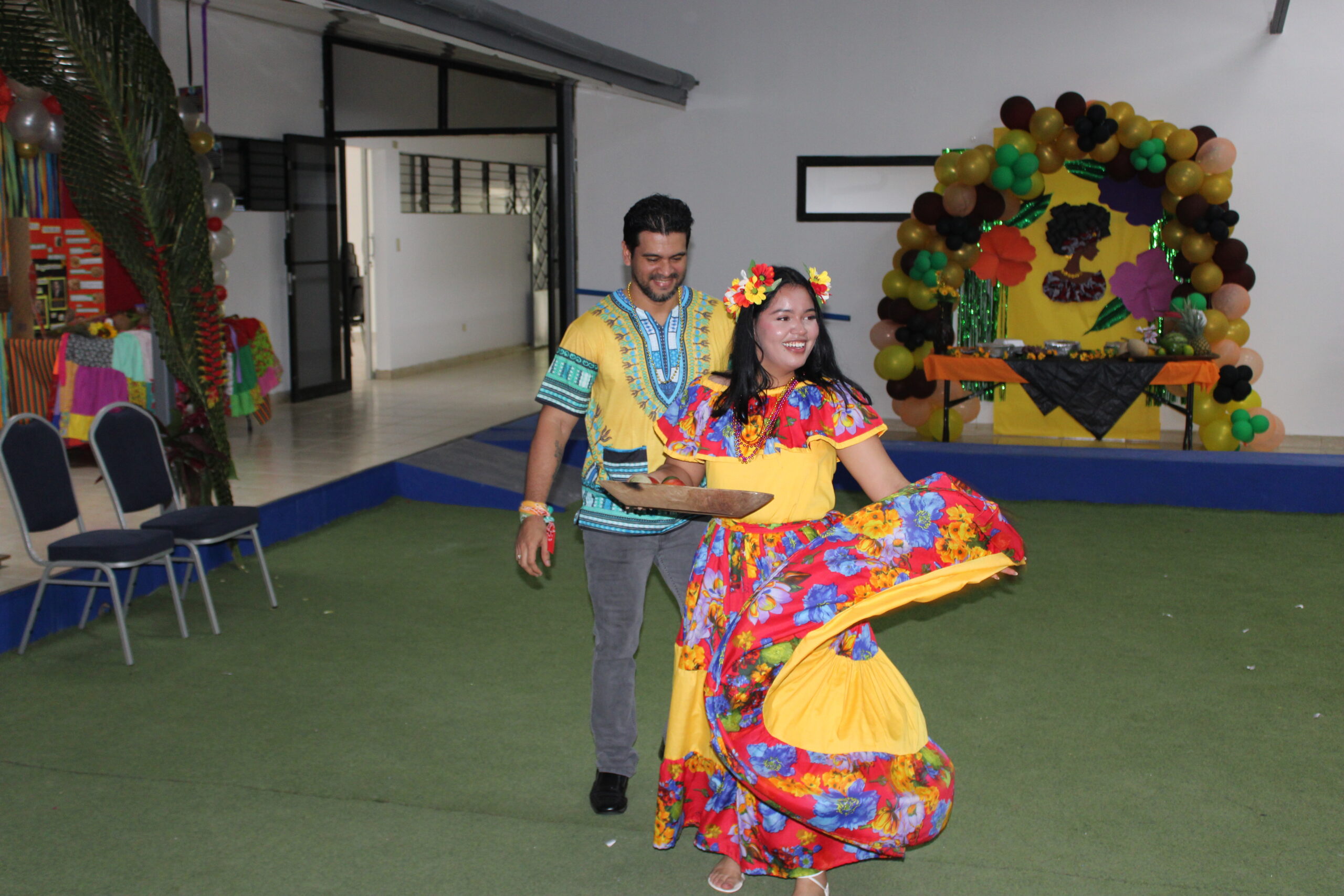
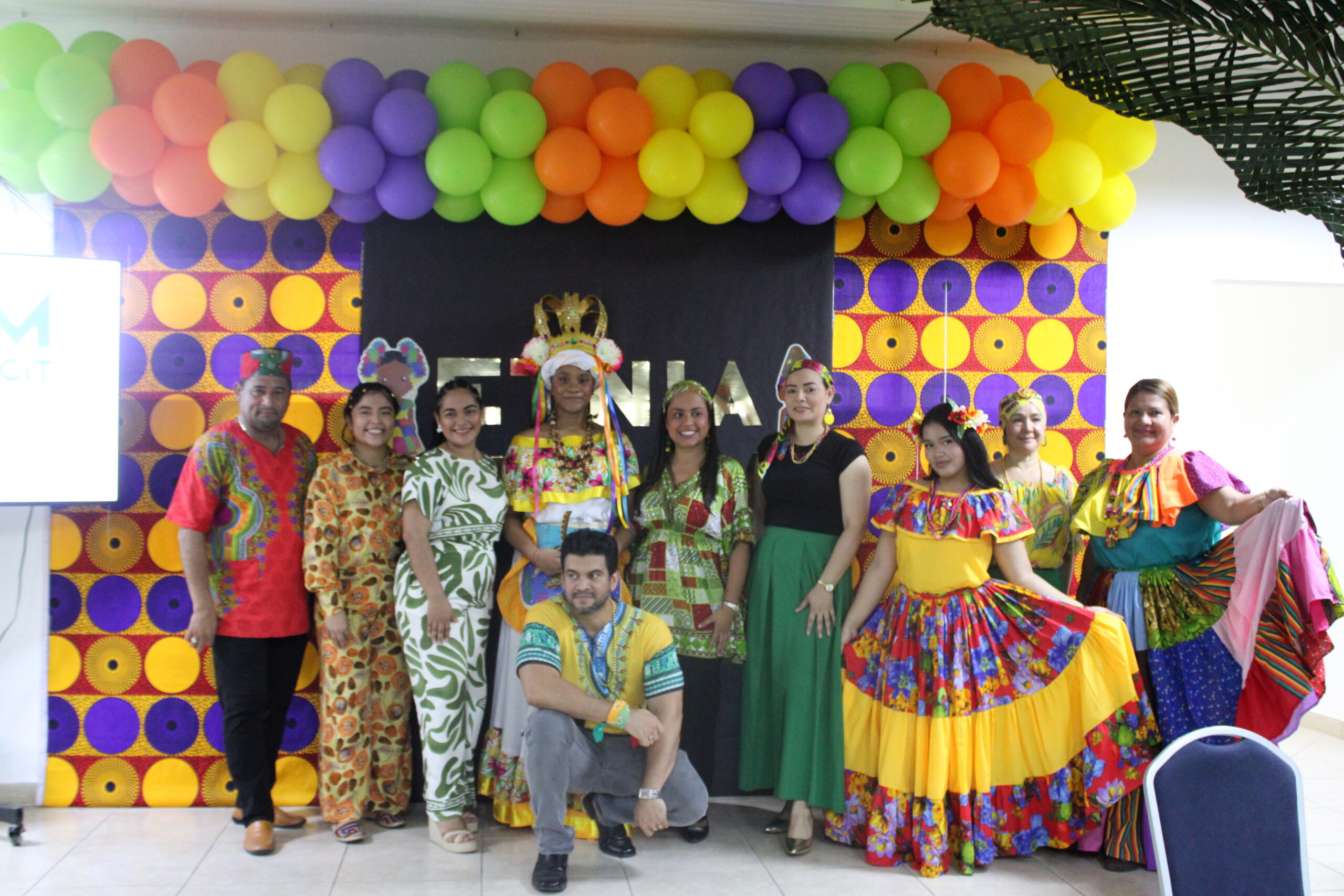
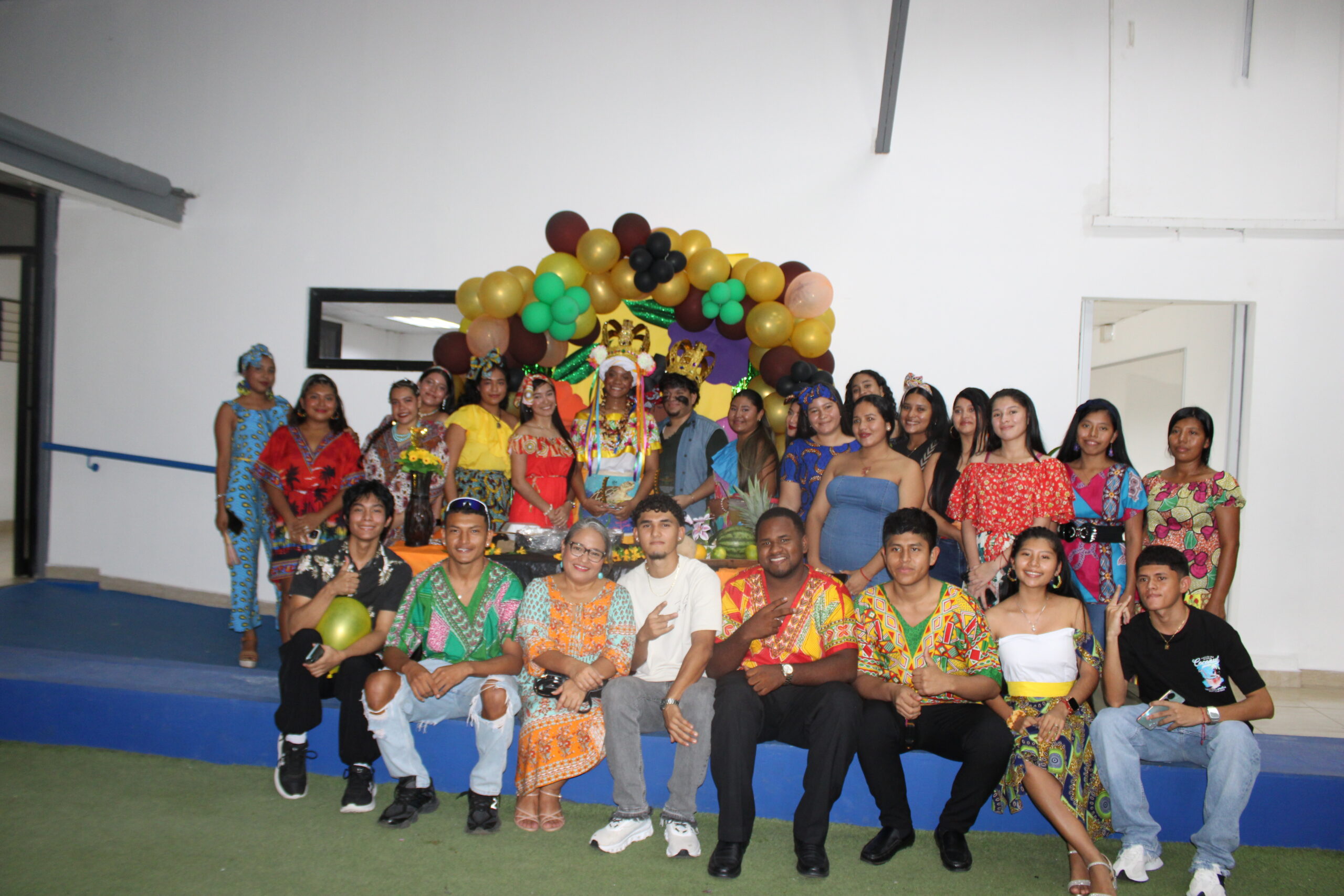
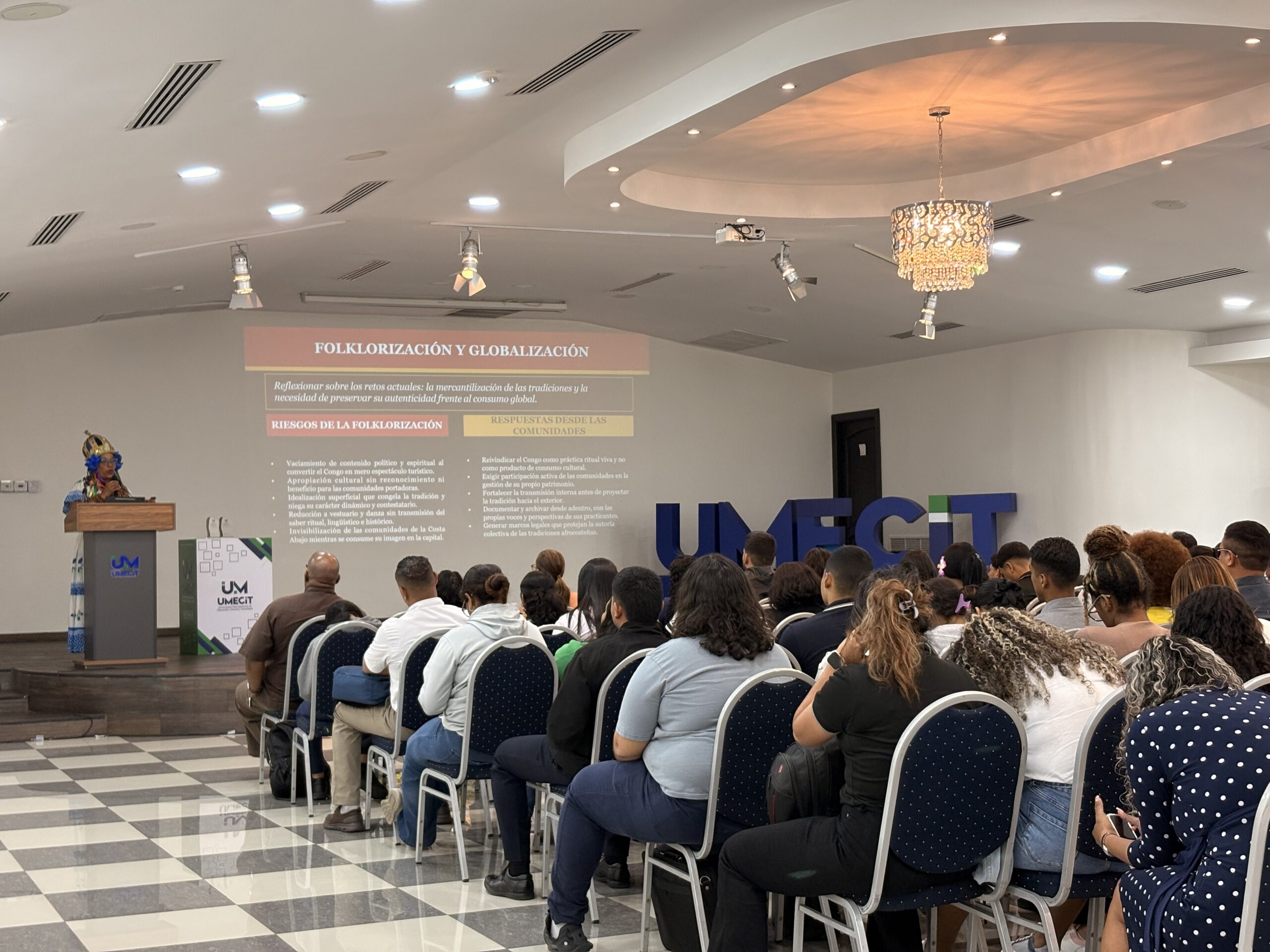
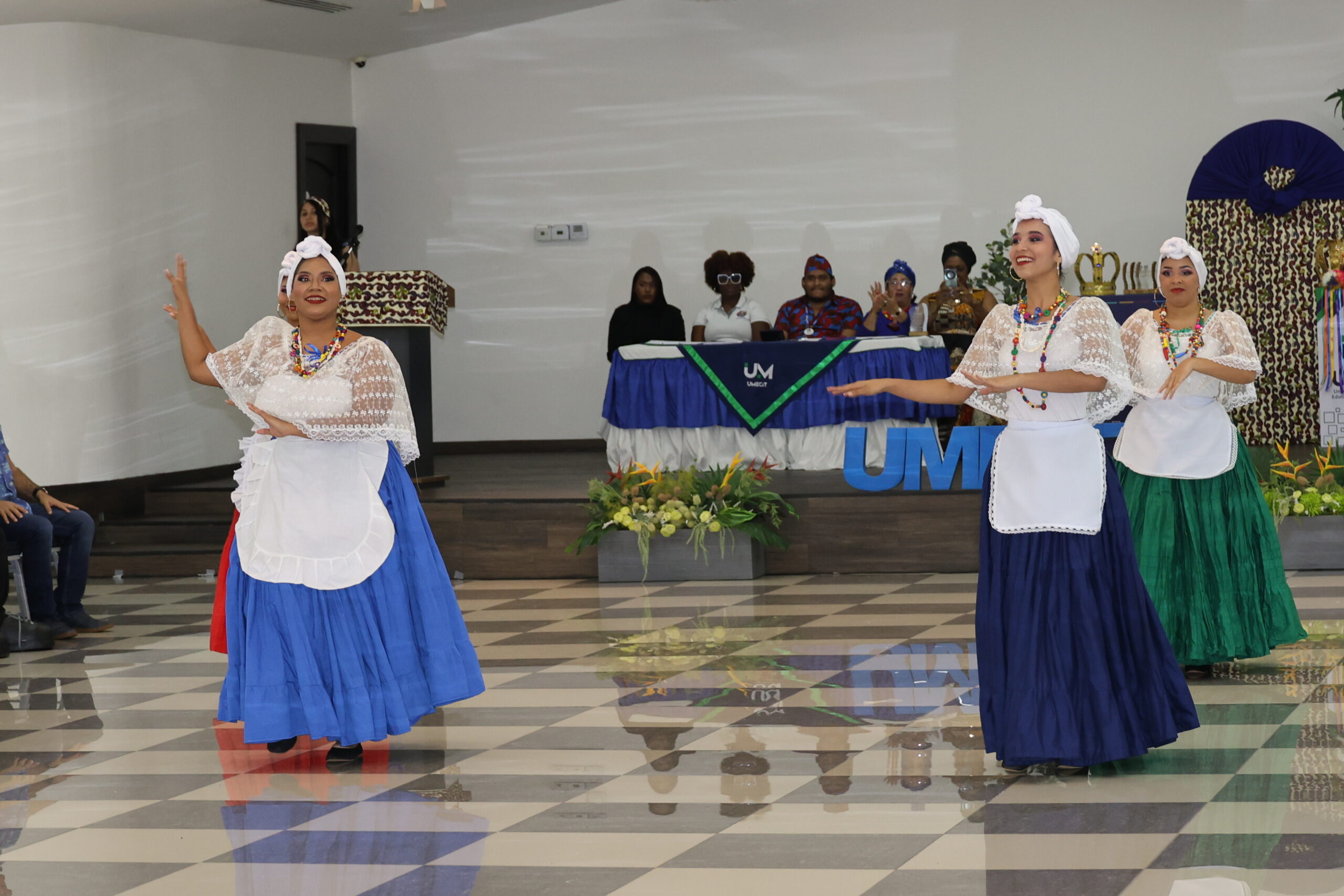
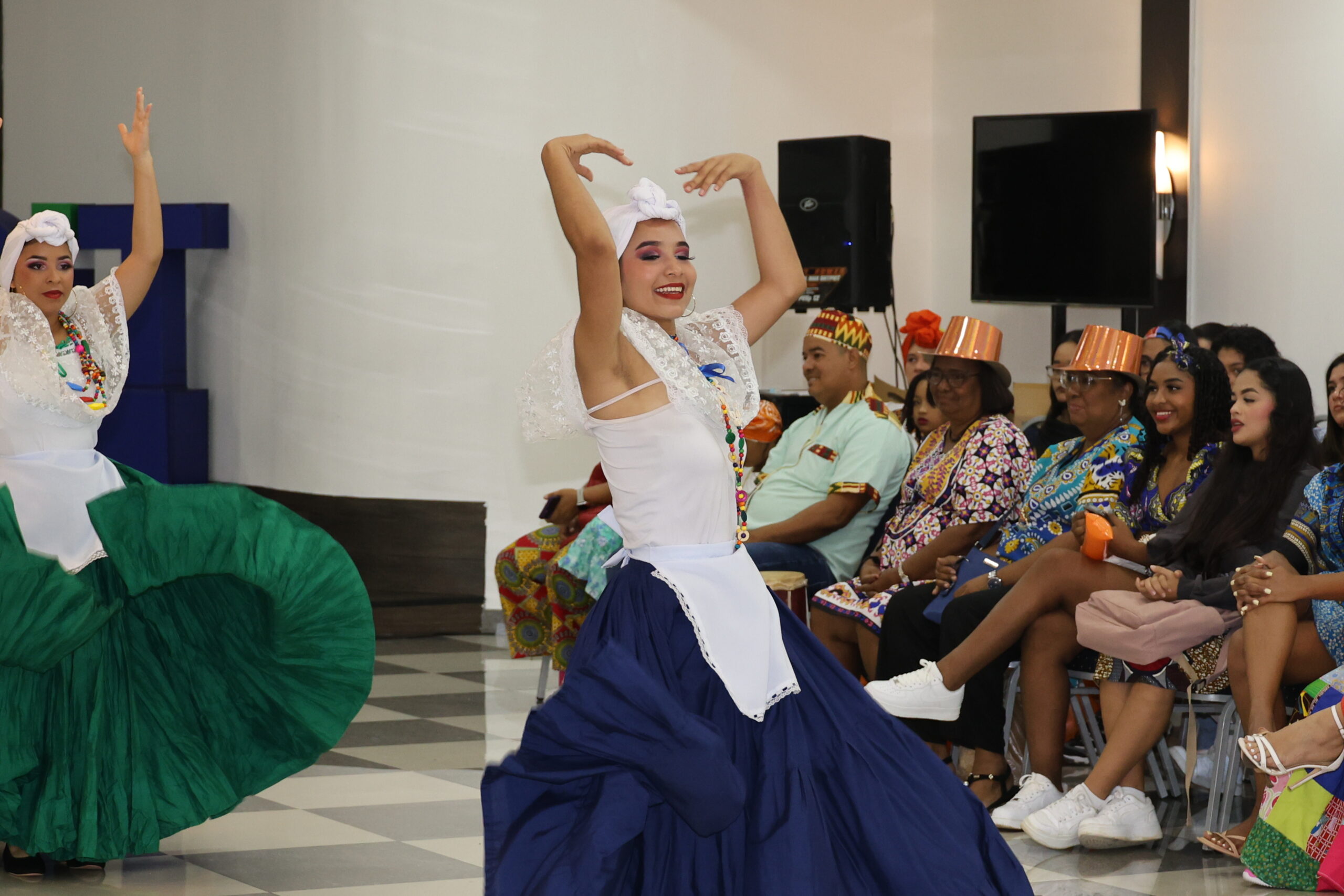
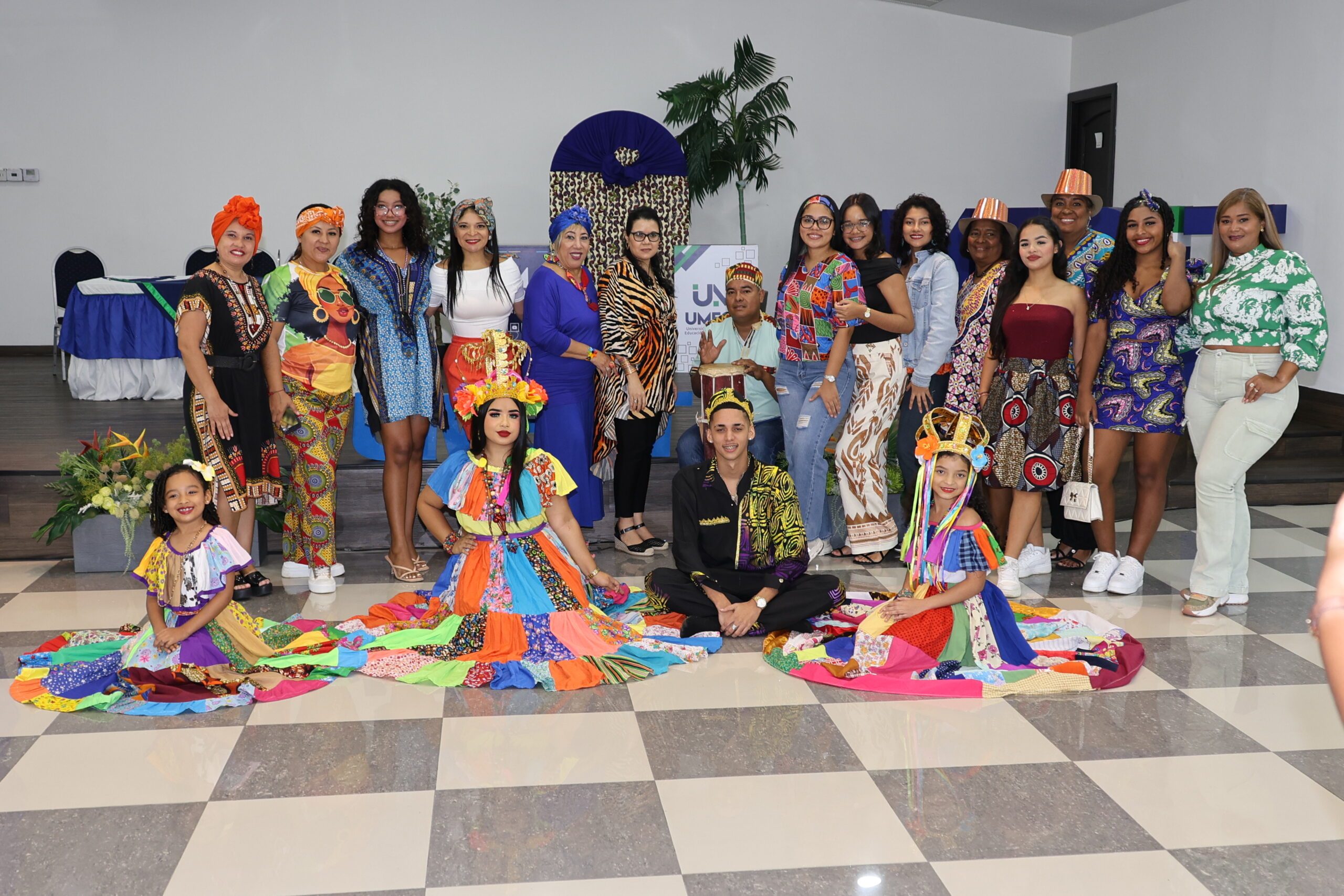
One of the most significant moments of the program was the Afro-descendant Cultural Day, an activity that brought together students, teachers, collaborators and special guests around conferences, spaces for reflection and artistic expressions aimed at strengthening historical memory and the recognition of cultural diversity.
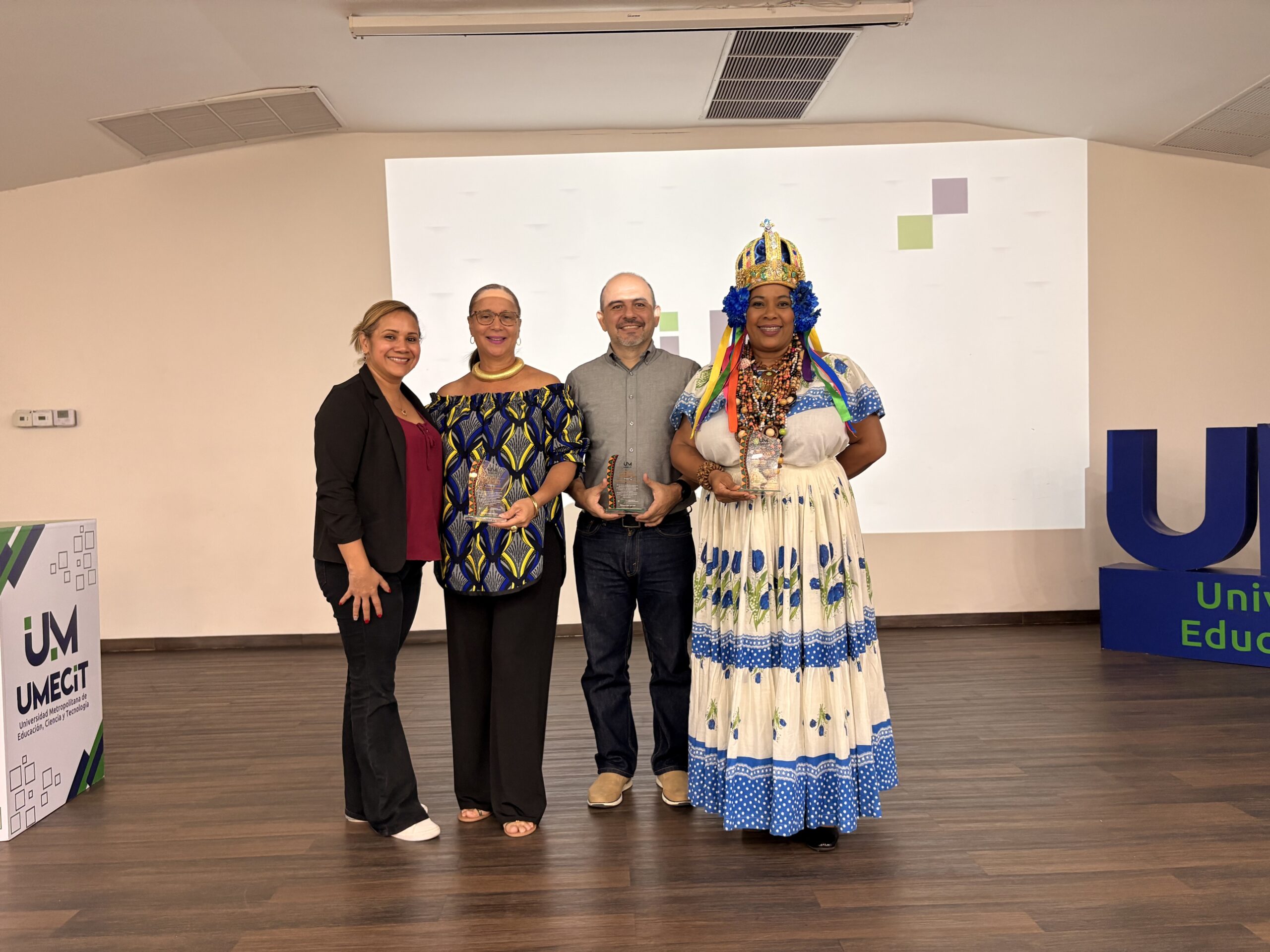
During the day, the participation of Mgtr. Krishna Camarena, who presented the conference “Beyond May: Origins and Afro-descendant memory in Panama”, as well as Lic. and professor Eneida Reyes de Valencia, president of the MICÉ Foundation, who developed the master conference “The Congo Culture: Living memory and resistance in the construction of national identity”.
Attendees also enjoyed a permanent photographic exhibition on Congo Culture, developed by the Panama Photographic Club, which allowed them to appreciate from a visual perspective one of the most representative cultural manifestations of Panamanian heritage.
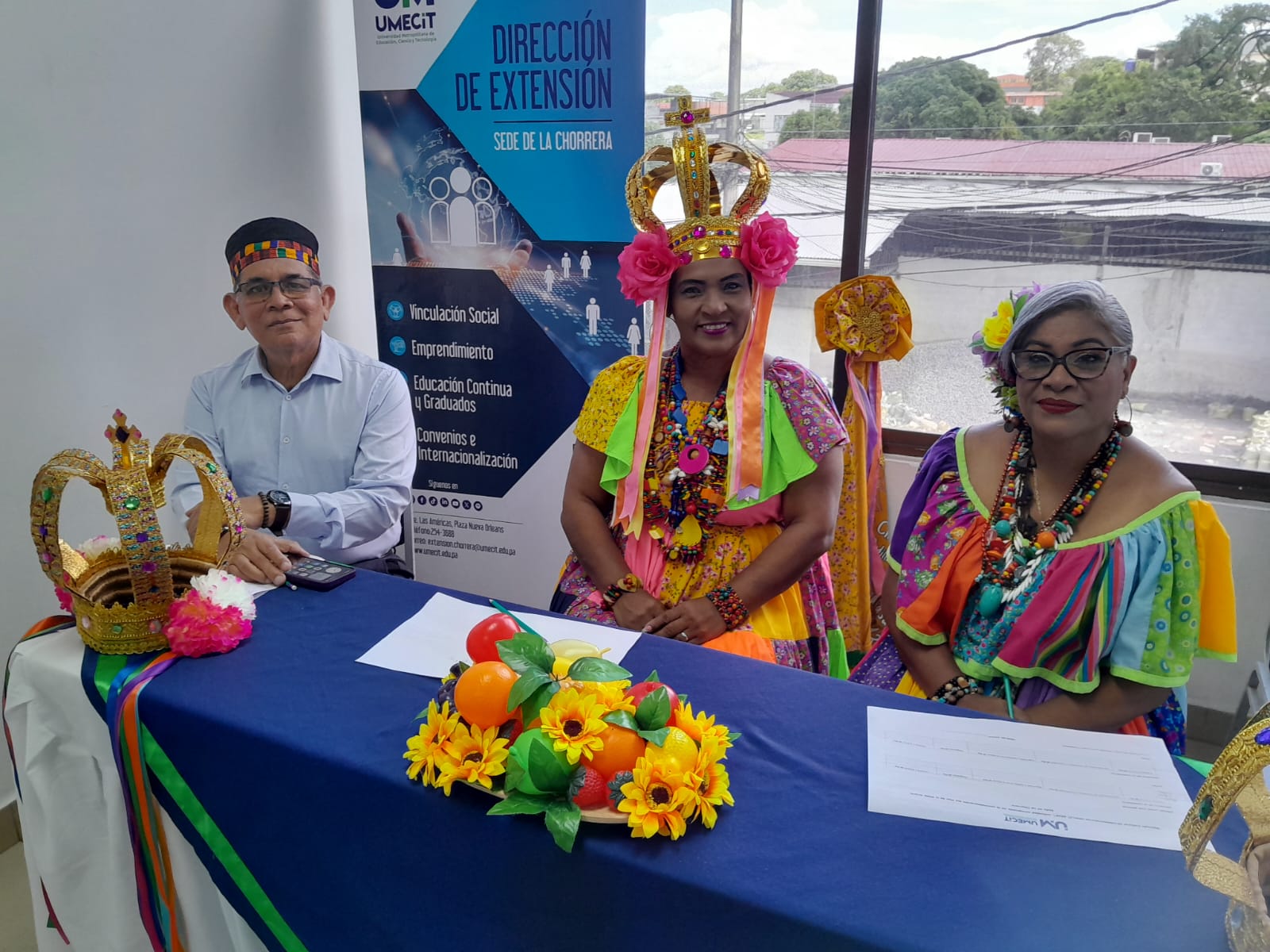
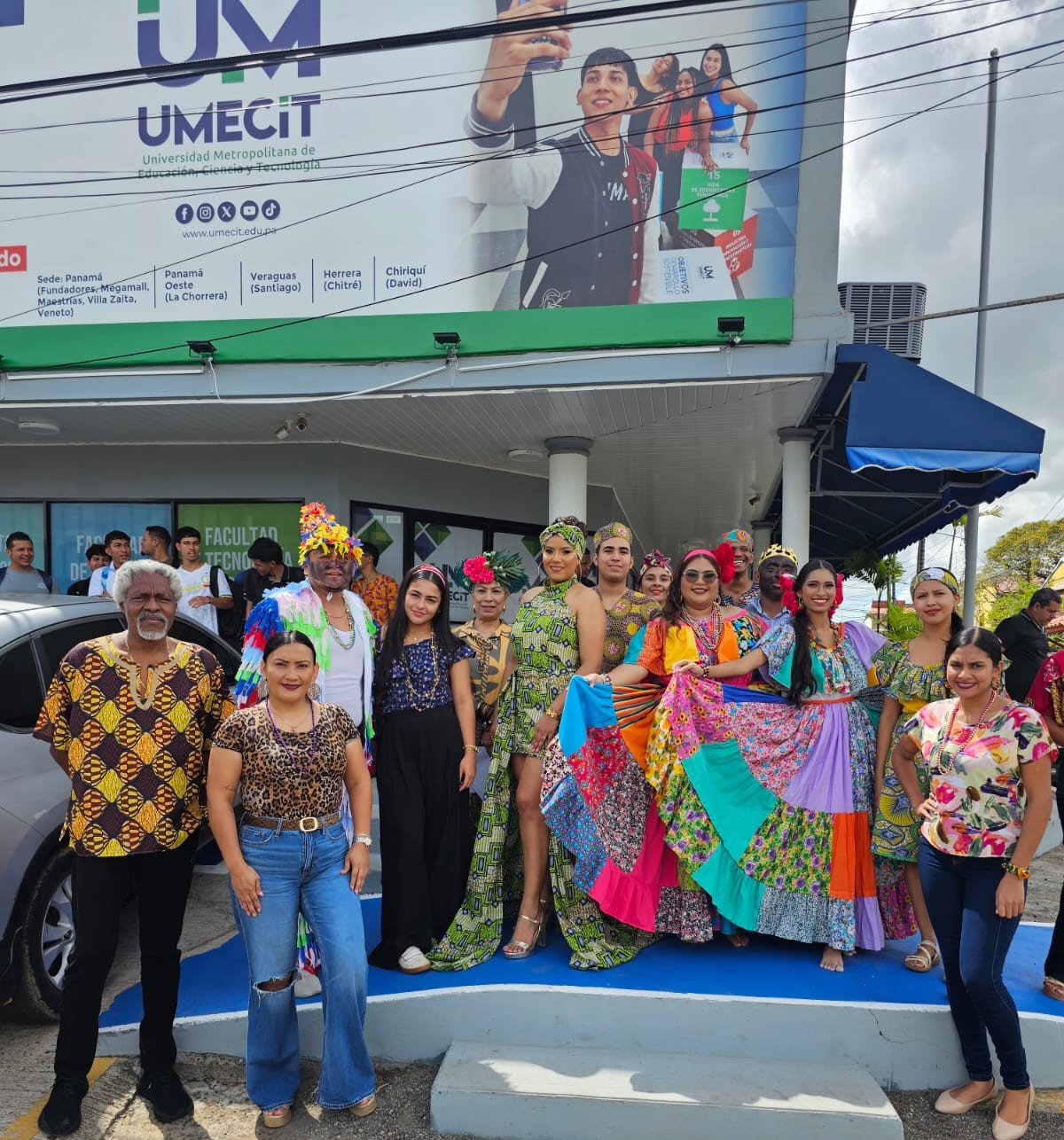
As the closing event of the national program, the Directorate of Outreach and Community Engagement, through its entrepreneurship program, organized the Afro-Entrepreneurship Bazaar at its Panama City and La Chorrera locations. This initiative showcased businesses, products, and proposals led by Afro-descendant entrepreneurs, creating spaces for exchange and fostering economic and cultural growth.
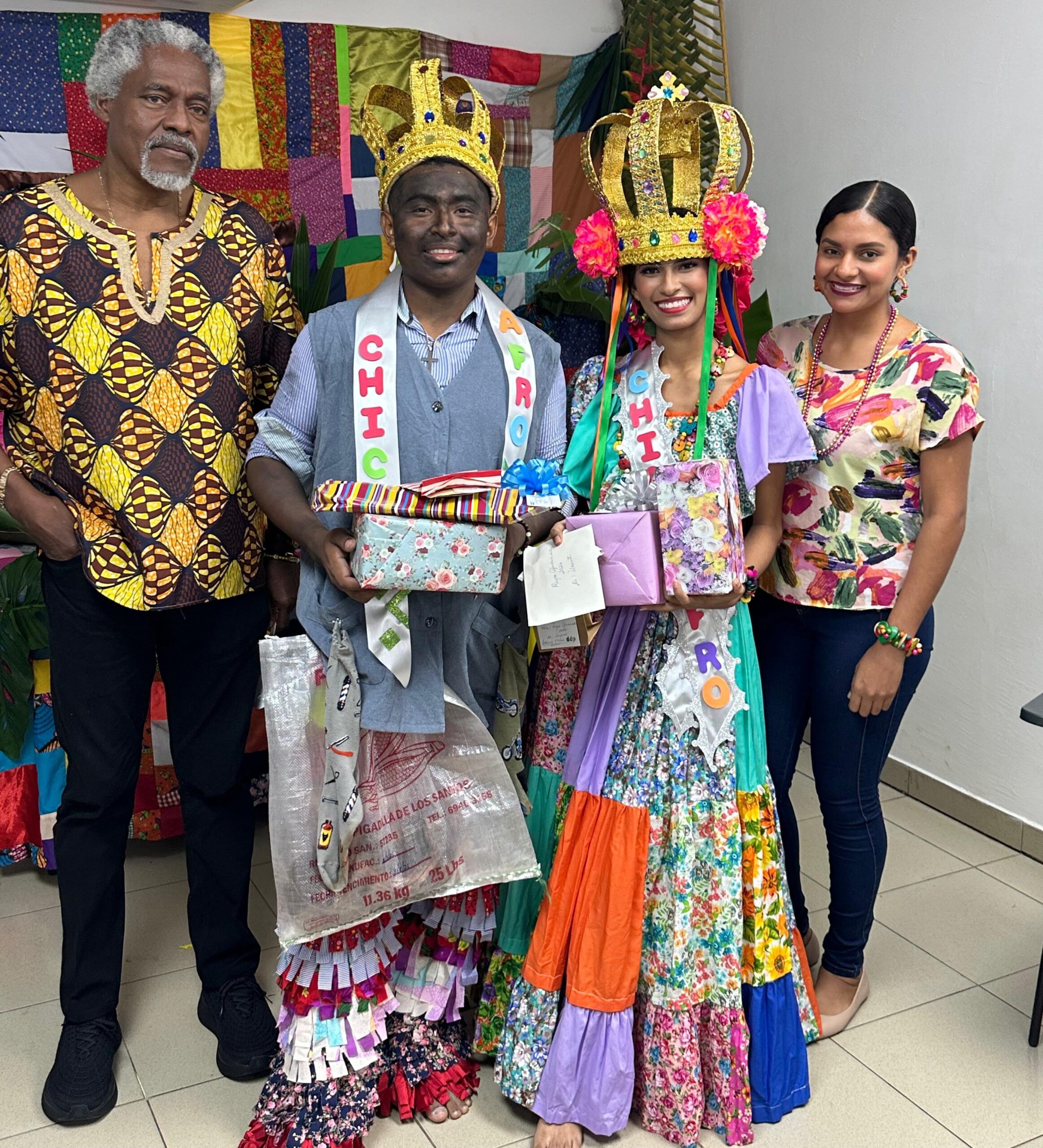
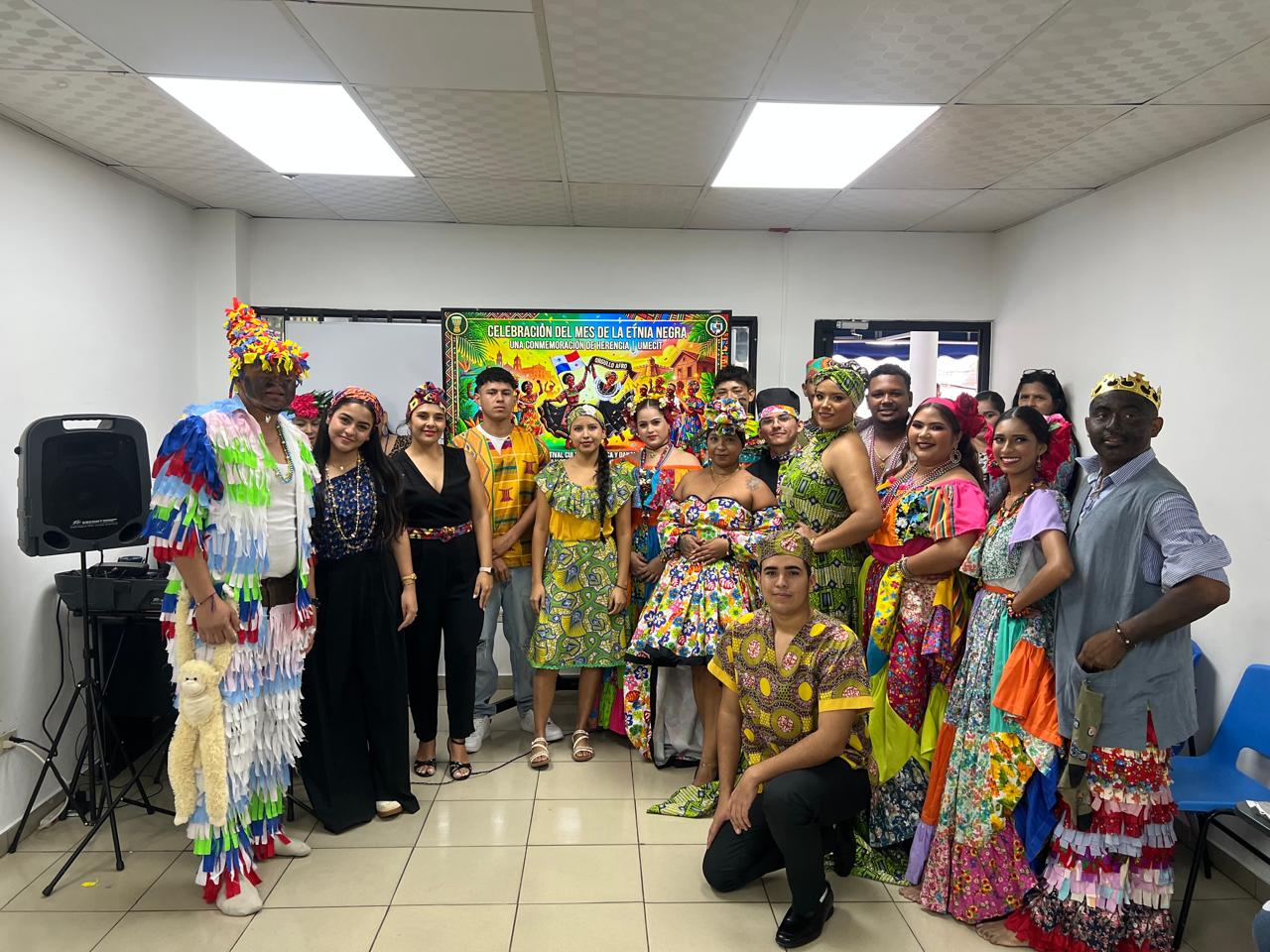
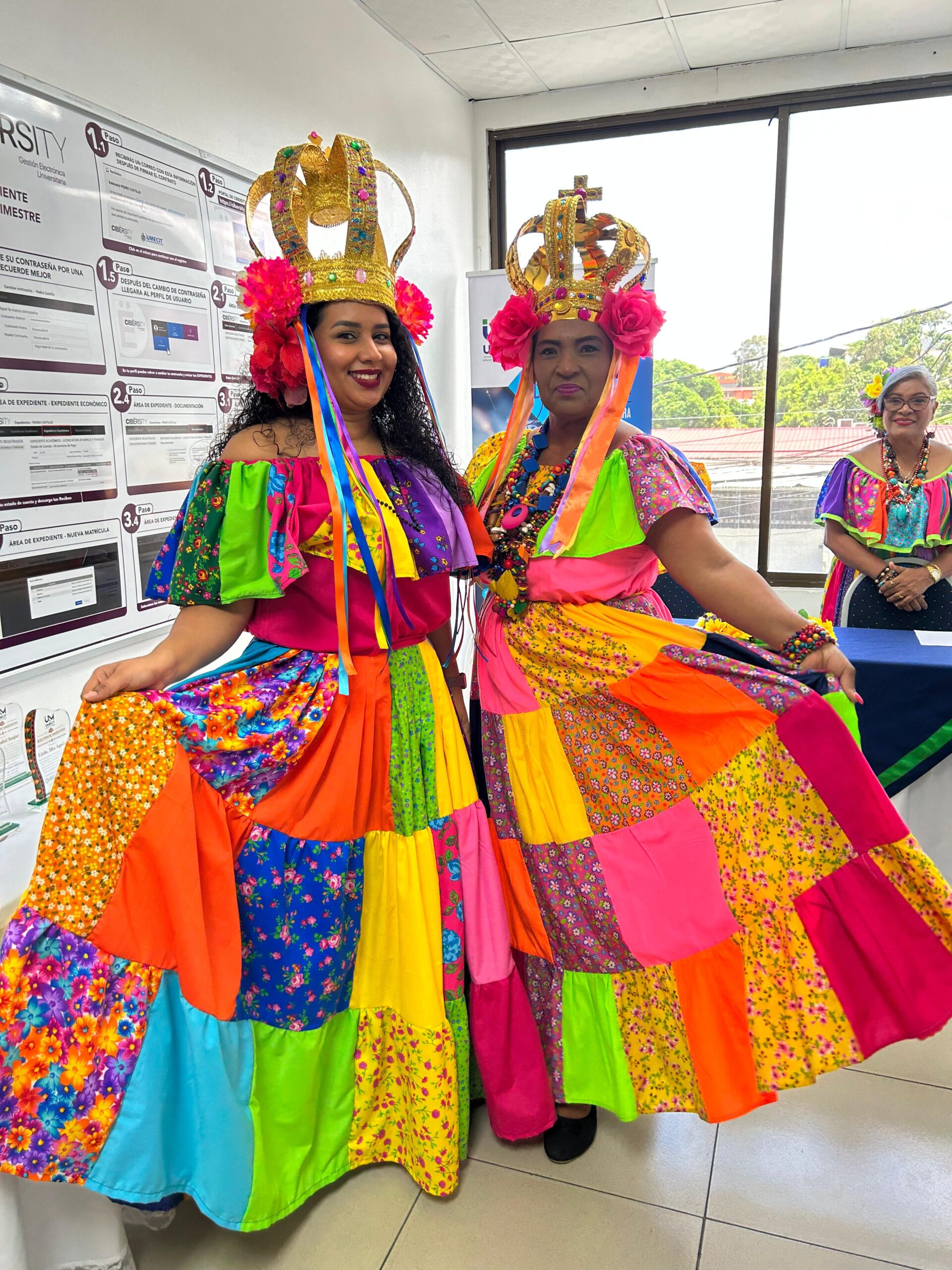
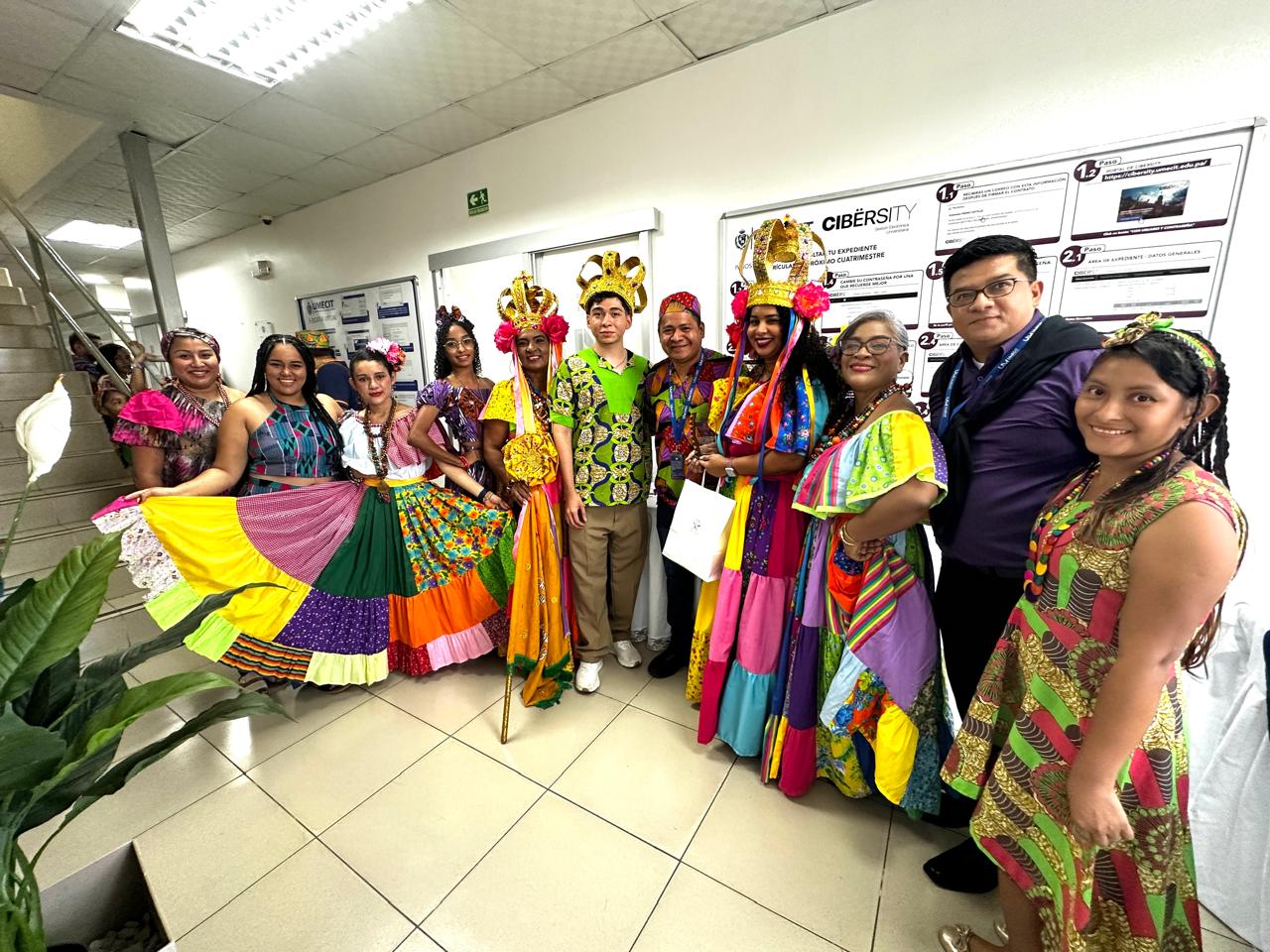
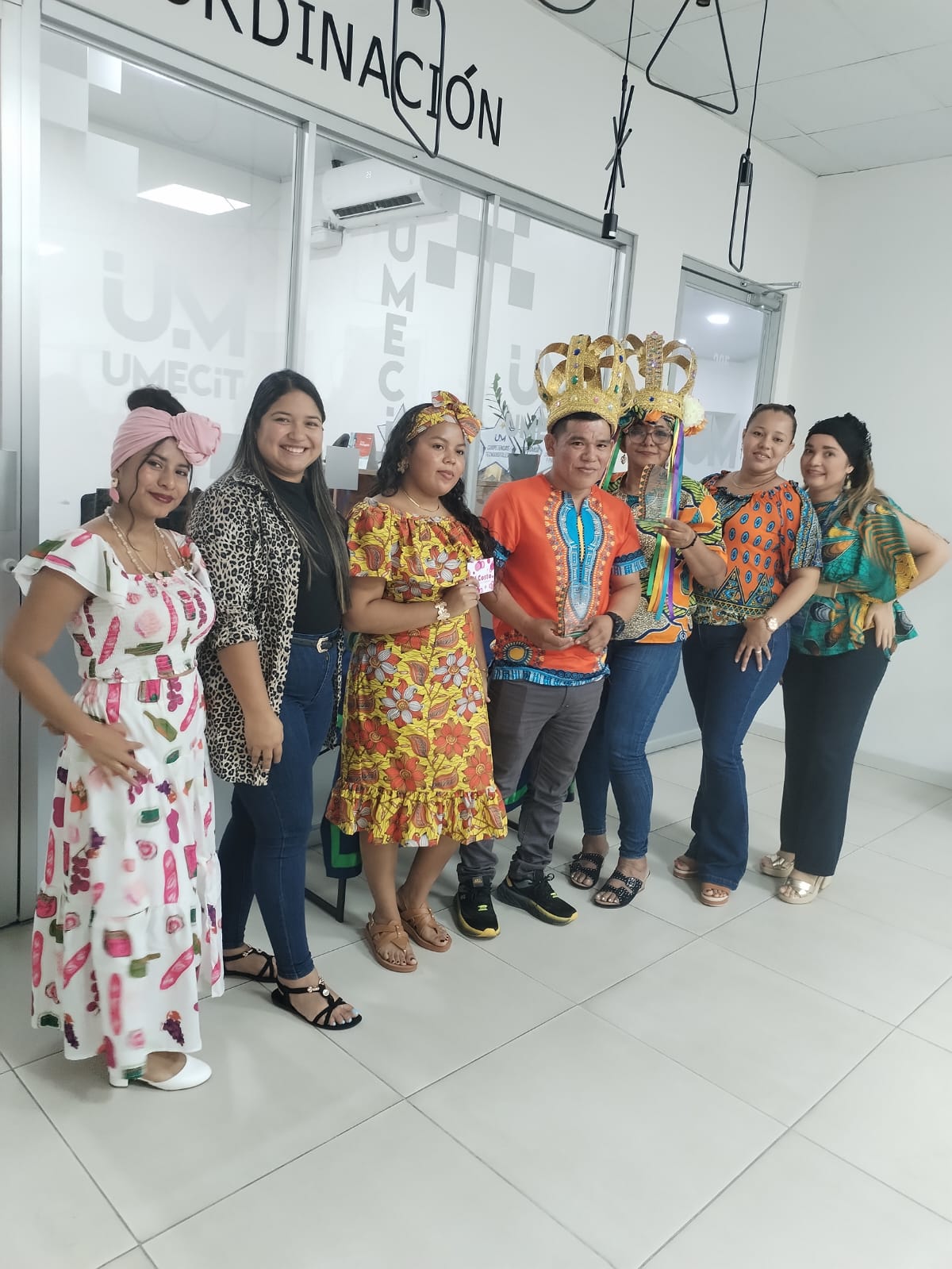
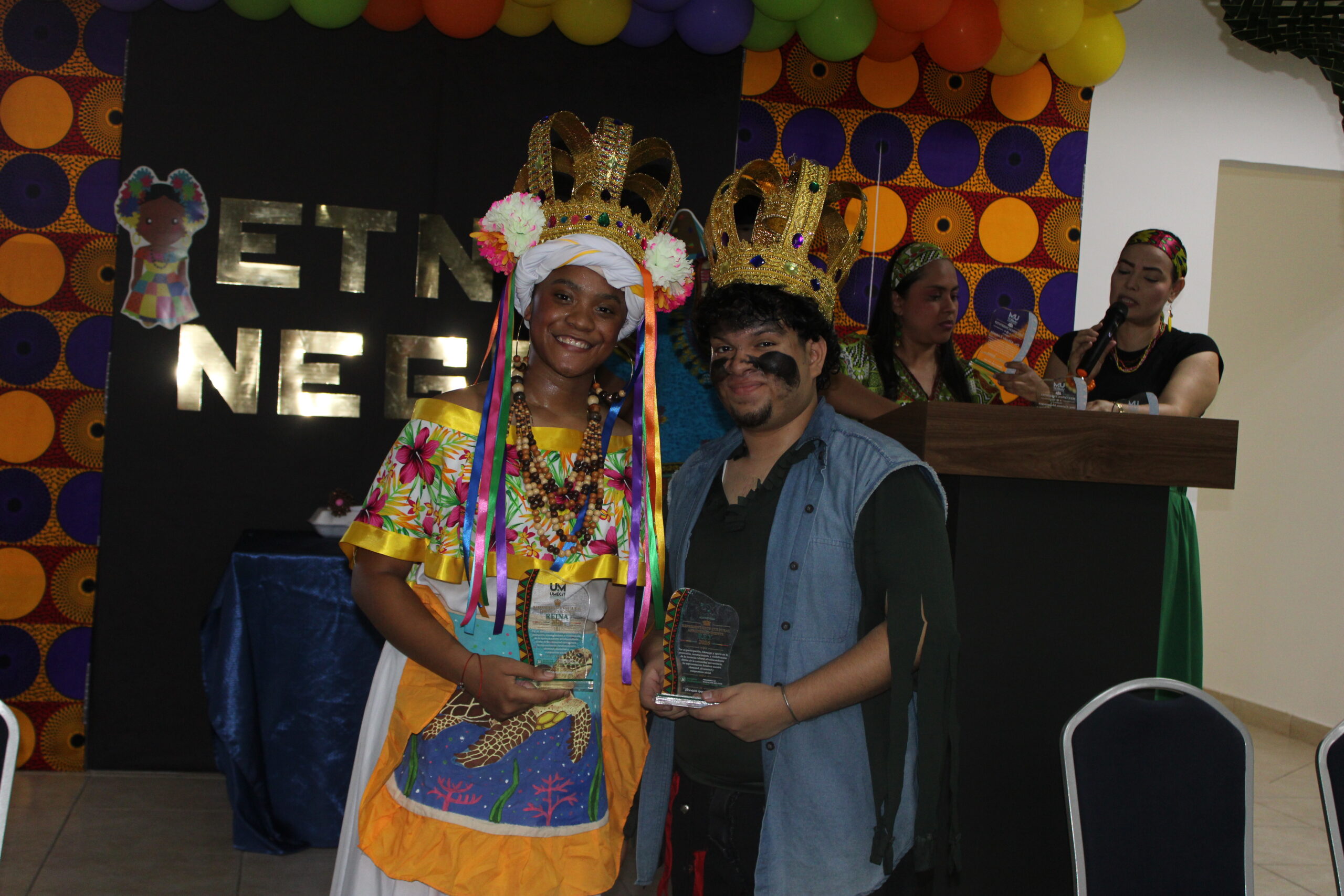
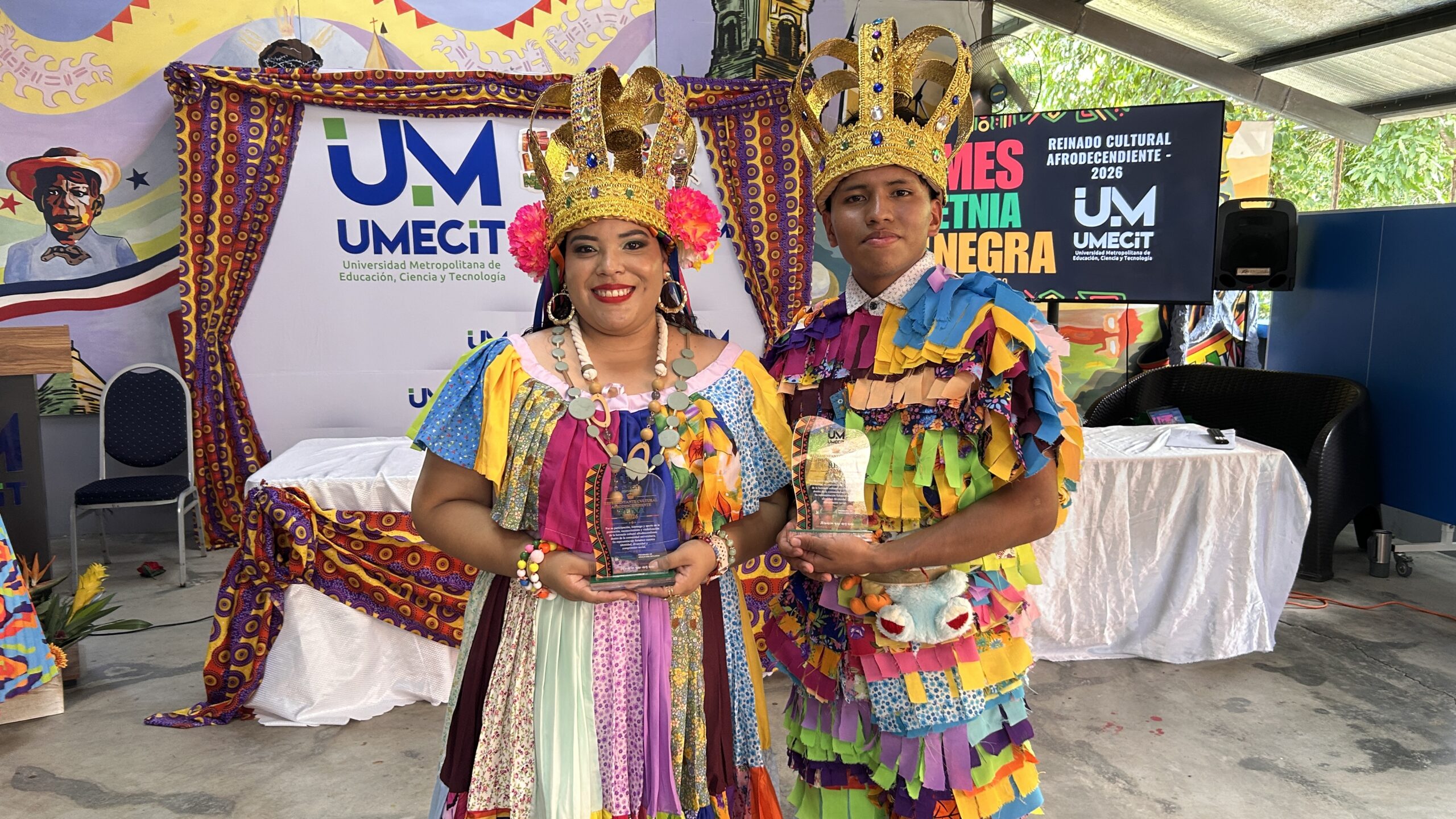
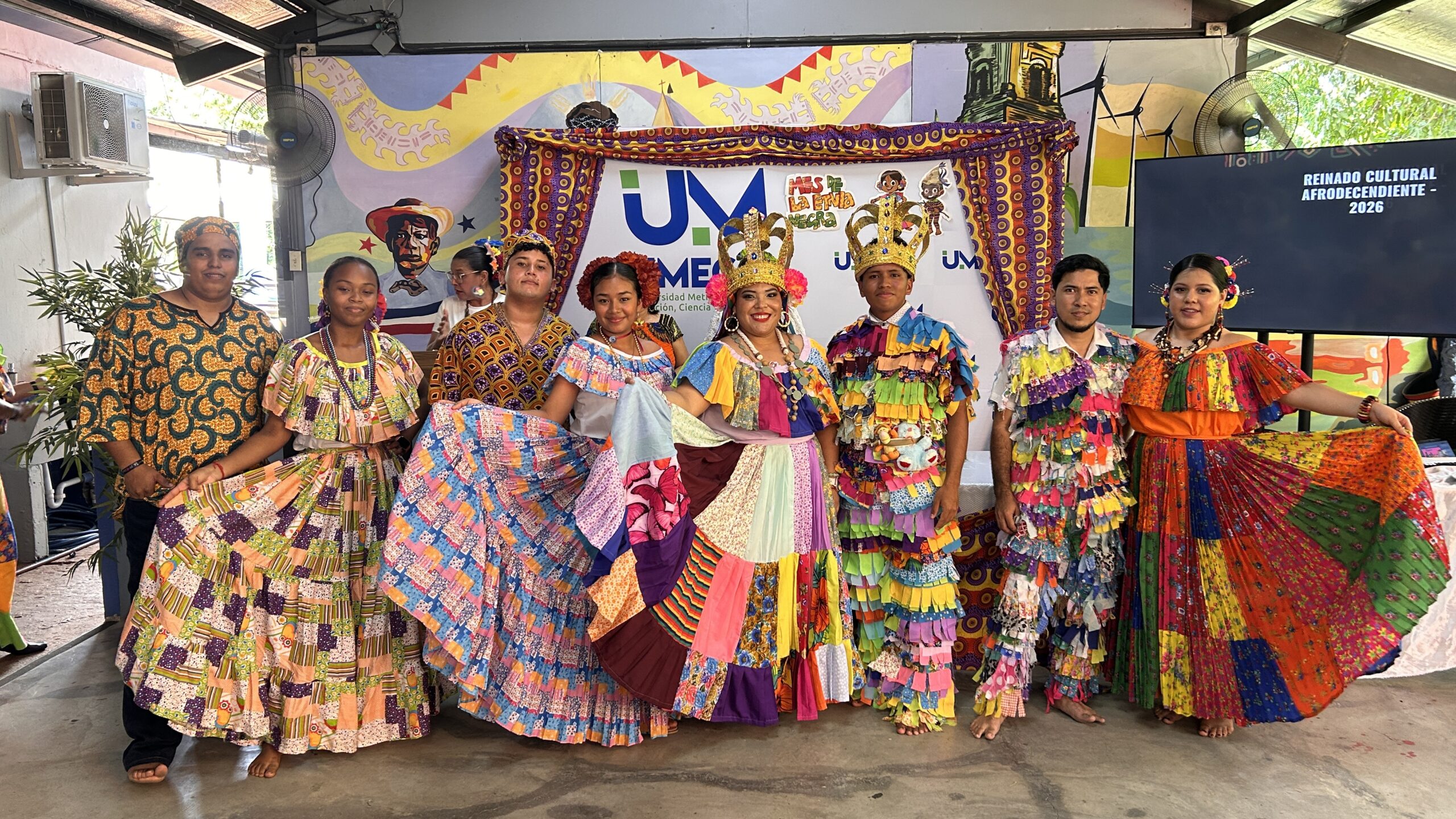
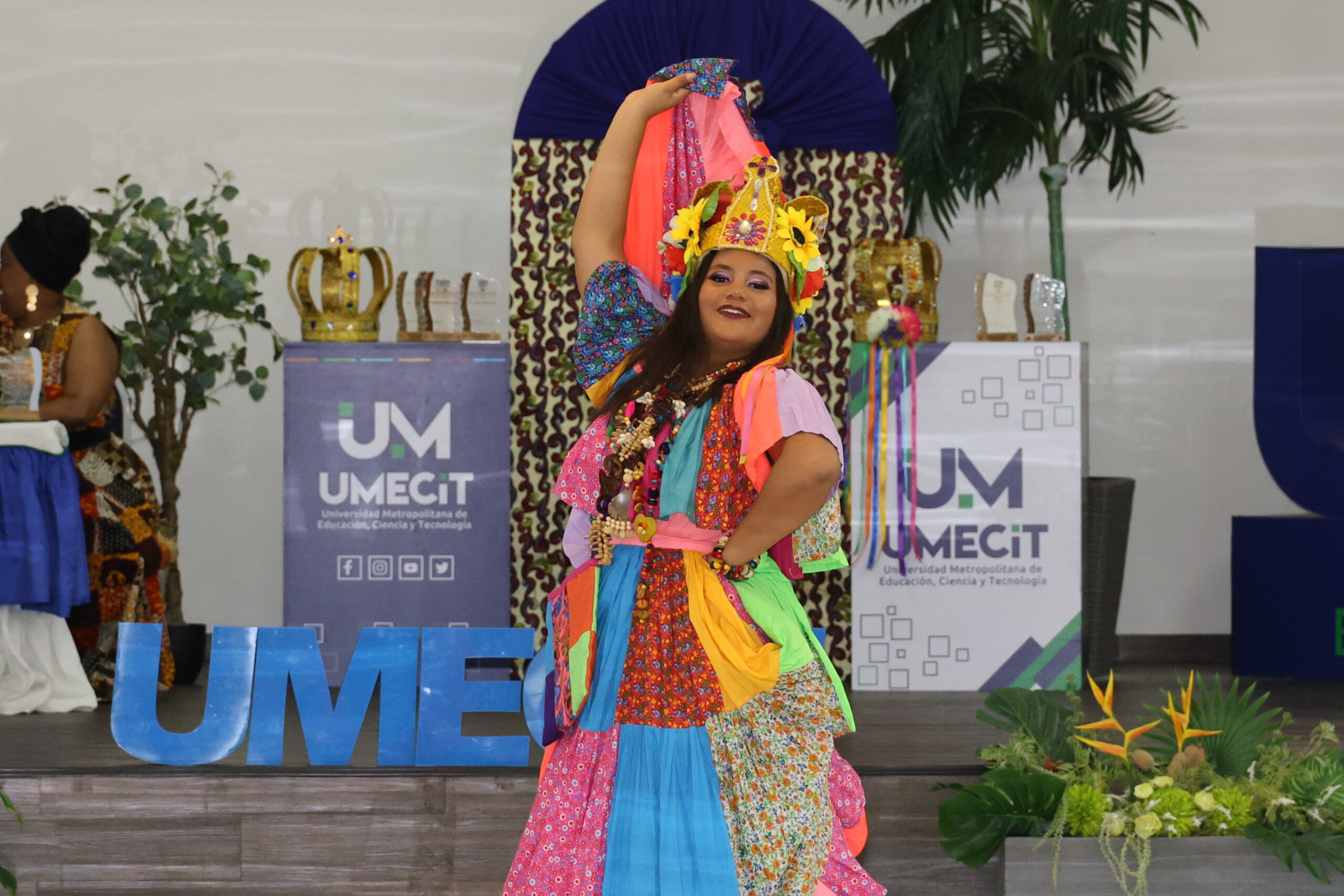
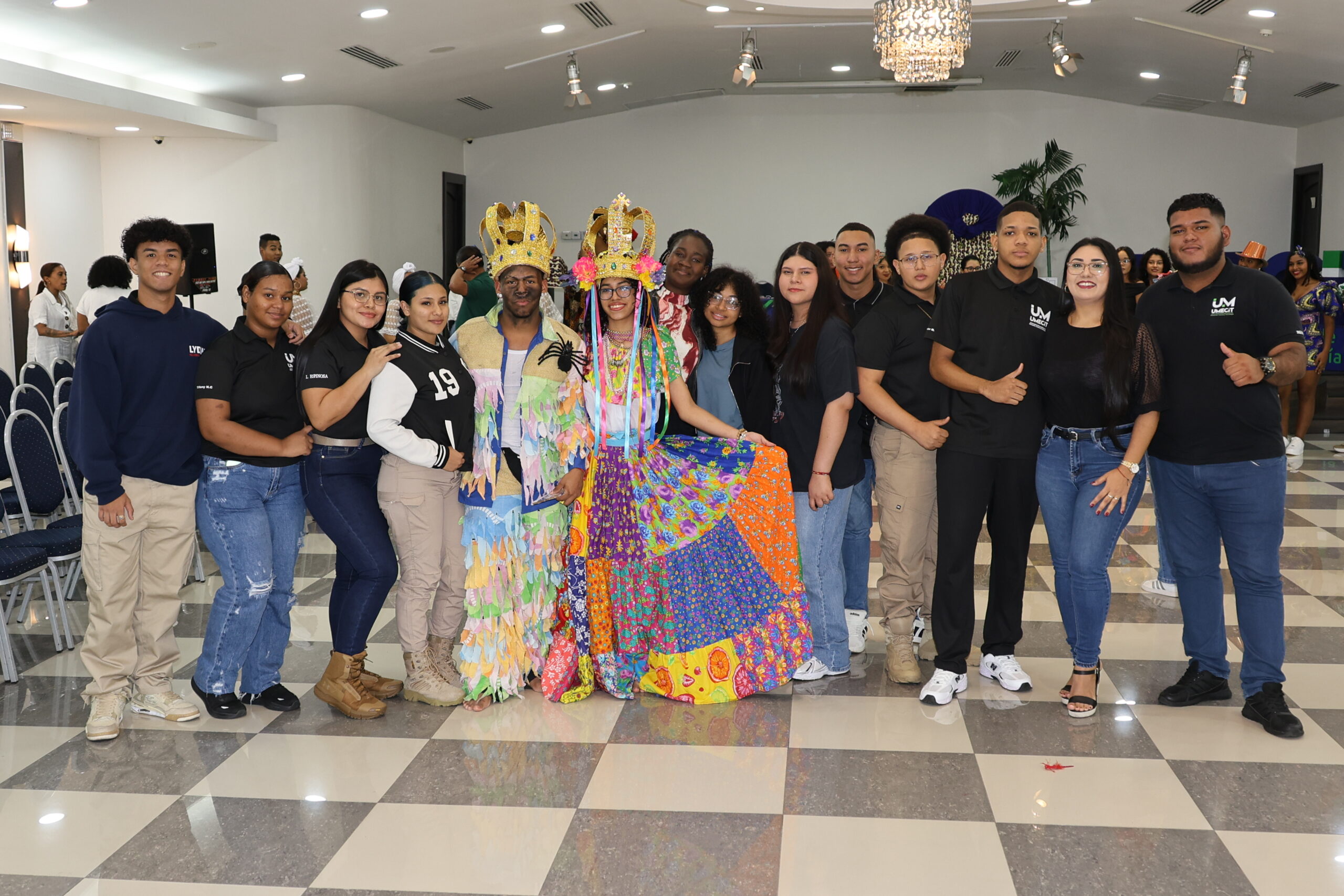
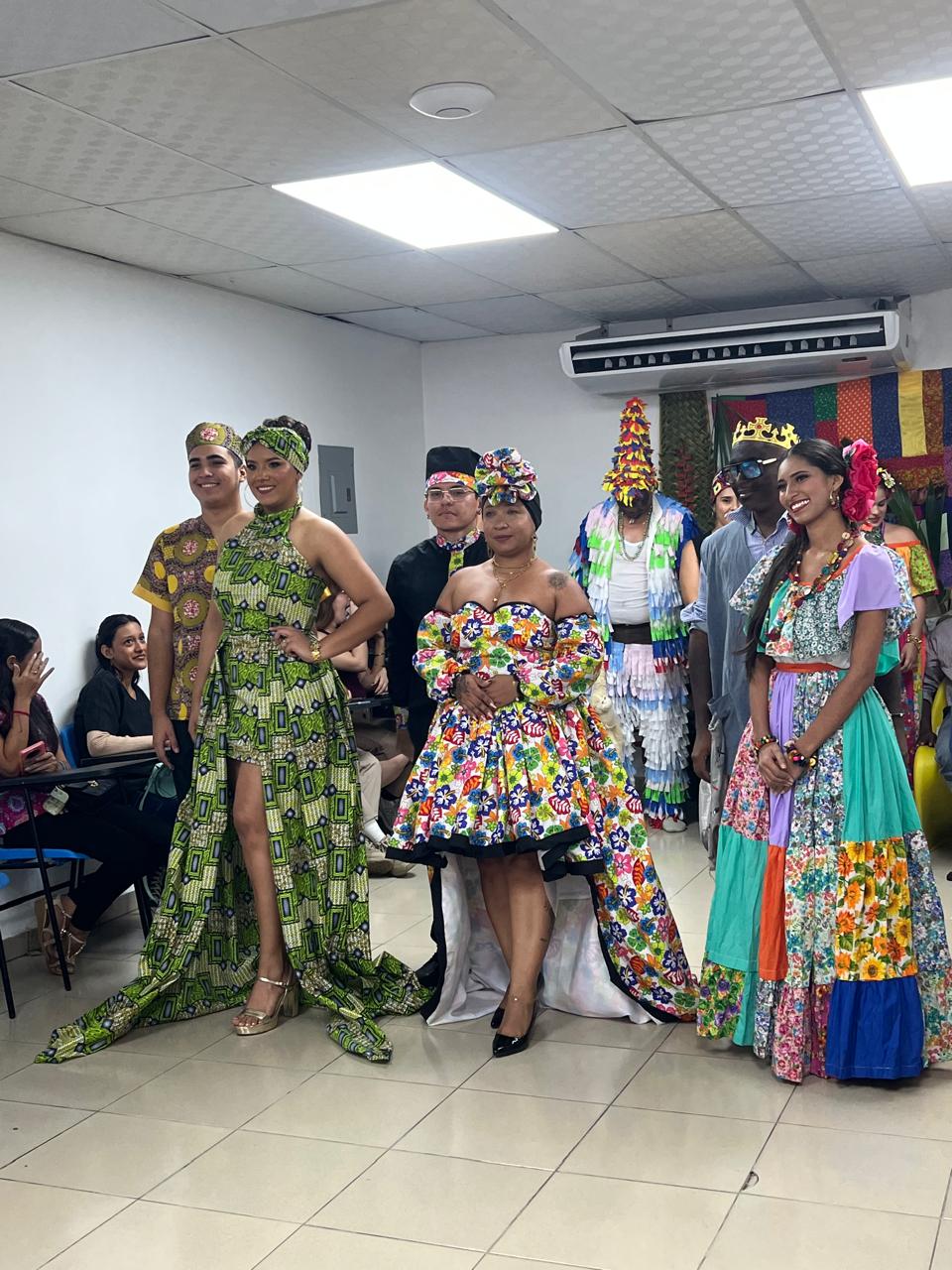
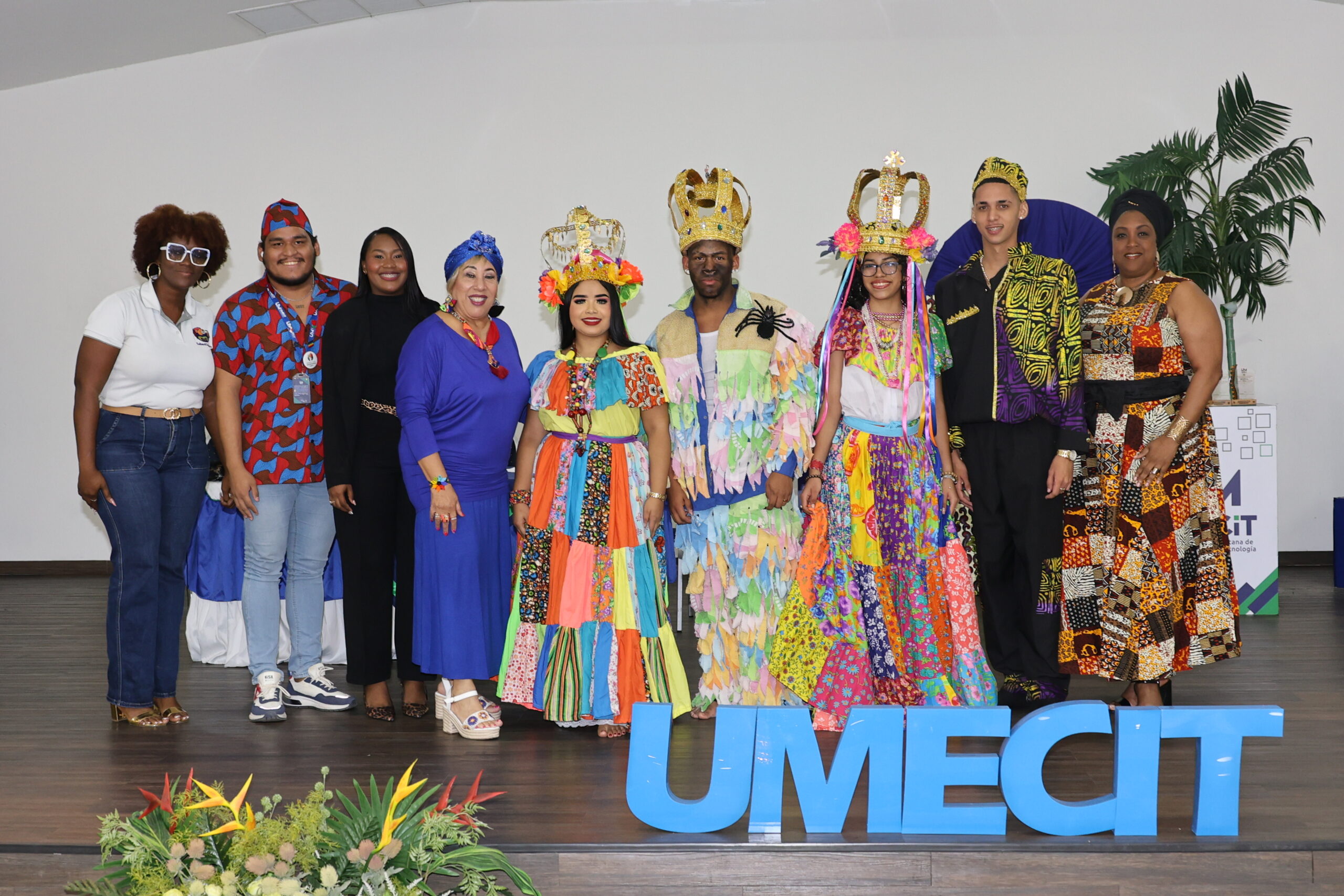
The closing ceremony also included the national election of the UMECIT Afro King and Queen 2026, as well as the selection of cultural representatives from the various university campuses. The selected students will serve as UMECIT Cultural Ambassadors for the next year, promoting awareness, inclusion, and recognition of cultural diversity both within and beyond the university community.
UMECIT extends its sincere gratitude to faculty, staff, students, judges, special guests, cultural managers, and partner organizations who made the success of this important institutional program possible. Special recognition is given to the invaluable support of Ligia Grenald, a promoter of initiatives related to Afro-Panamanian culture and identity; the Yo Soy Panamá Folkloric Academy; the Jesús de Praga Bilingual School; the Brisas de la Montaña Folkloric Ensemble; the Tradiciones Remonistas Ensemble of the José Antonio Remón Cantera School; and the UMECIT folkloric groups from Panama City, the Megamall Building, and La Chorrera, who enriched the program with their knowledge, artistic expressions, and commitment to preserving historical memory.
Likewise, the University recognizes the valuable collaboration of student Sharith Escalante, from the Audiovisual Production program with emphasis on Radio and Television, for her support in recording and documenting the activities carried out, contributing to preserving the institutional memory of this significant celebration.
The program was led by the Inclusive Education Program of University Welfare, thanks to the coordinated work between the Library, the Academic Directorate, the Career Coordinators, the Directorate of Extension and Social Linkage, teachers, administrative staff and the different university campuses in the country.