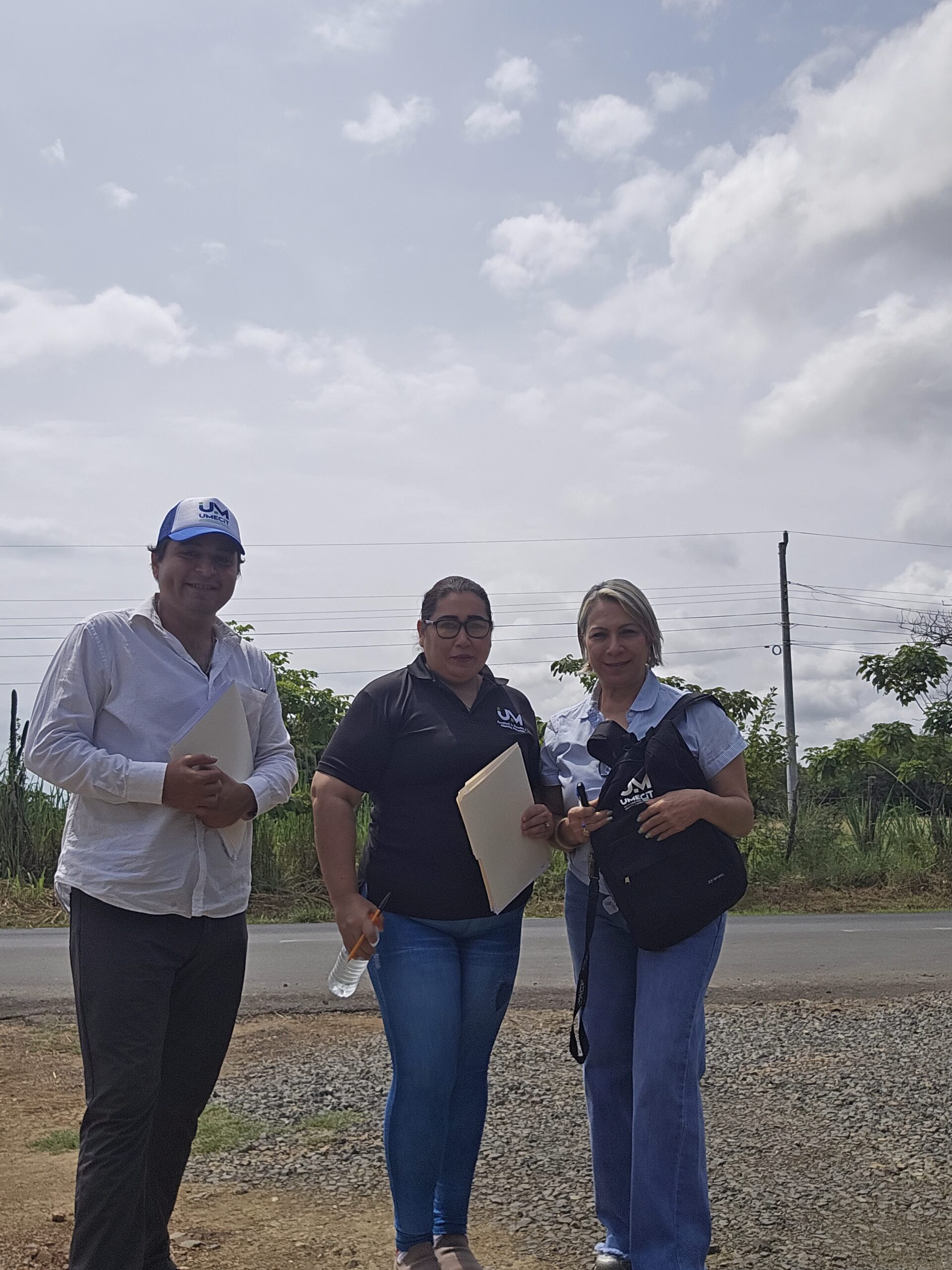
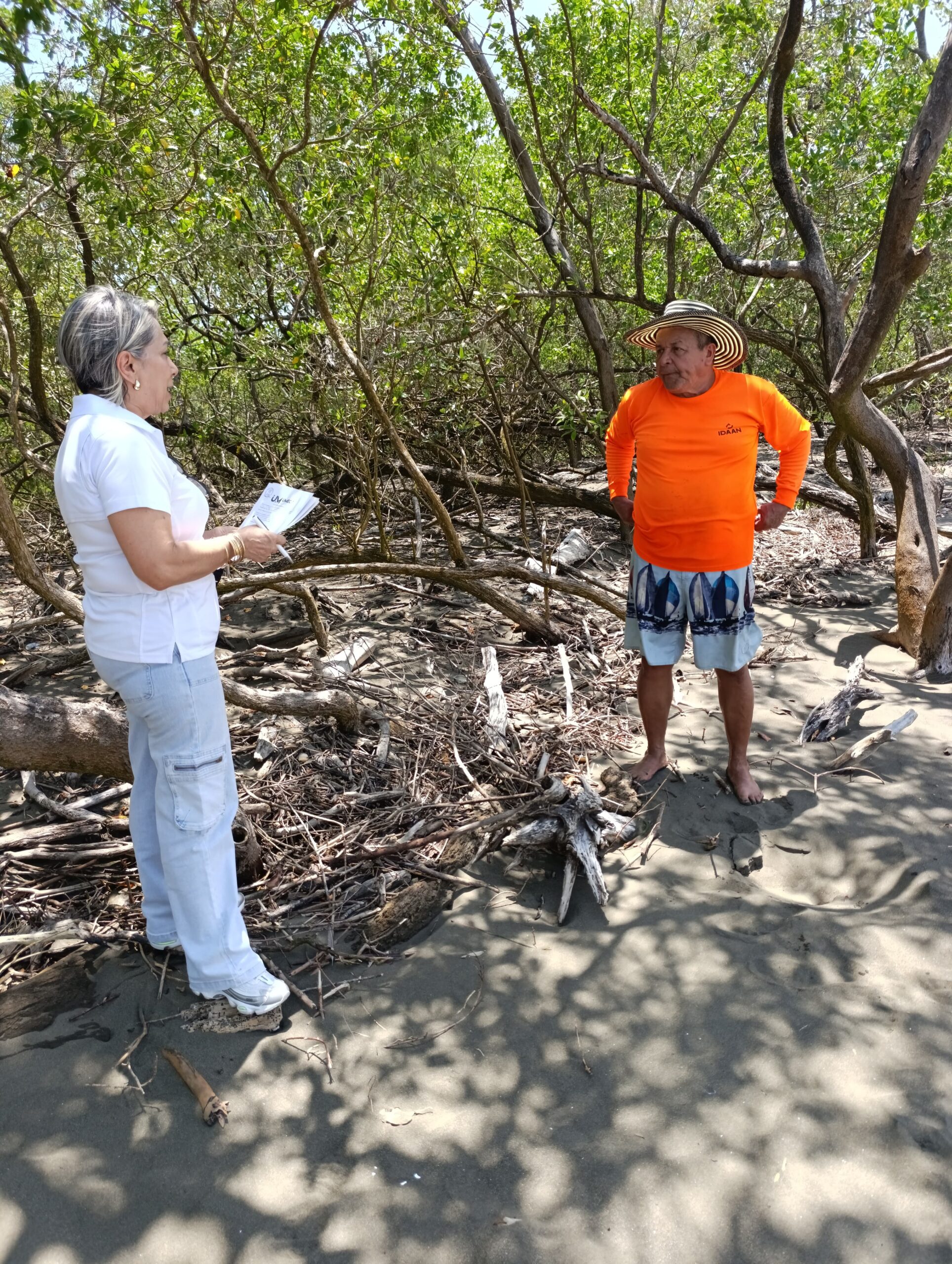
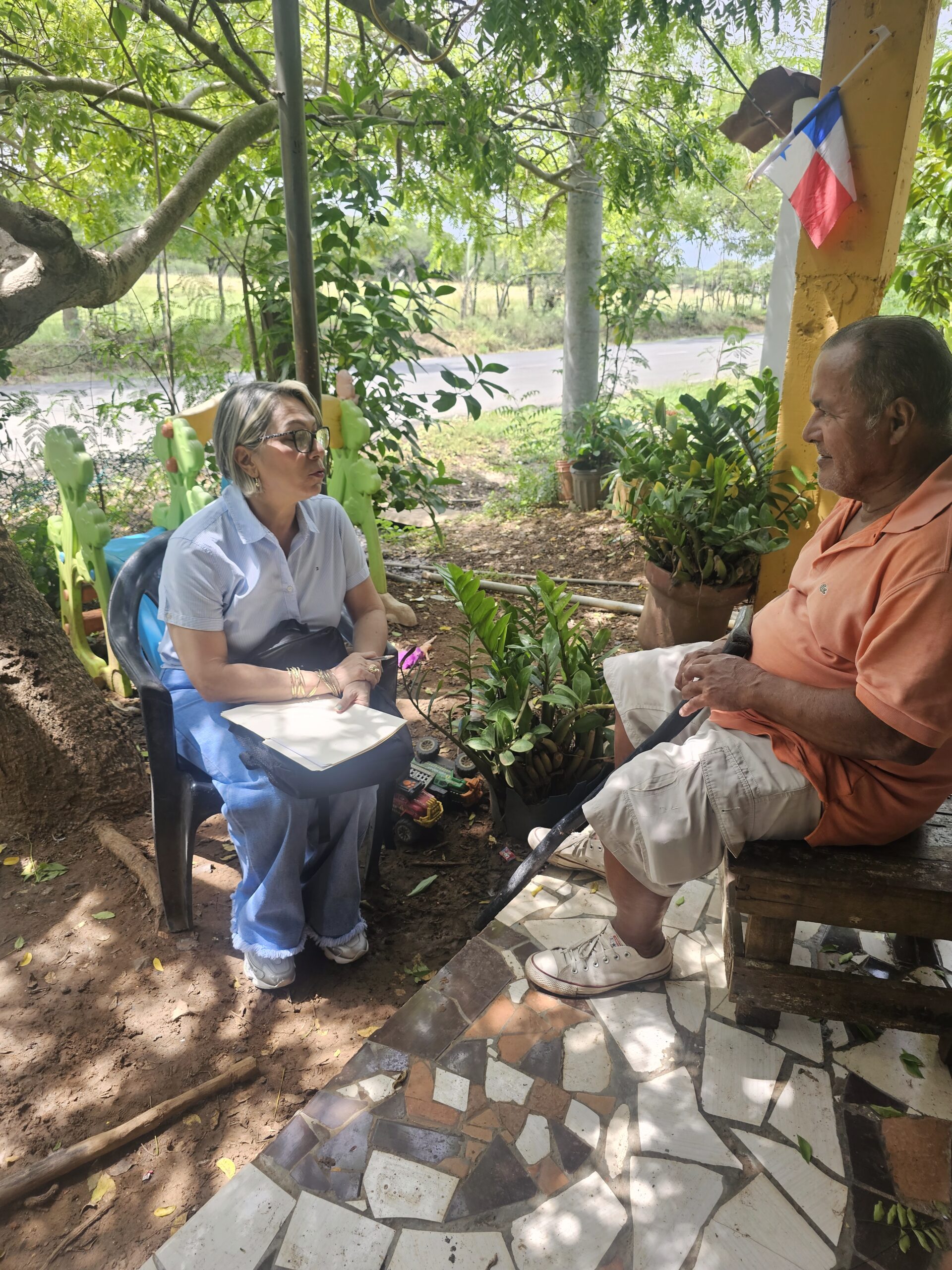
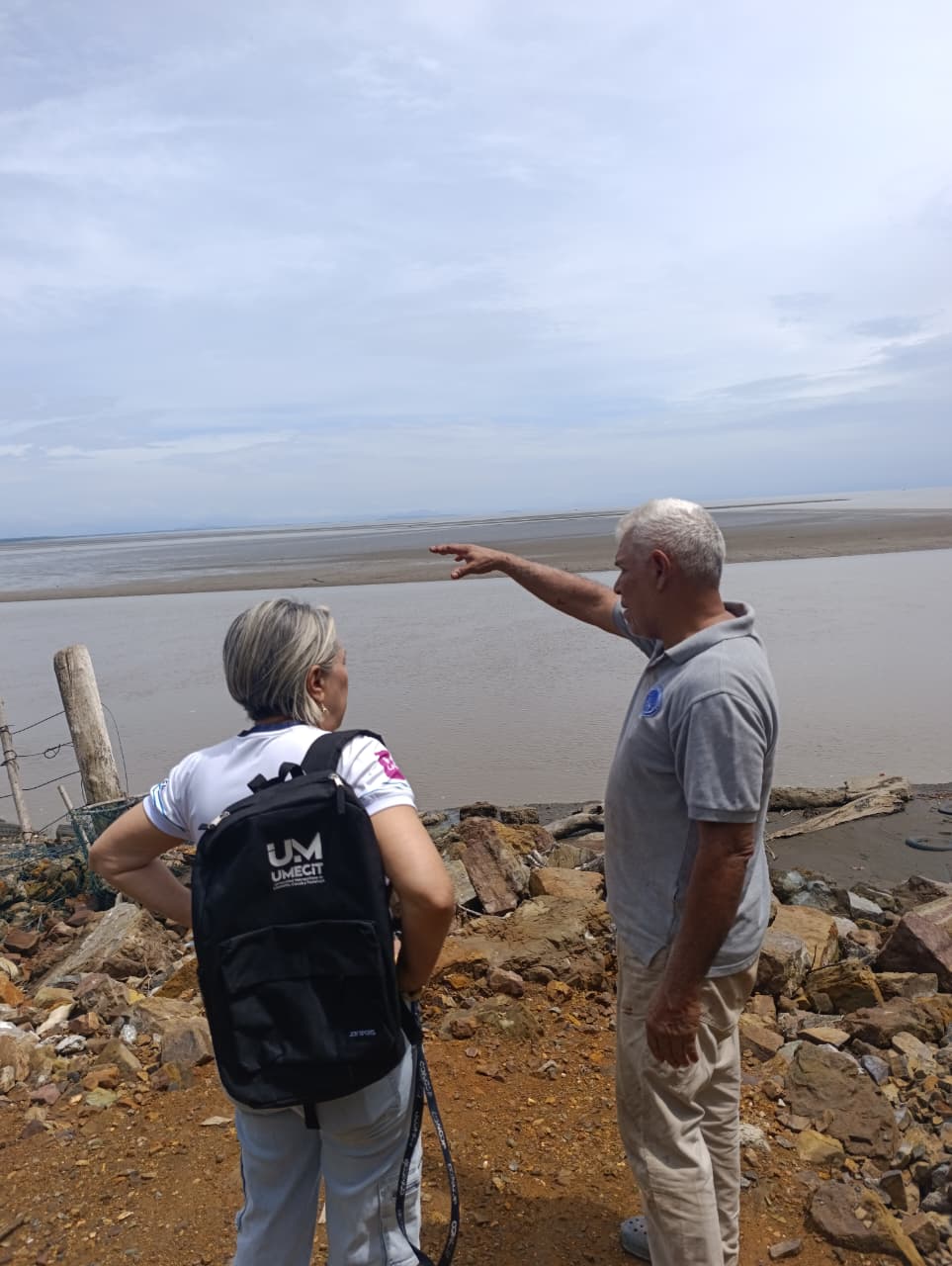
With the firm purpose of contributing to the protection of local ecosystems and promoting conservation actions based on scientific evidence, UMECIT Chitré Headquarters formally initiated the field phase of the research entitled “Impact of the socio-environmental activities of the communities of El Retén and El Agallito on the conservation of the migratory bird route”.
The collection of data and application of scientific instruments officially began on Tuesday, September 8, 2026, in the El Retén area, with the participation of the research team.
The study aims to analyze how the daily, economic and socio-environmental activities of the inhabitants of these communities can influence the conservation of habitats that serve as a refuge and passage zone for thousands of migratory birds that visit the region each year.
El Retén and El Agallito are part of areas of special importance within the biological corridor of the Bay of Parita, so understanding the relationship between community dynamics and the conservation of these spaces is fundamental to promoting biodiversity protection strategies.
Through surveys, interviews, and field observations, the research team will gather information that will generate knowledge about the socio-environmental reality of these communities and contribute community conservation proposals based on scientific evidence.
The research seeks to contribute to a sustainable balance between local development, the well-being of communities and the protection of biodiversity, recognizing the fundamental role of residents and local actors in the conservation of ecosystems.
UMECIT is calling on residents, community leaders, and local groups in El Retén to collaborate during the research team's visits. Active community participation is essential for the successful development of this project and for generating results that will benefit both the natural environment and the quality of life of the local population.
UMECIT Chitré Campus deeply thanks all the people who are already part of this research and who, with their contributions and participation, contribute to the knowledge and conservation of our natural heritage.