
UMECIT promotes a new generation of researchers with the 2nd International Congress of Research Seedbeds
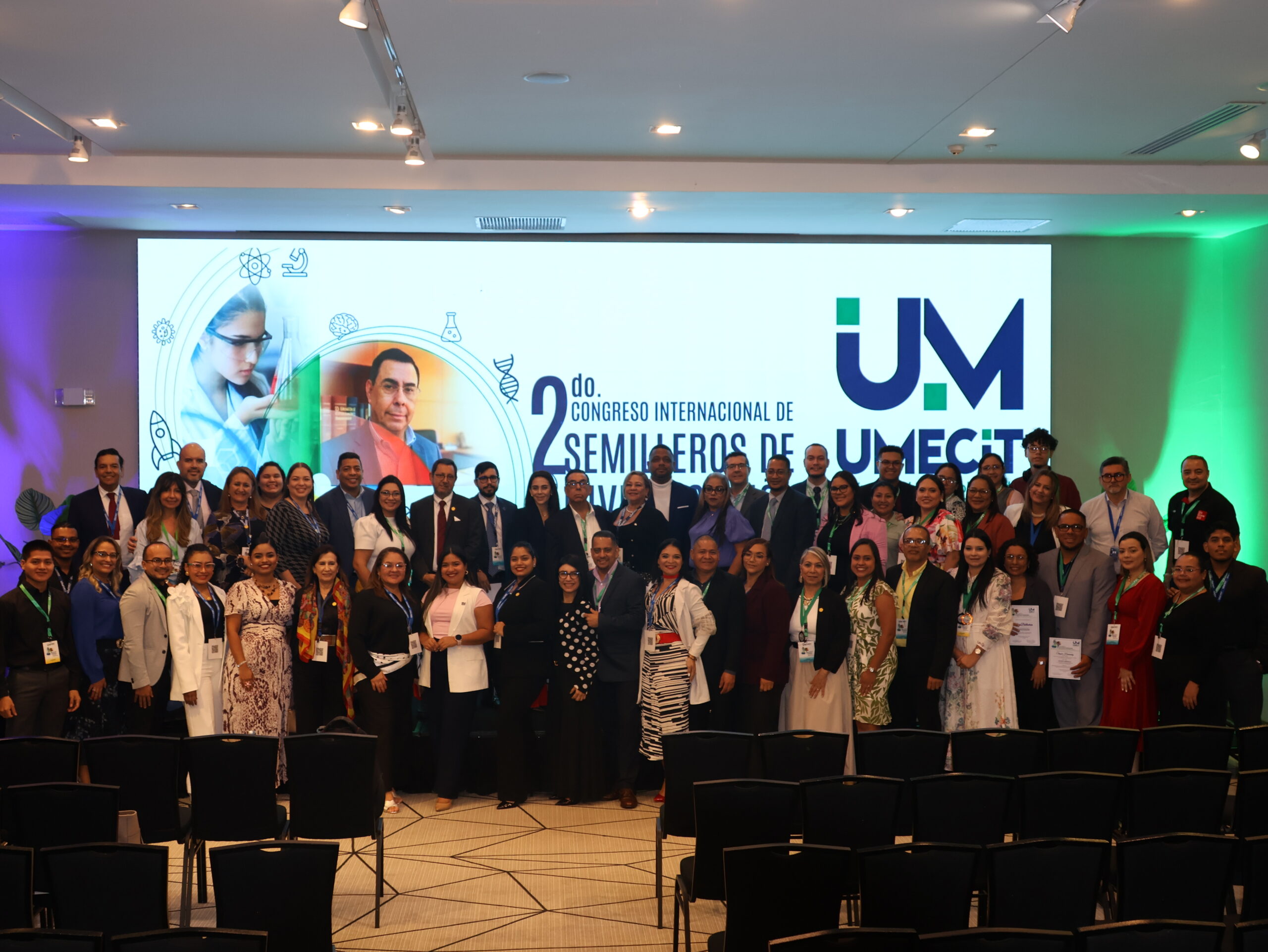
Science that inspires, knowledge that transforms was the motto of a meeting that brought together 510 student researchers, national and international experts and representatives of the scientific and academic sector of Panama.
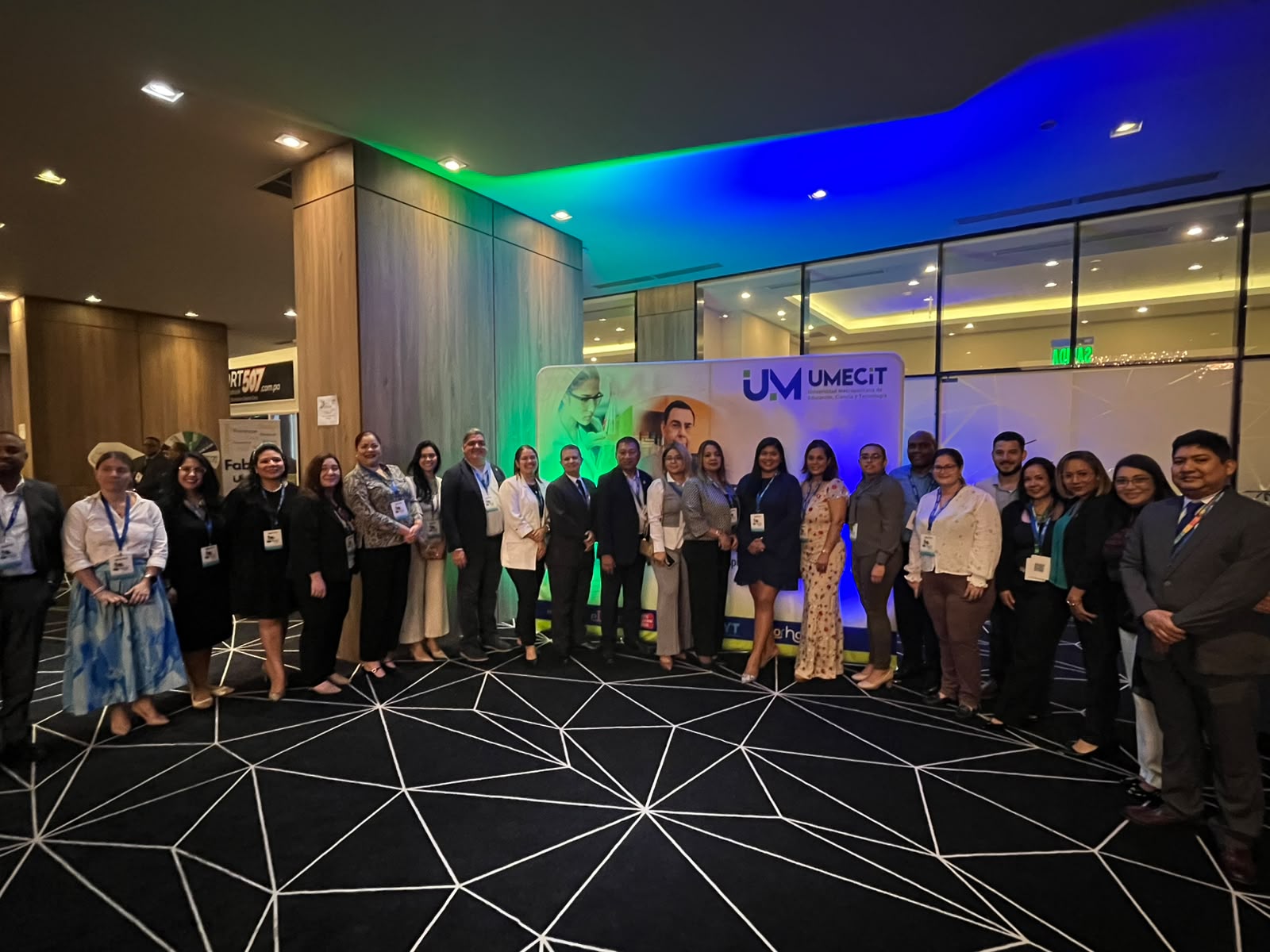
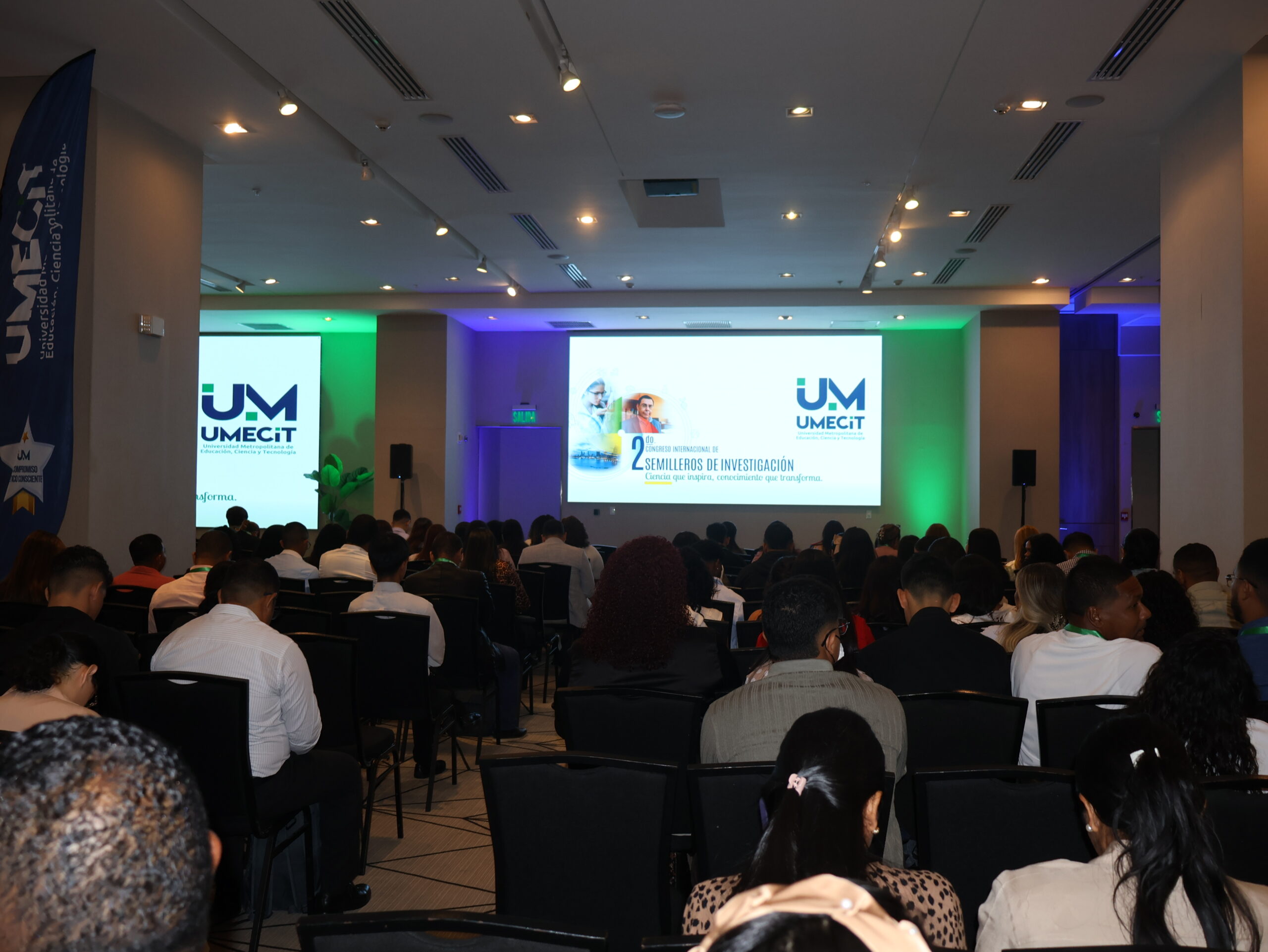
The Metropolitan University of Education, Science and Technology -UMECIT- reaffirmed its commitment to the training of new researchers during the 2nd International Congress of Research Seedbeds, held on September 14 and 15 at the Sortis Hotel, in Panama City.
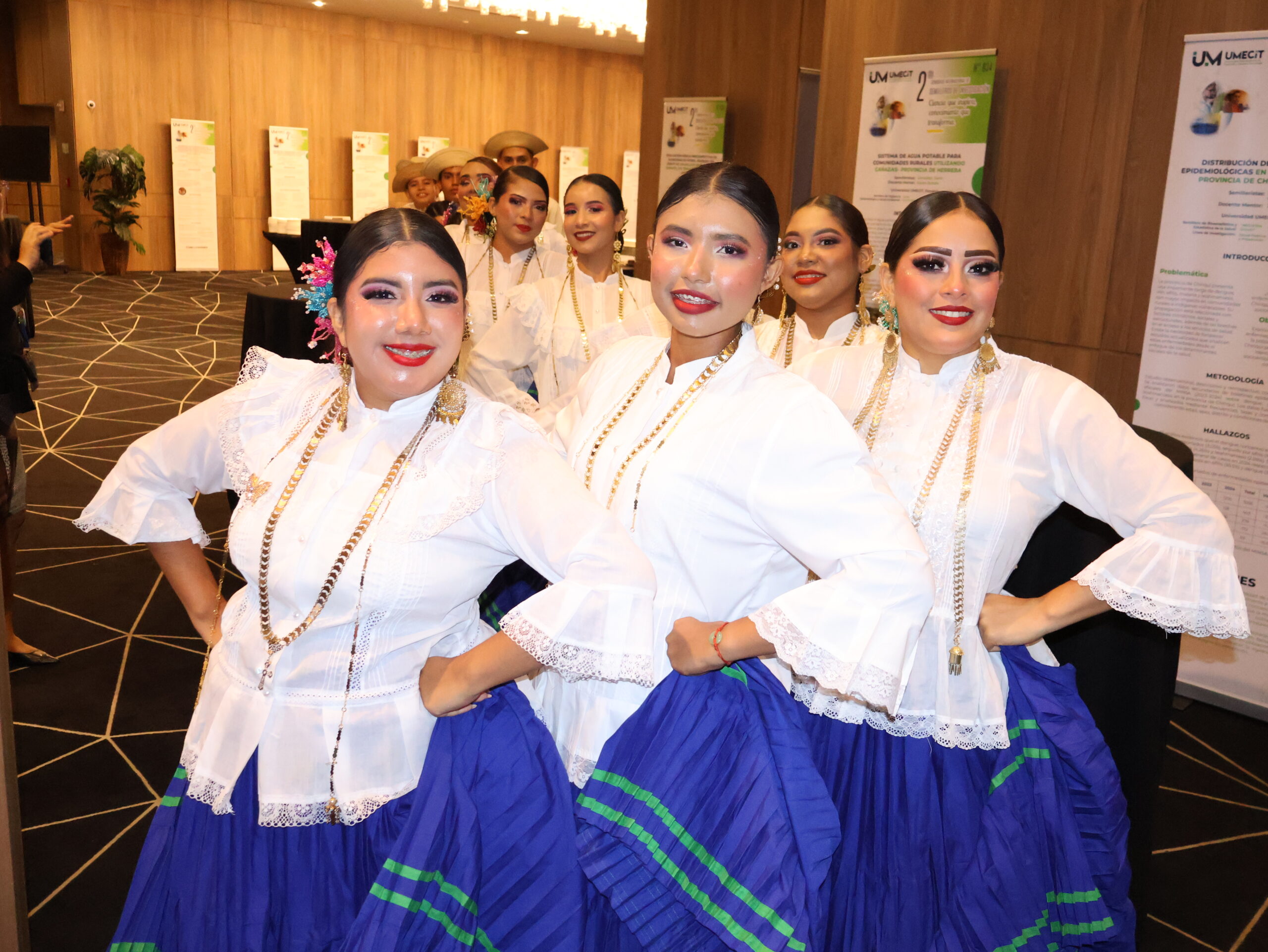
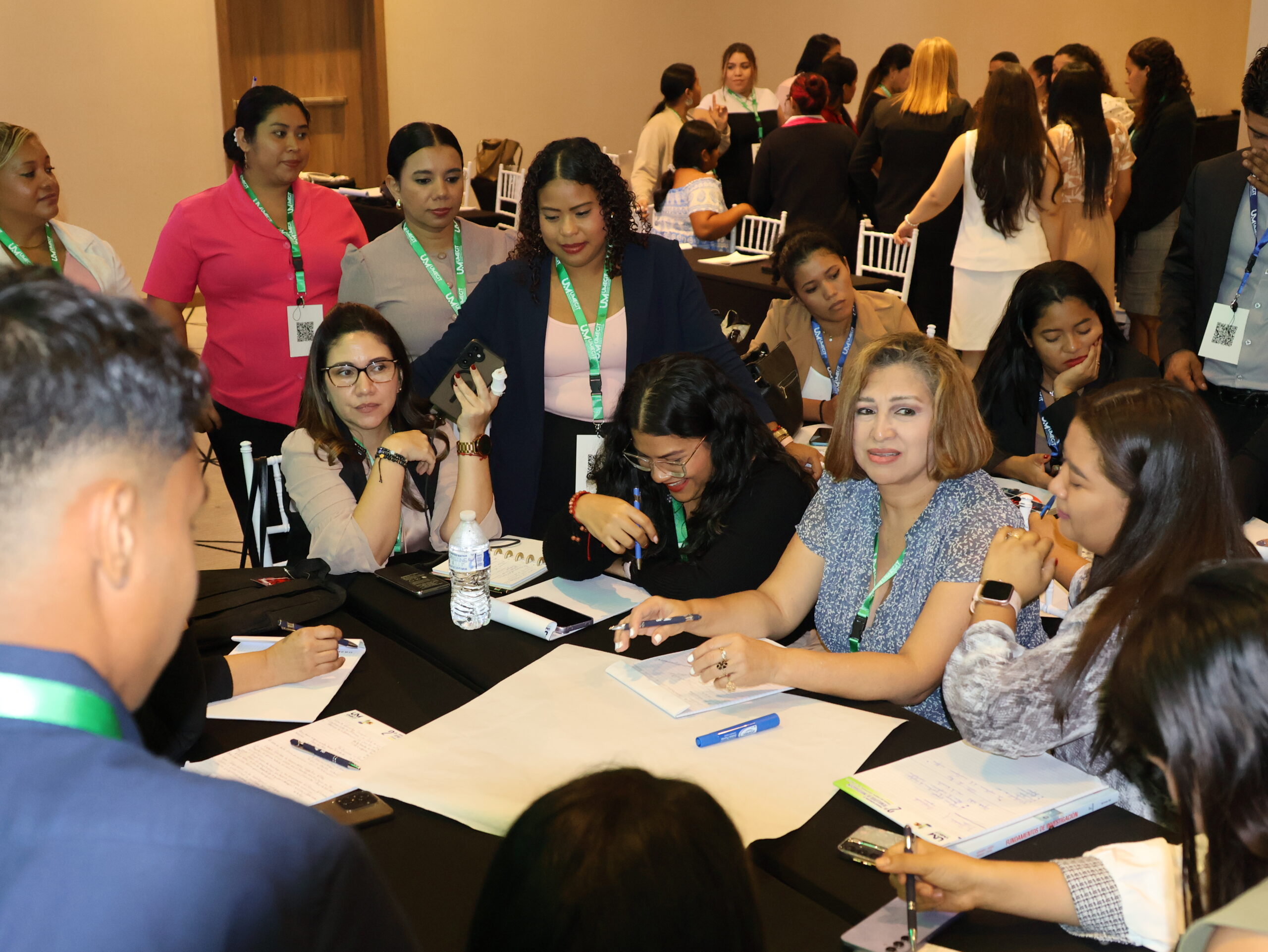
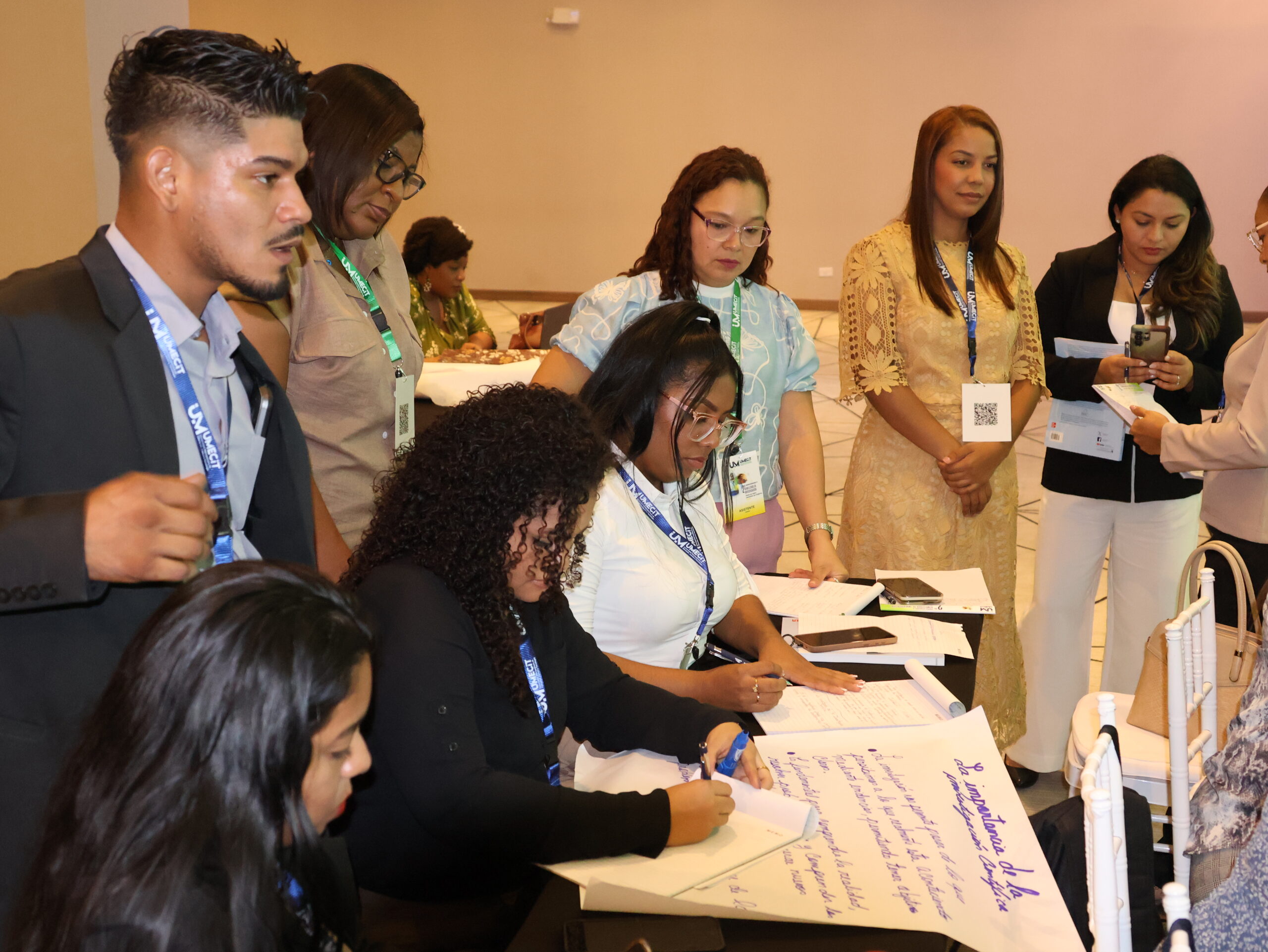
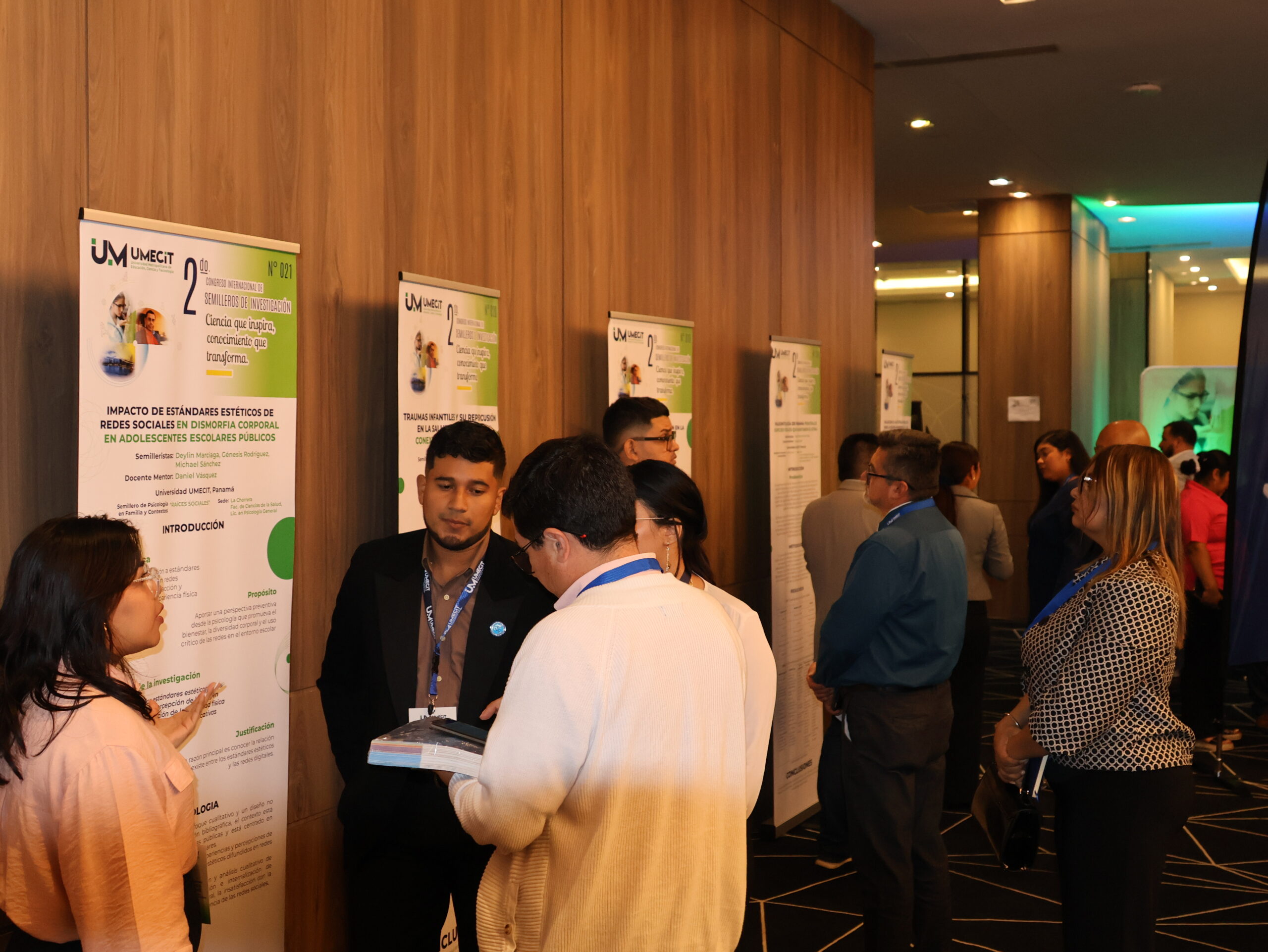
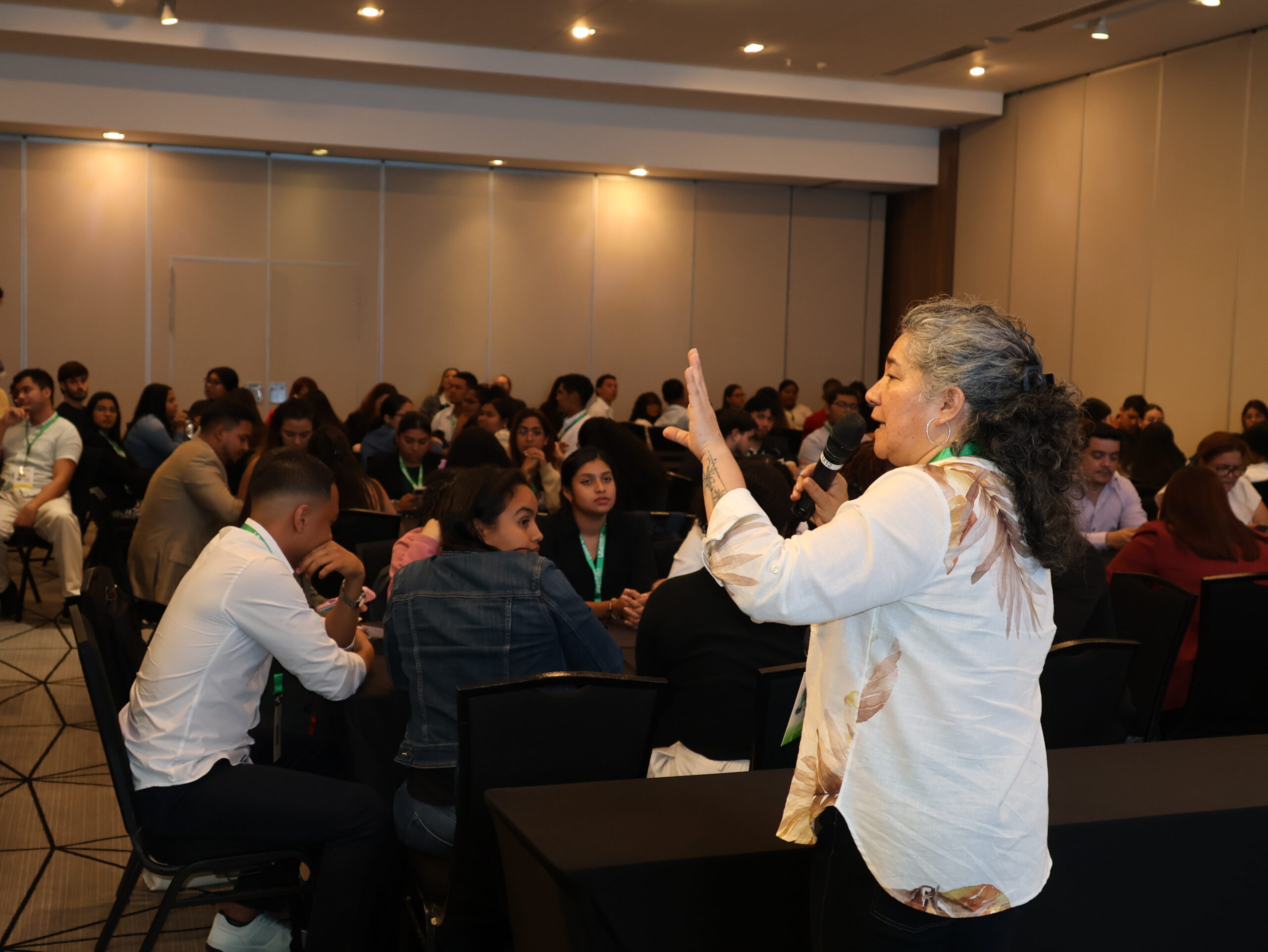
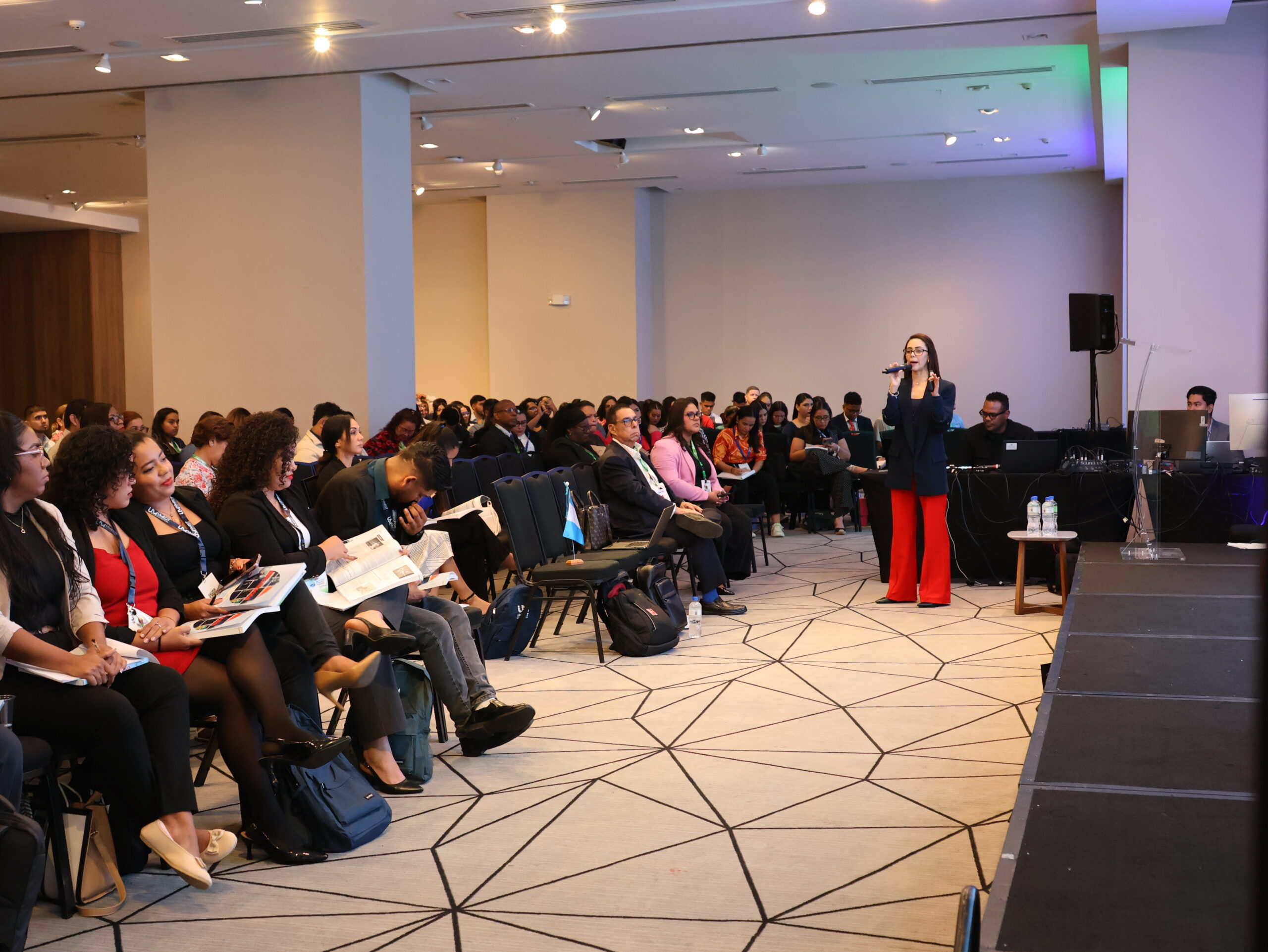
The meeting brought together 510 student researchers, who had the opportunity to share their experiences, present the results of their research and strengthen their scientific skills through 52 presentations in the form of scientific posters, national and international conferences and seven disciplinary workshops.
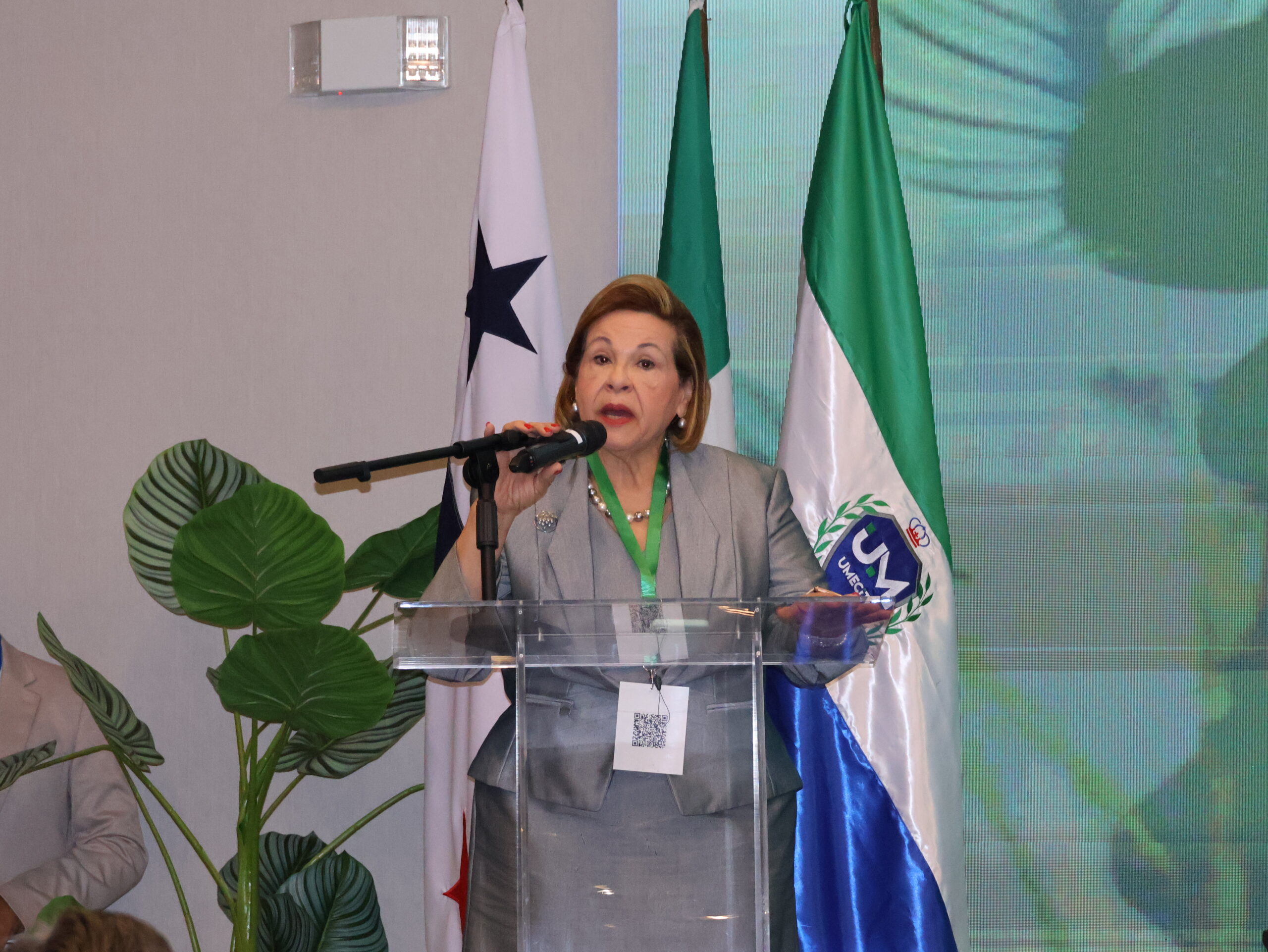
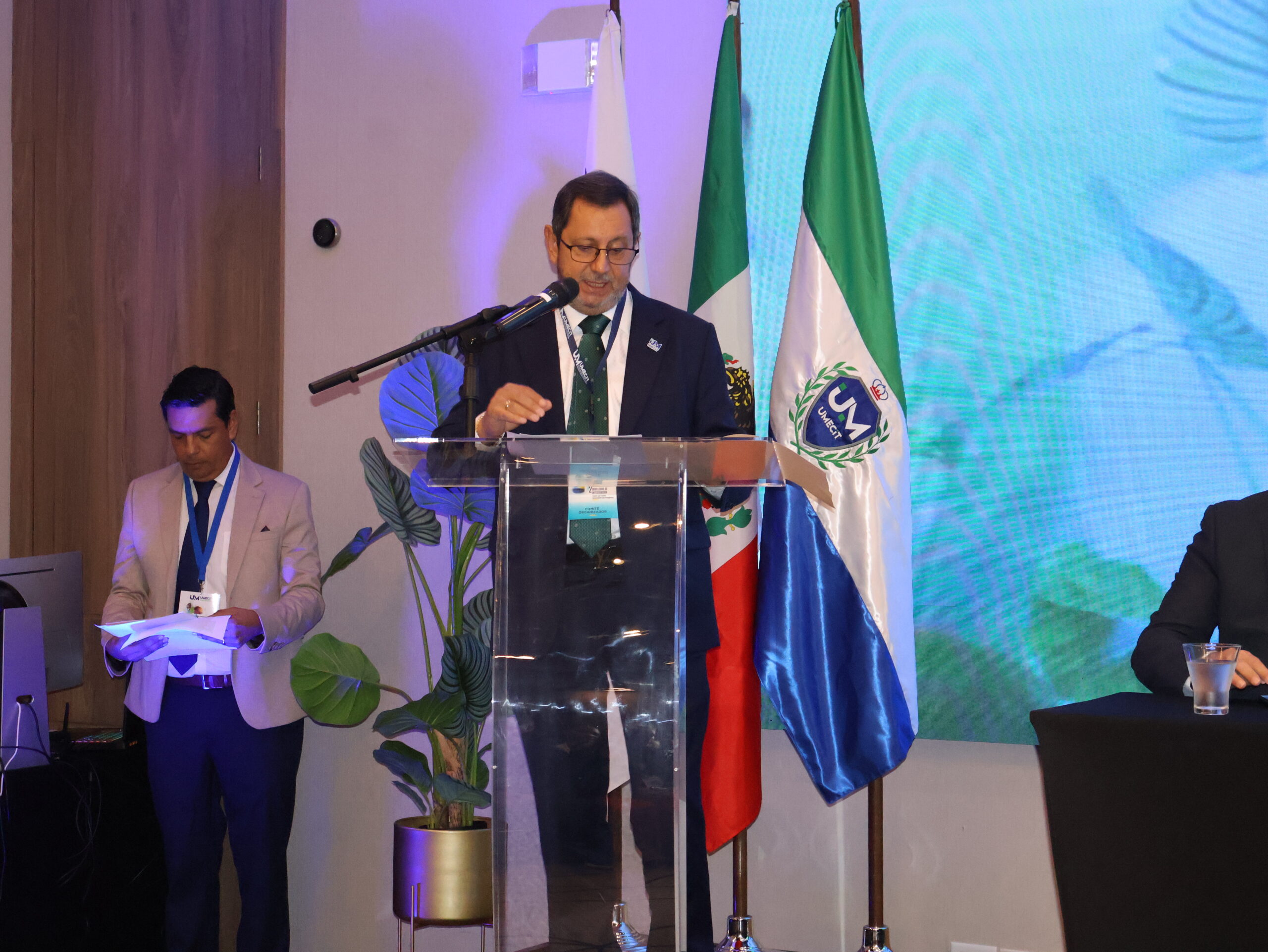
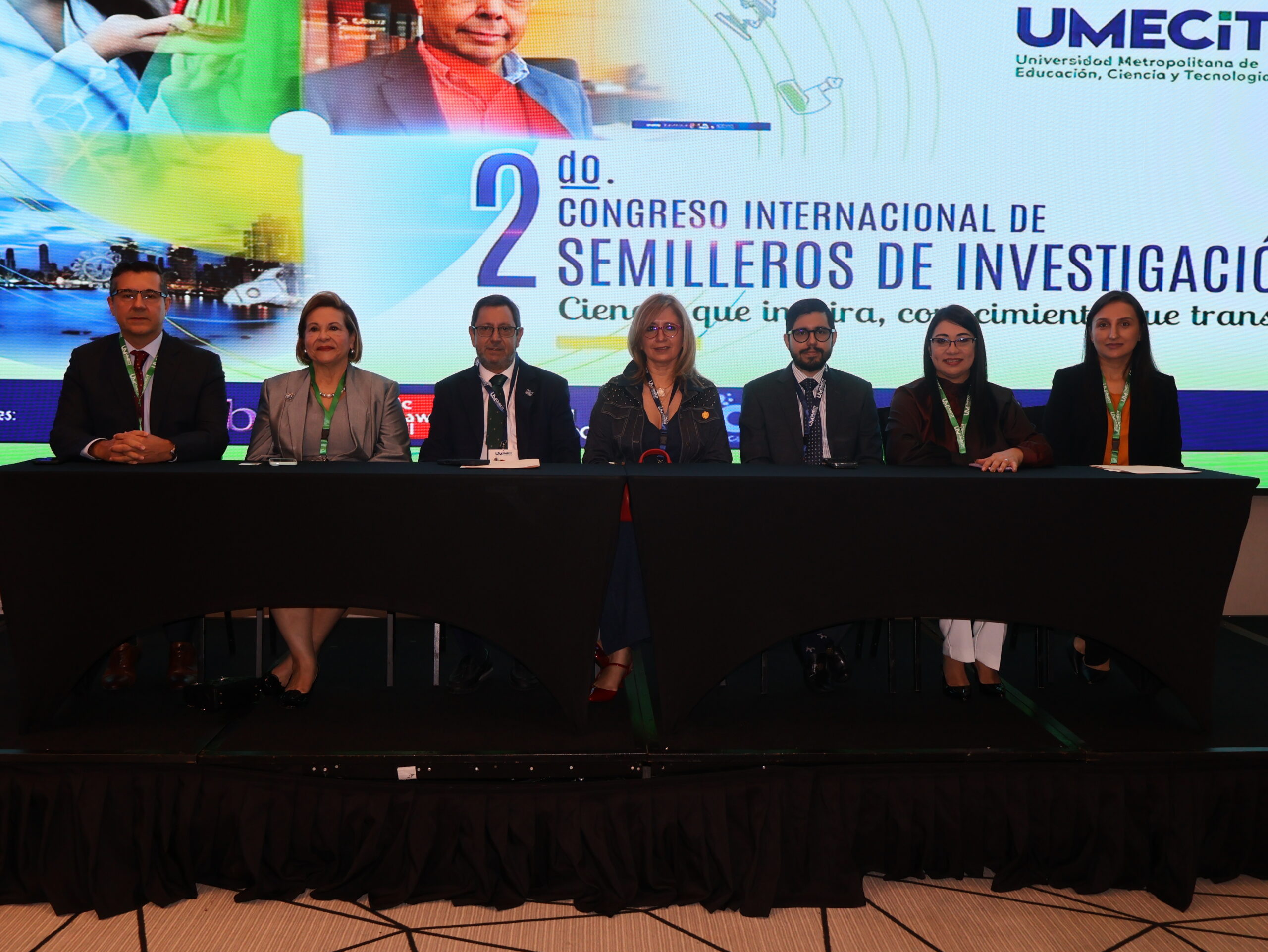
During the opening ceremony, the rector of UMECIT, Dr. José Alberto Nieto Rojas, highlighted that this Congress represents the consolidation of an institutional strategy that the University has been developing since 2023 with a clear purpose: to strengthen the research training of its students and contribute, from higher education, to the development of the scientific capabilities that Panama requires.
The results of this commitment are already visible. Currently, UMECIT has 71 research groups and 493 students linked to these spaces, accompanied by faculty mentors and involved in projects in different areas of knowledge.
“We cannot expect scientific training to begin only at the master's or doctoral levels,” was one of the central messages of the rector, who highlighted the importance of creating opportunities for young people to approach research early on, develop critical thinking, learn to formulate questions, work with evidence, analyze information, and communicate results.
For UMECIT, research groups are not a supplementary activity, but a responsibility of the contemporary university. They are spaces where curiosity can become questions, questions can become projects, and projects can become knowledge capable of providing solutions to society's needs.
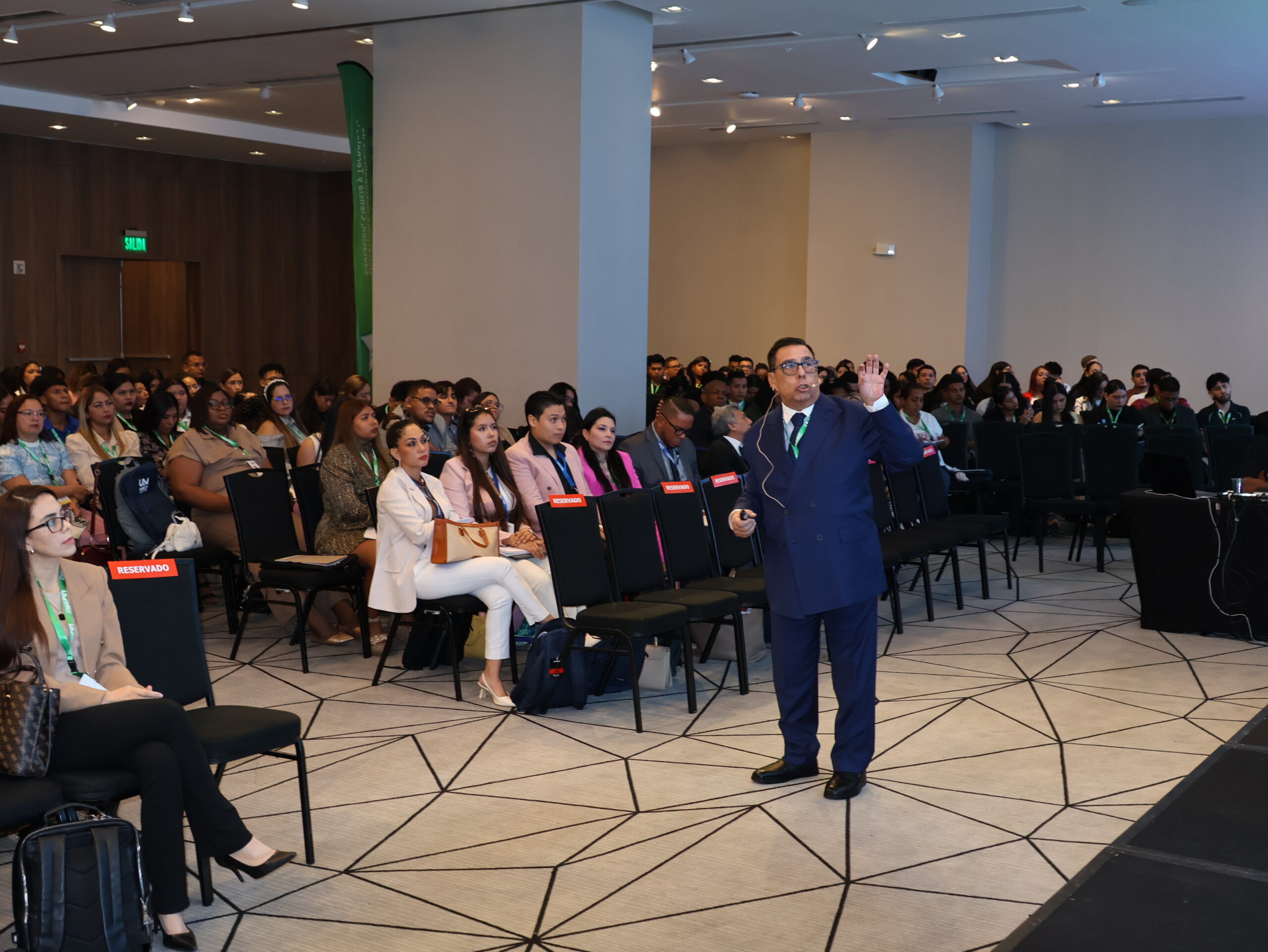
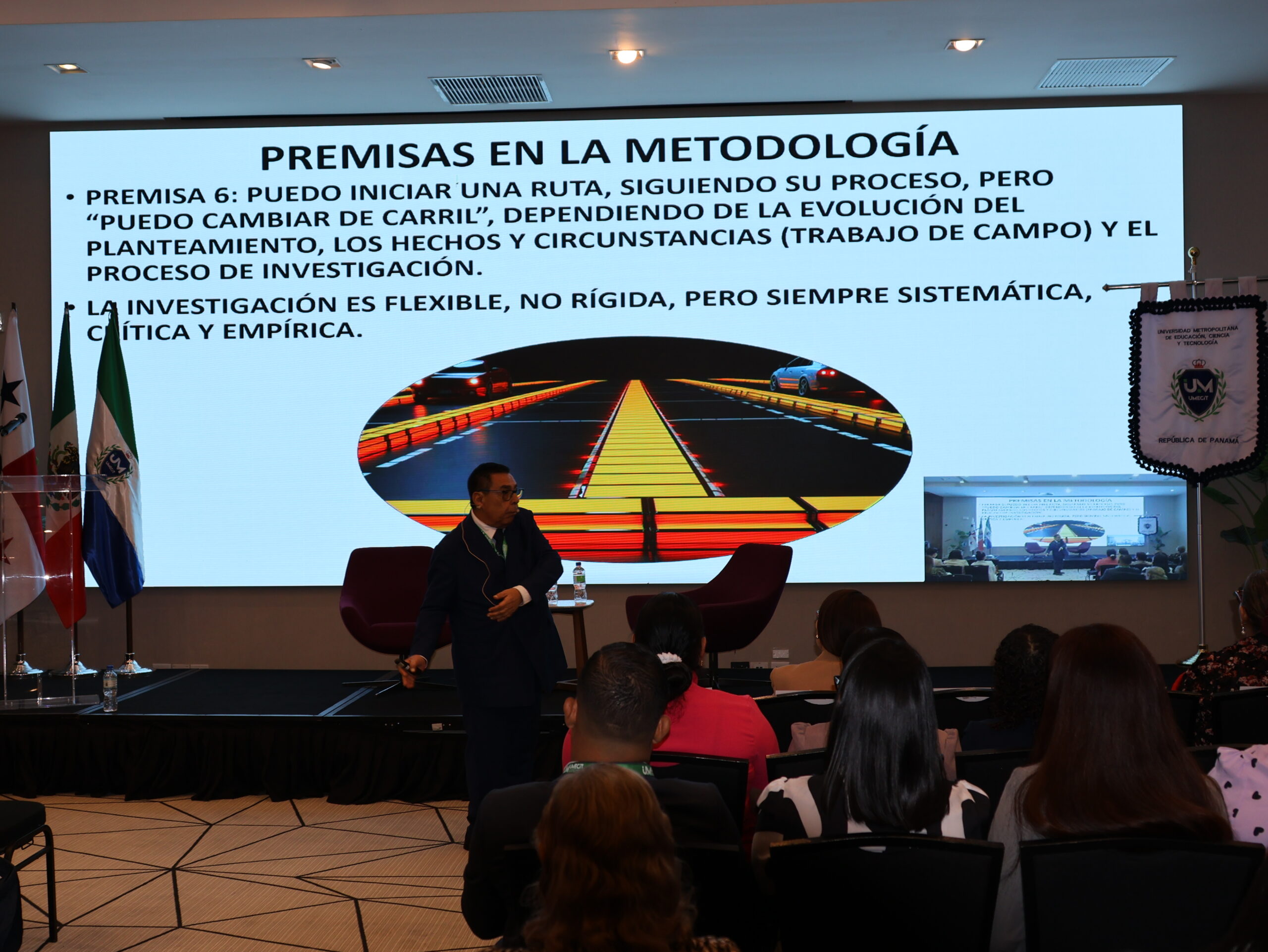
The Congress featured the participation of two prominent Ibero-American figures in research and scientific training: Dr. Roberto Hernández Sampieri, from Mexico, internationally recognized for his contributions to research methodology, and Dr. Christiane Pauline Mendoza, researcher, academic, and co-author of Research Fundamentals. Their presence allowed students to gain access to high-level perspectives and experiences in the field of research.
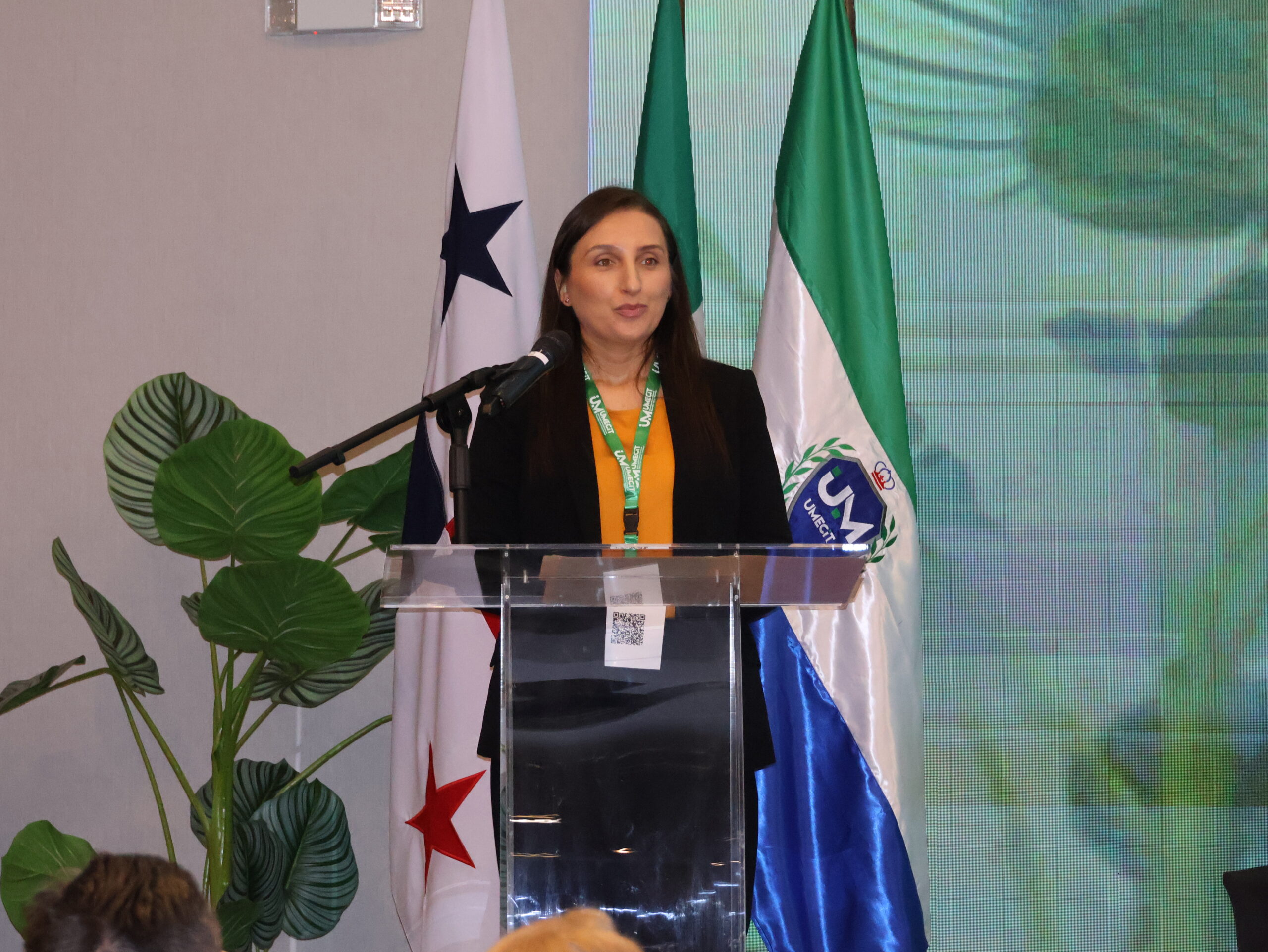
Representing the National Secretariat of Science, Technology and Innovation (SENACYT), Yadira Cano, head of the Department for Strengthening Academic Programs within the Directorate of Scientific and Technological Capacity Development, highlighted the role of research groups as spaces for formulating questions relevant to society and generating solutions to social problems. She also emphasized that research means not only producing knowledge, but also putting it at the service of society.
For her part, Dr. María del Carmen Terrientes de Benavides, Executive Secretary of the National Council for University Evaluation and Accreditation of Panama (CONEAUPA) and president of the Ibero-American Network for Quality Assurance in Higher Education (RIACES), highlighted the value of these academic settings and pointed out that each scientific poster and each workshop represents a step towards an education that not only trains professionals, but also critical thinkers and agents of change.
One of the most significant aspects of the Congress was precisely the active participation of the students, who presented their work to evaluators and had the opportunity to exchange knowledge with other young researchers, teachers and specialists.
Two years after the first International Congress of Research Seedbeds, UMECIT demonstrates the growth of a strategy that increasingly involves more students and faculty. What began as an institutional initiative now extends to national and international scientific arenas, with students presenting results, participating in academic networks, and advancing toward new opportunities for publication and scientific training.
Rector Nieto emphasized that the institutional challenge is not only to increase the number of research groups, but to strengthen their quality, expand their impact, and consolidate genuine research training pathways.
The closing remarks of the Congress were delivered by Dr. Magdy De Las Salas, Director of Research and Innovation at UMECIT, who thanked the students, faculty, researchers, speakers, evaluators, and partners who made this event possible. In her address, she emphasized that the true purpose of these forums transcends academic sessions and lies in their ability to spark new interests and motivate young people to take their first steps in research.
“Perhaps some of you came to this Congress simply out of curiosity. If, at the end of these two days, you leave with a question, an idea, or a desire to join a research group, then this Congress will also have fulfilled one of its great purposes,” said Dr. De Las Salas, in a message that summarized the spirit of this second edition: to awaken curiosity, turn it into questions, and open paths for those questions to become knowledge.
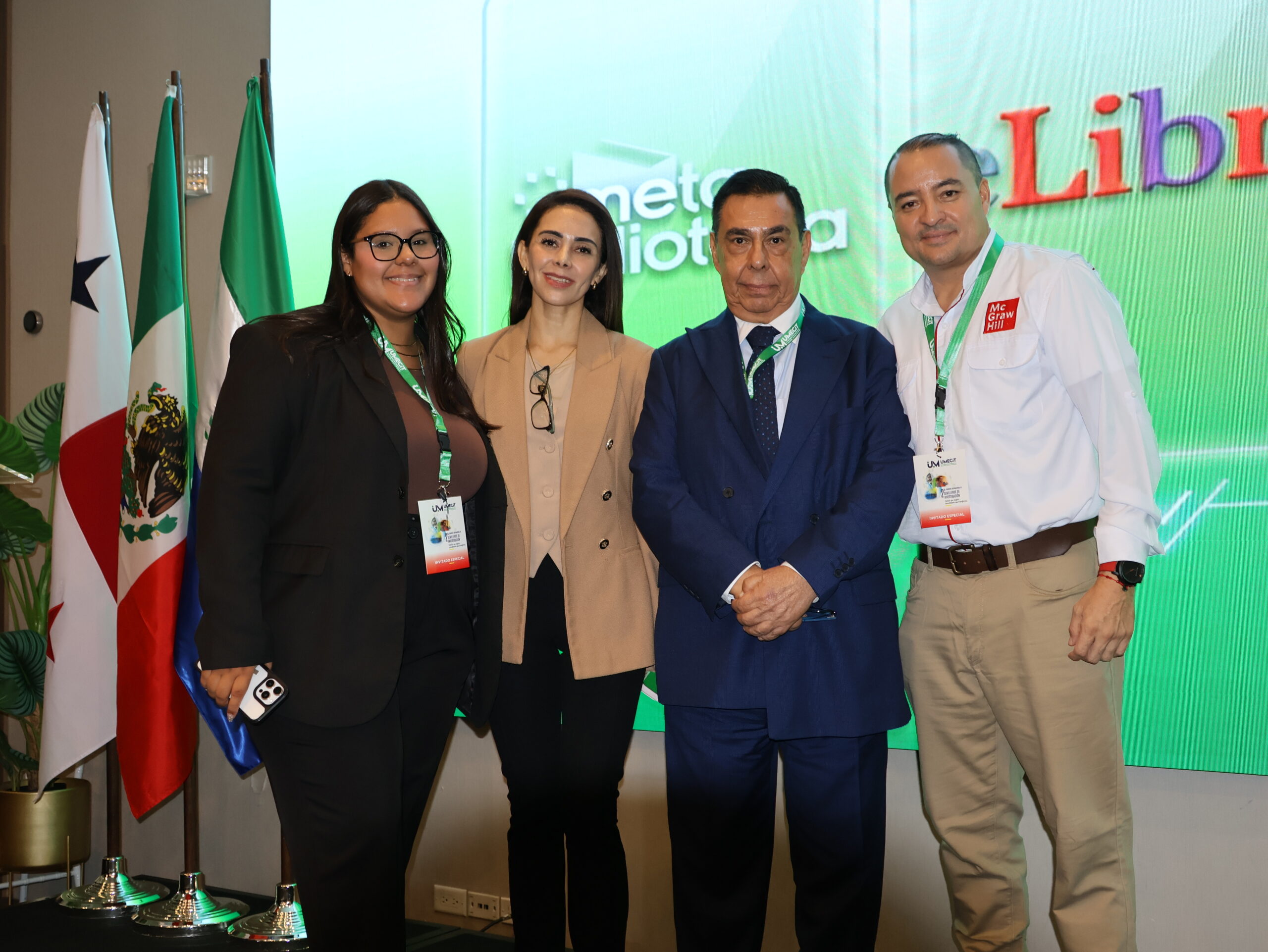
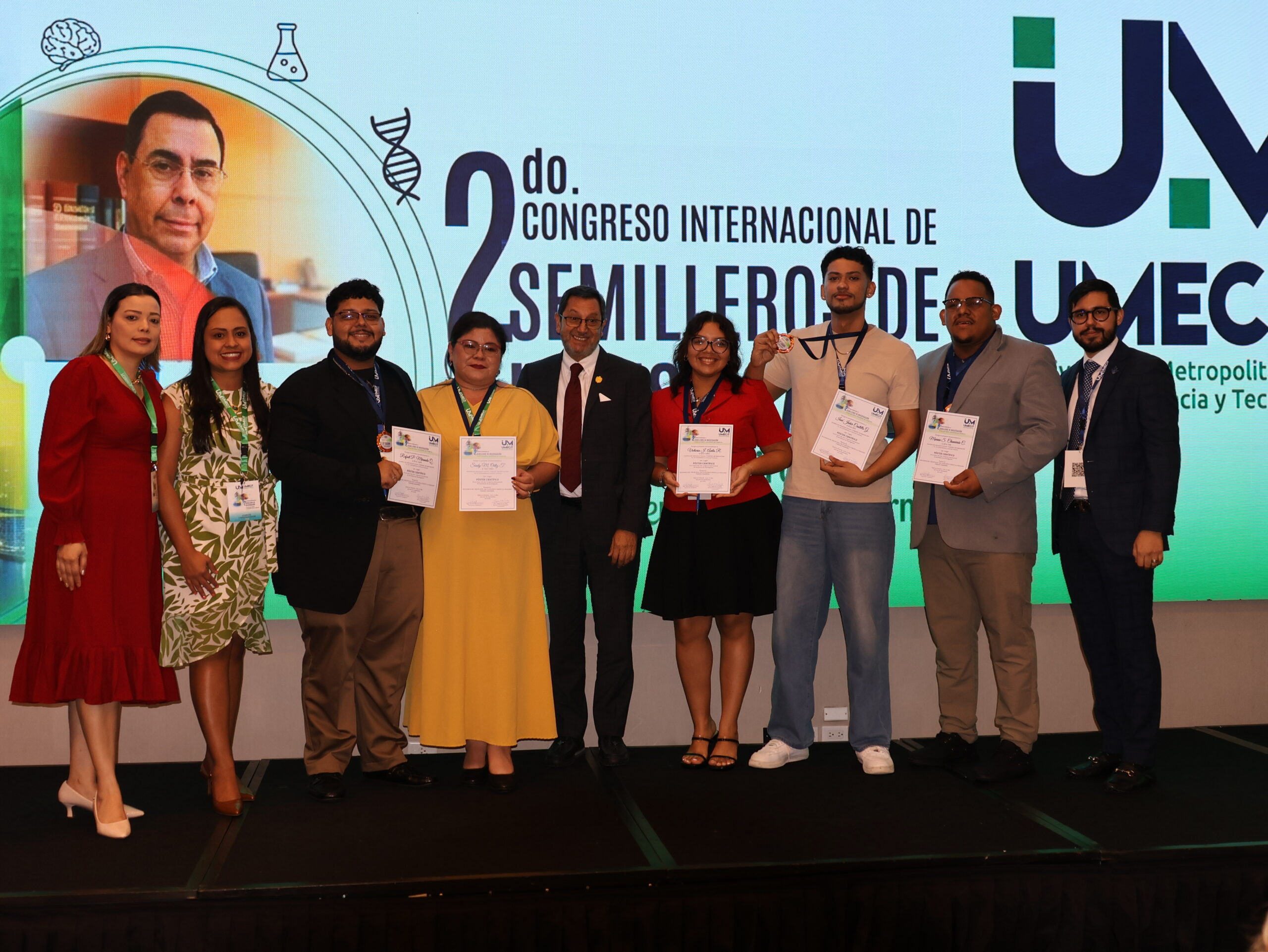
As part of the closing ceremony, UMECIT presented awards to the speakers who participated in the Congress, in gratitude for their contributions to the training and strengthening of students' research skills. An award was also presented for the outstanding poster, recognizing the commitment, quality, and contribution of the work presented by the young researchers, and certificates were awarded to all participants as proof of their participation in this important academic and scientific event.
Thus, the 2nd International Congress of Research Seedbeds became much more than an academic gathering: it was a celebration of young talent, a space for sharing knowledge, and an invitation to continue asking questions, researching, and innovating. Each poster presented, each question posed, and each experience shared reaffirmed that investing in the scientific training of new generations is investing in Panama's capacity to understand its challenges, generate knowledge, innovate, and transform its territories.
Under the motto "Science that inspires, knowledge that transforms", UMECIT continues to promote a university community in which research means asking, understanding, creating and, above all, providing solutions to transform society.
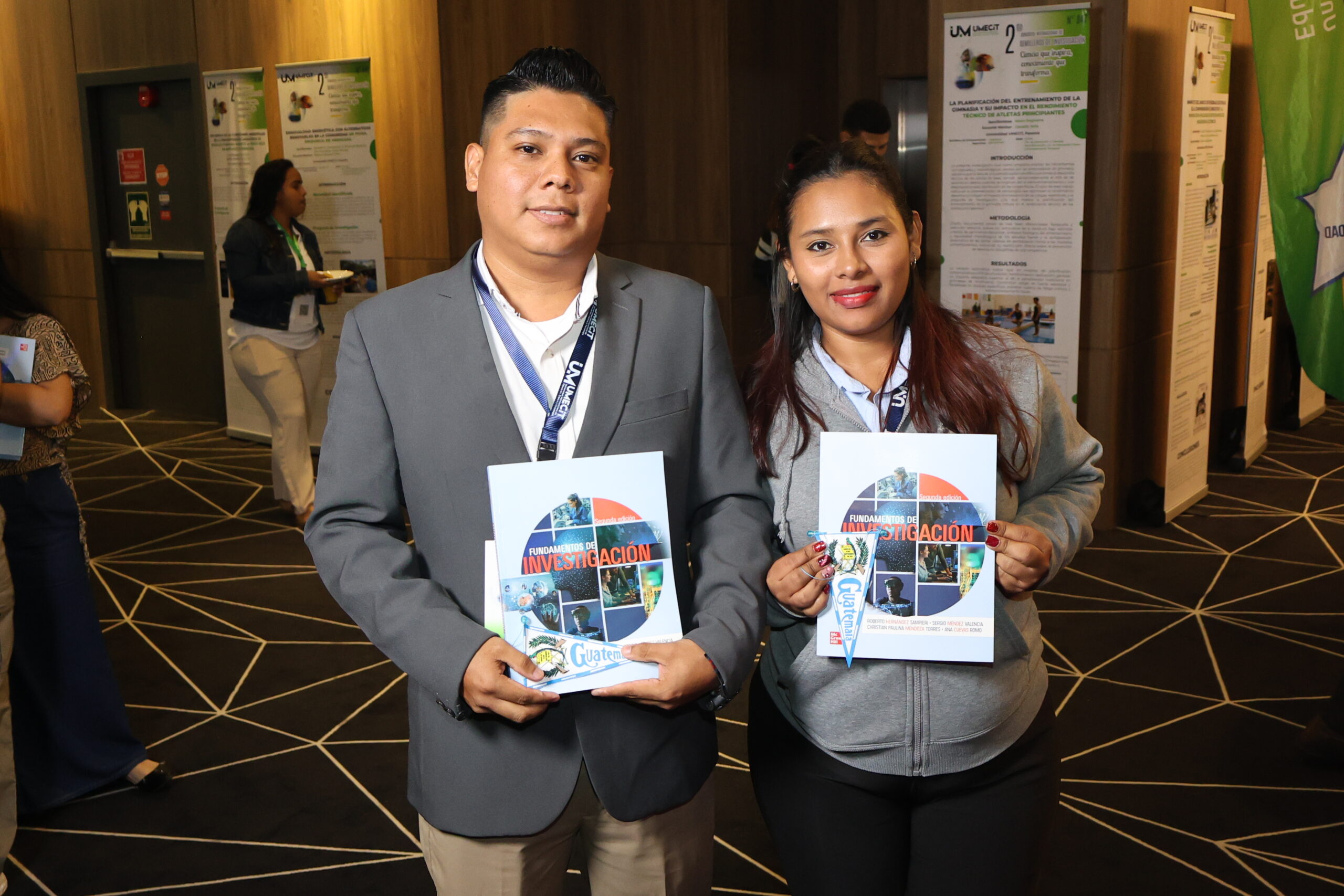
As part of the activities carried out within the framework of the Congress, Dr. Roberto Hernández Sampieri and Dr. Christiane Pauline Mendoza participated in a book signing. Research Fundamentals, This provided students and participants with the opportunity to meet the authors of one of the key academic references used in research training. This event strengthened academic exchange and brought the university community closer to leading figures in Ibero-American research.