Santiago campus celebrates the XXIII Research Conference with broad student participation
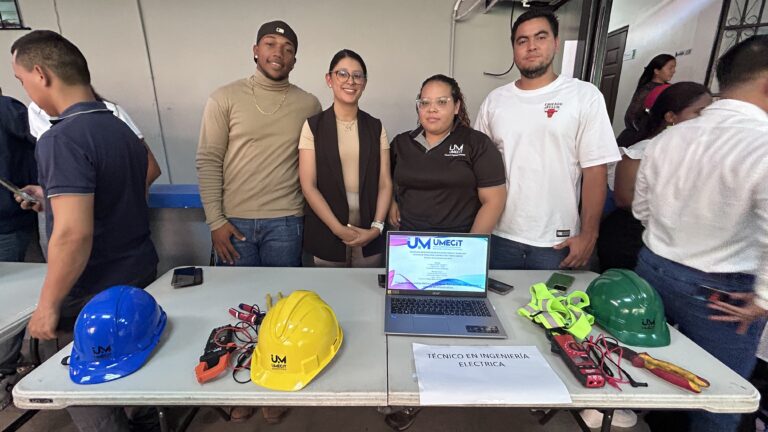
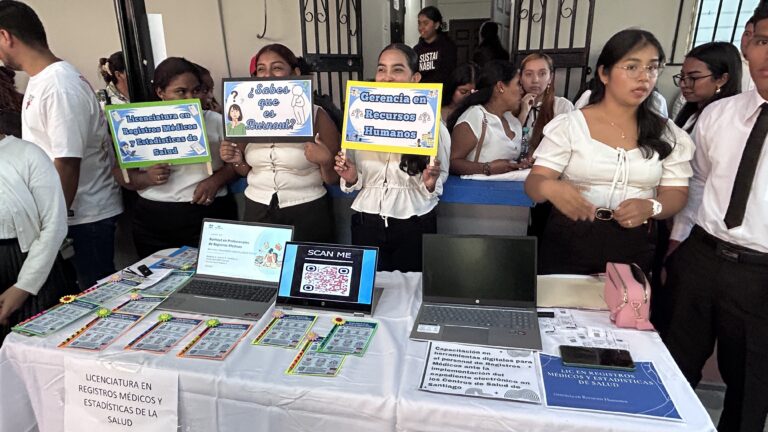
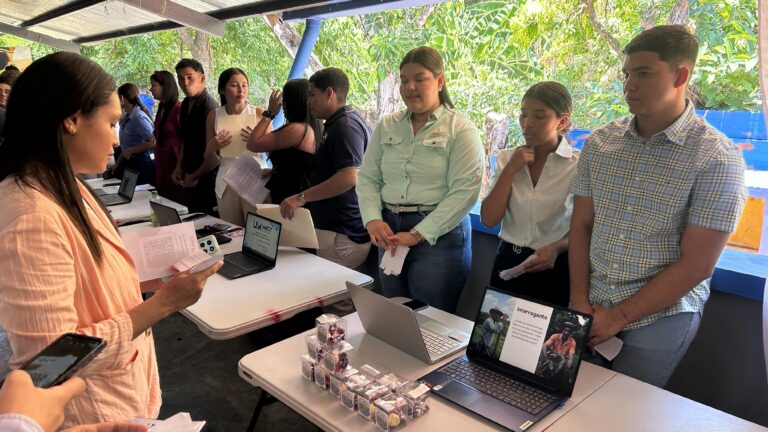
On April 18, the Santiago Campus held the XXIII Research Conference, an academic event that brought together more than 200 students from the various programs offered by the institution, establishing itself as a key platform for the dissemination of knowledge generated in the classroom.
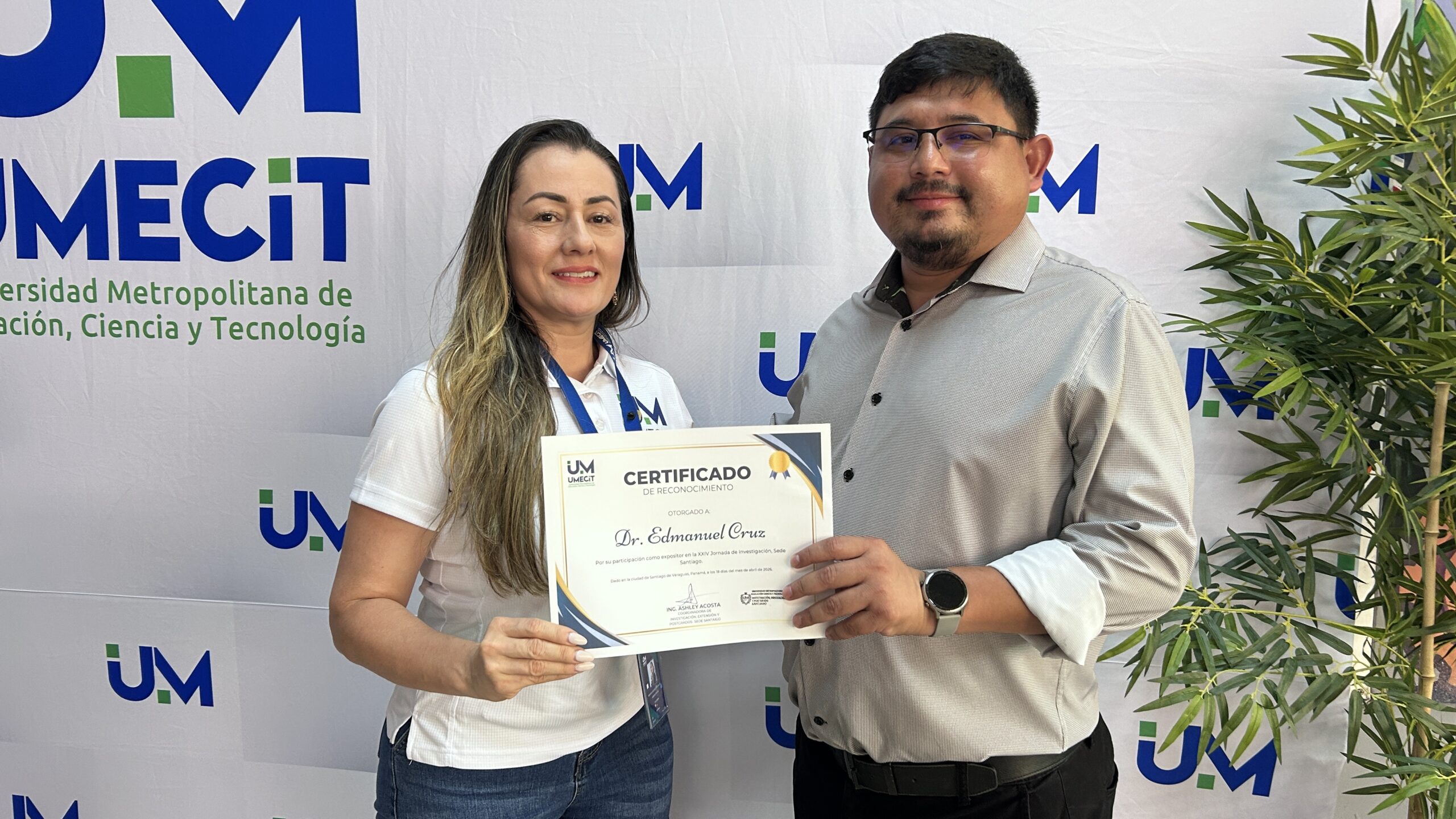
The day began with a presentation by Dr. Edmanuel Cruz, a researcher in the areas of Robotics, Automation, and Artificial Intelligence at the Technological University of Panama, Veraguas Regional Center, who delivered the lecture “From Theory to Application: The Role of Artificial Intelligence in Scientific Research.” During his presentation, he highlighted the practical use of artificial intelligence in research processes and its impact on generating innovative solutions.
Subsequently, 20 student groups presented the progress of their research developed in the classroom, representing careers such as Maritime and Port Administration, Electrical Engineering, Criminalistics and Forensic Sciences, Social Work and Human Development, Occupational Safety and Health, Medical Records and Health Statistics, Environmental Management, Logistics and Multimodal Transport, and Physical Education and Personal Training, among others.
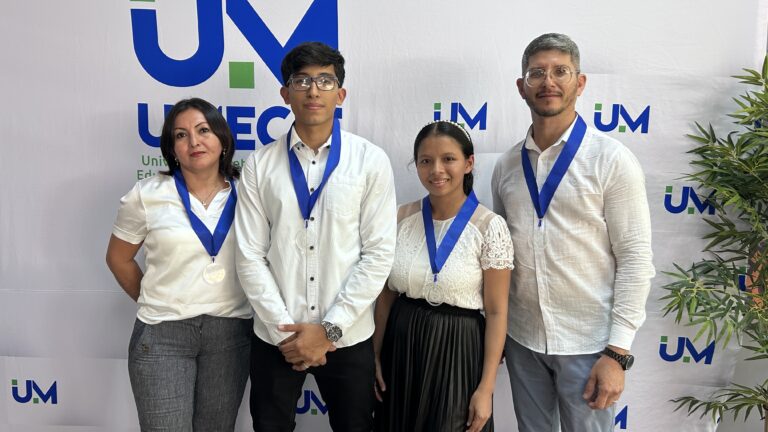
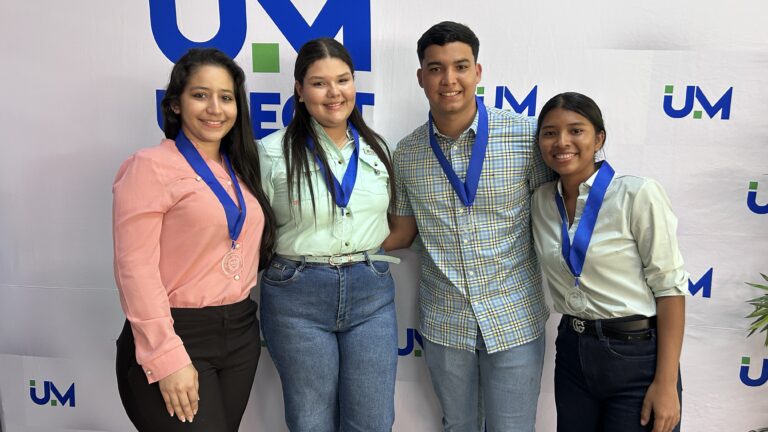
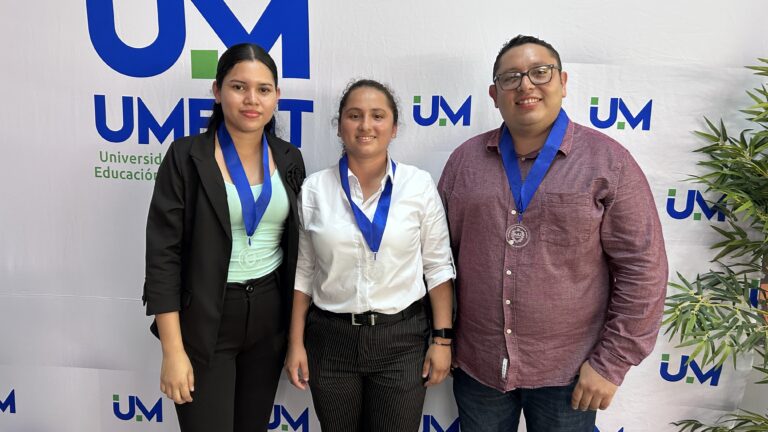
As a result of the evaluations, the most outstanding works were recognized:
First place: “Burnout: Impact on medical records professionals: well-being, job performance and public health”, developed by Marilin del C. Rodríguez G., Estefanía M. Adames A. and Samuel A. Muñoz M.
Second place: “Technological gap in the agricultural sector and impact on productivity and sustainability in Panama”, prepared by Ana De León, Annette Rodríguez and Abdiel Torres.
Third place: “Juvenile delinquency and risk factors in the district of Santiago, Veraguas”, presented by Enedith Cáceres, María Pineda and Dayarkis Cruz.
This event fosters spaces where students strengthen their scientific competencies, critical thinking, and skills for generating relevant knowledge. It also highlights the importance of integrating research into the educational process, contributing to the analysis and development of solutions to real-world problems in their environment.