
Dialogue and diplomacy bring together future professionals at UMECIT's First International Simulation of the United Nations General Assembly
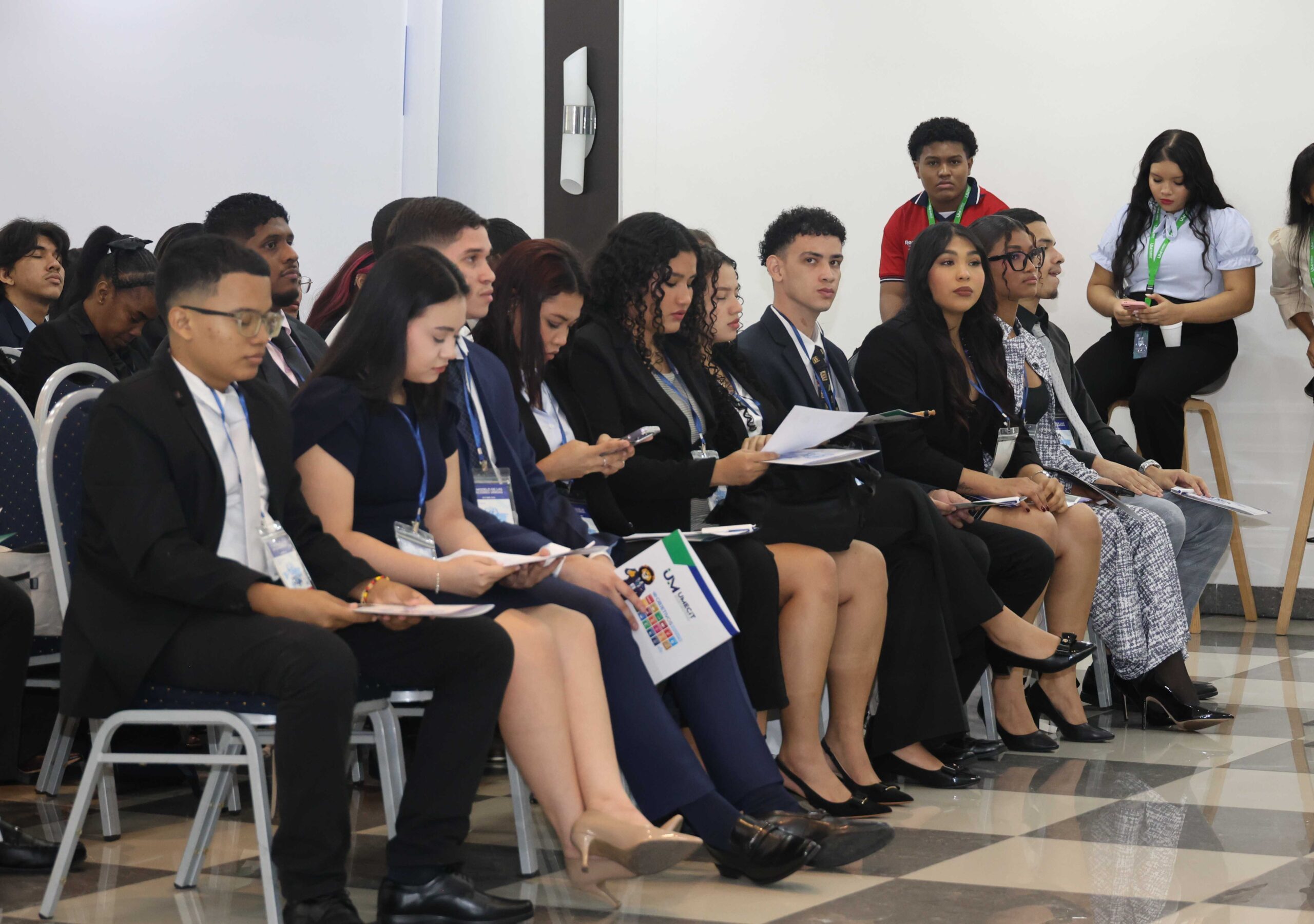
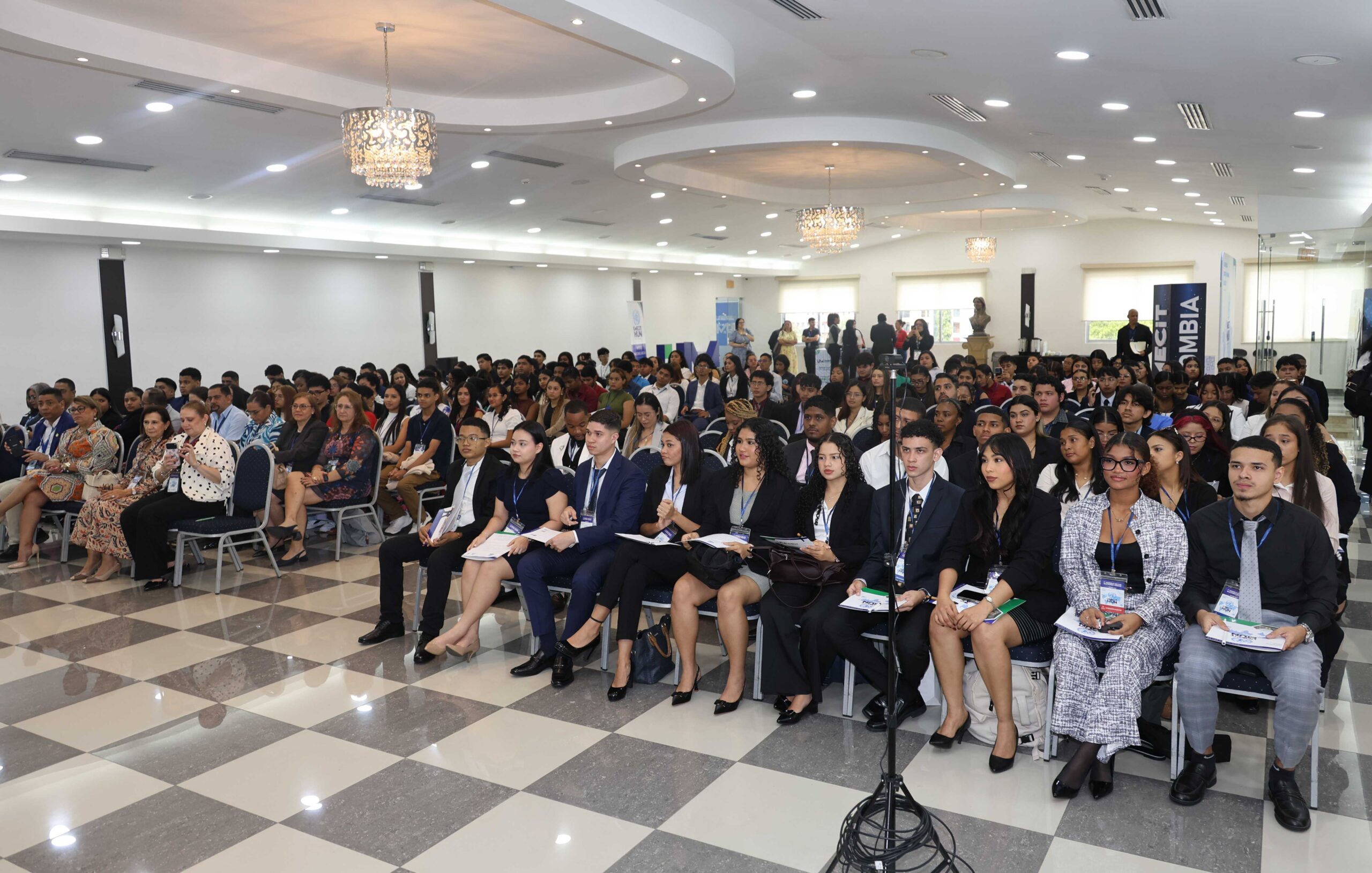
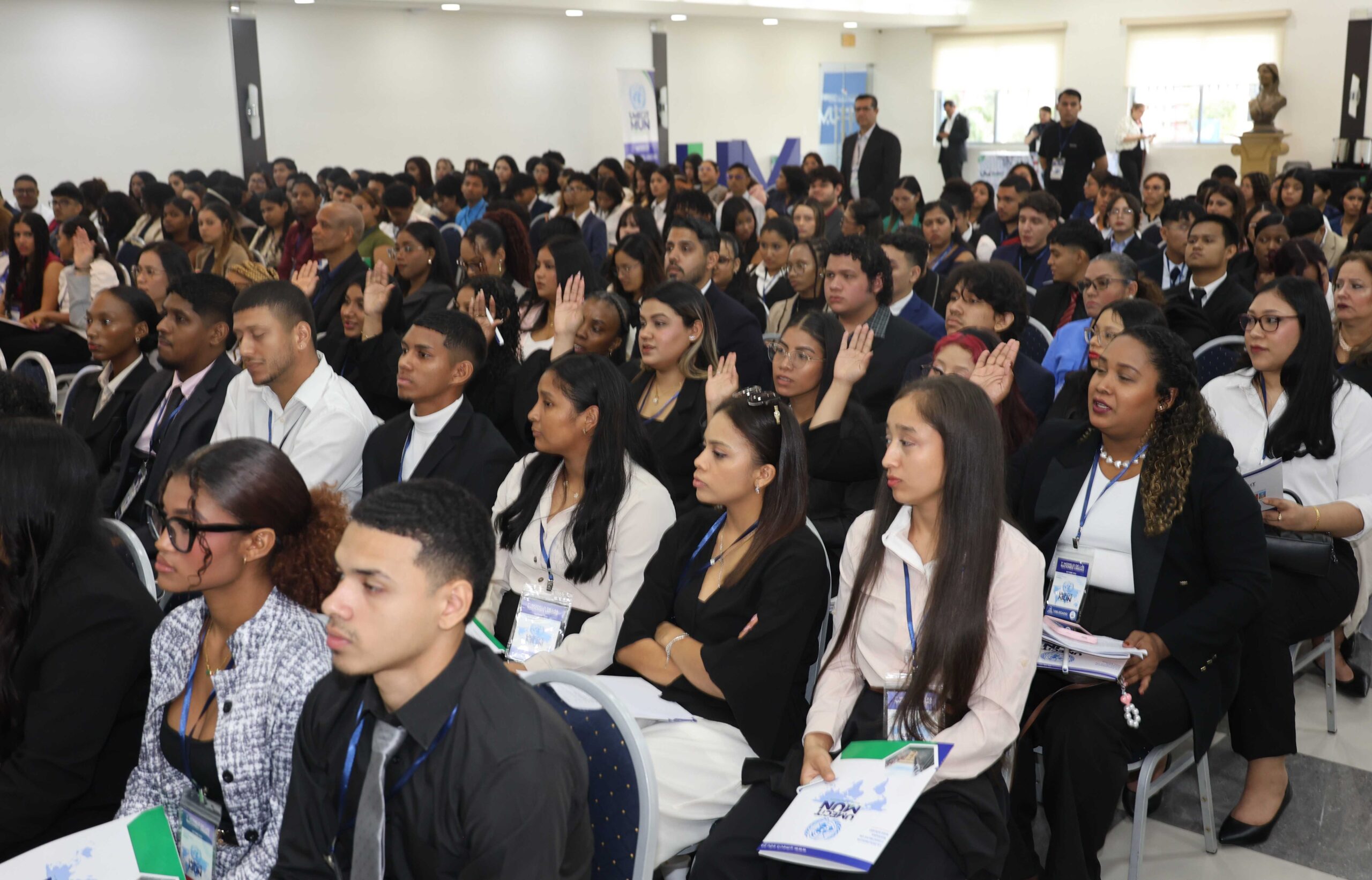
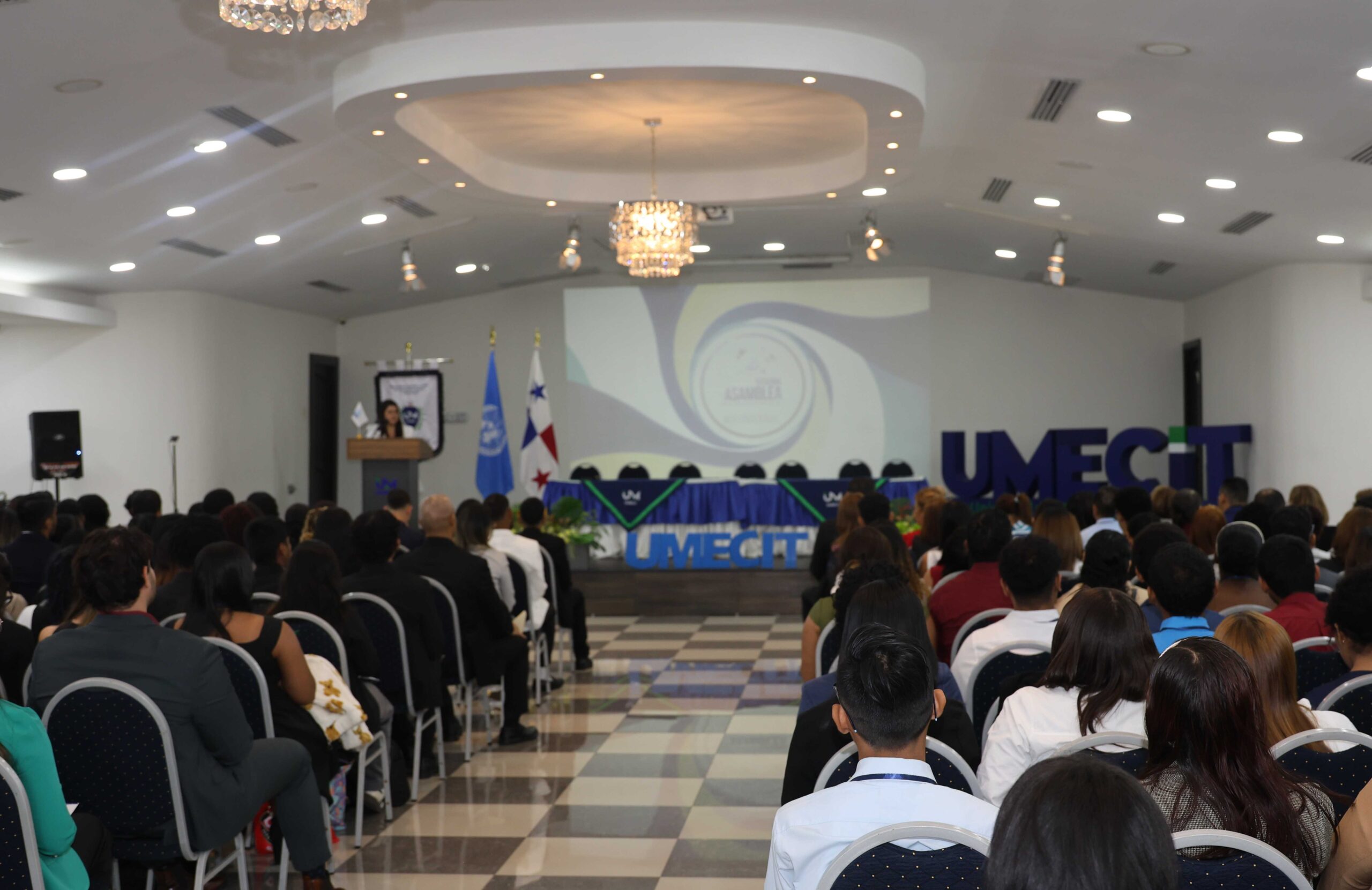
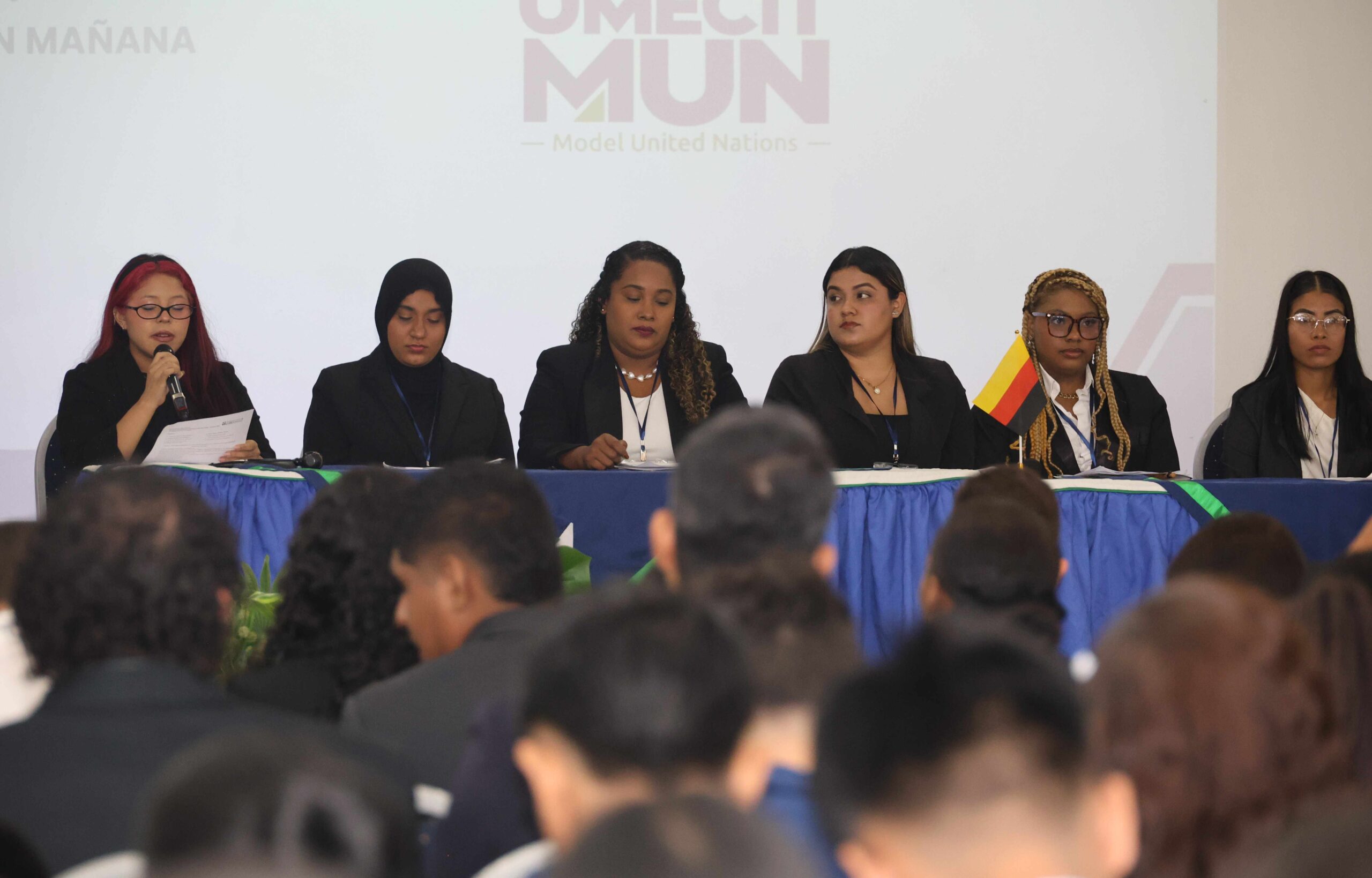
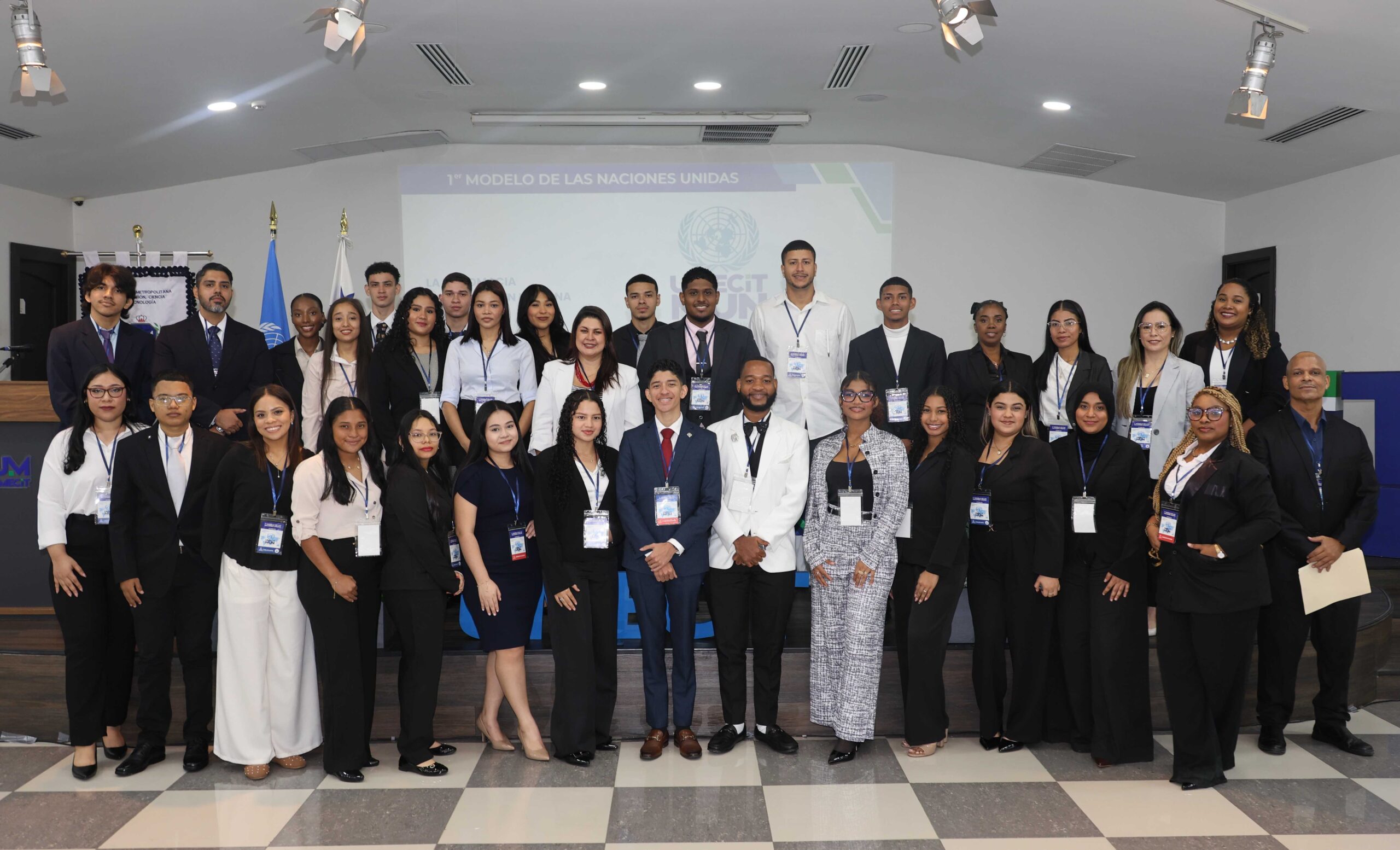
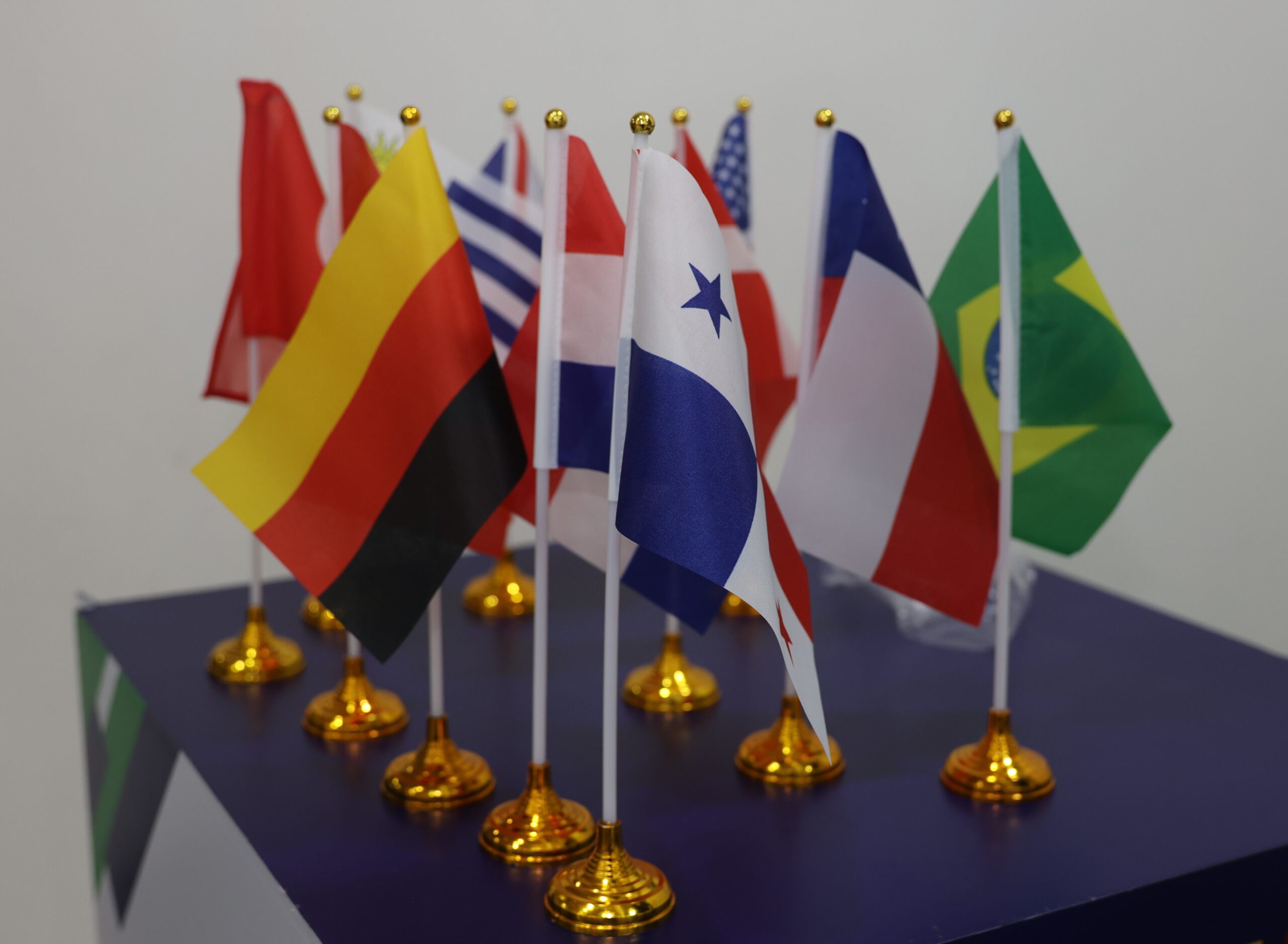
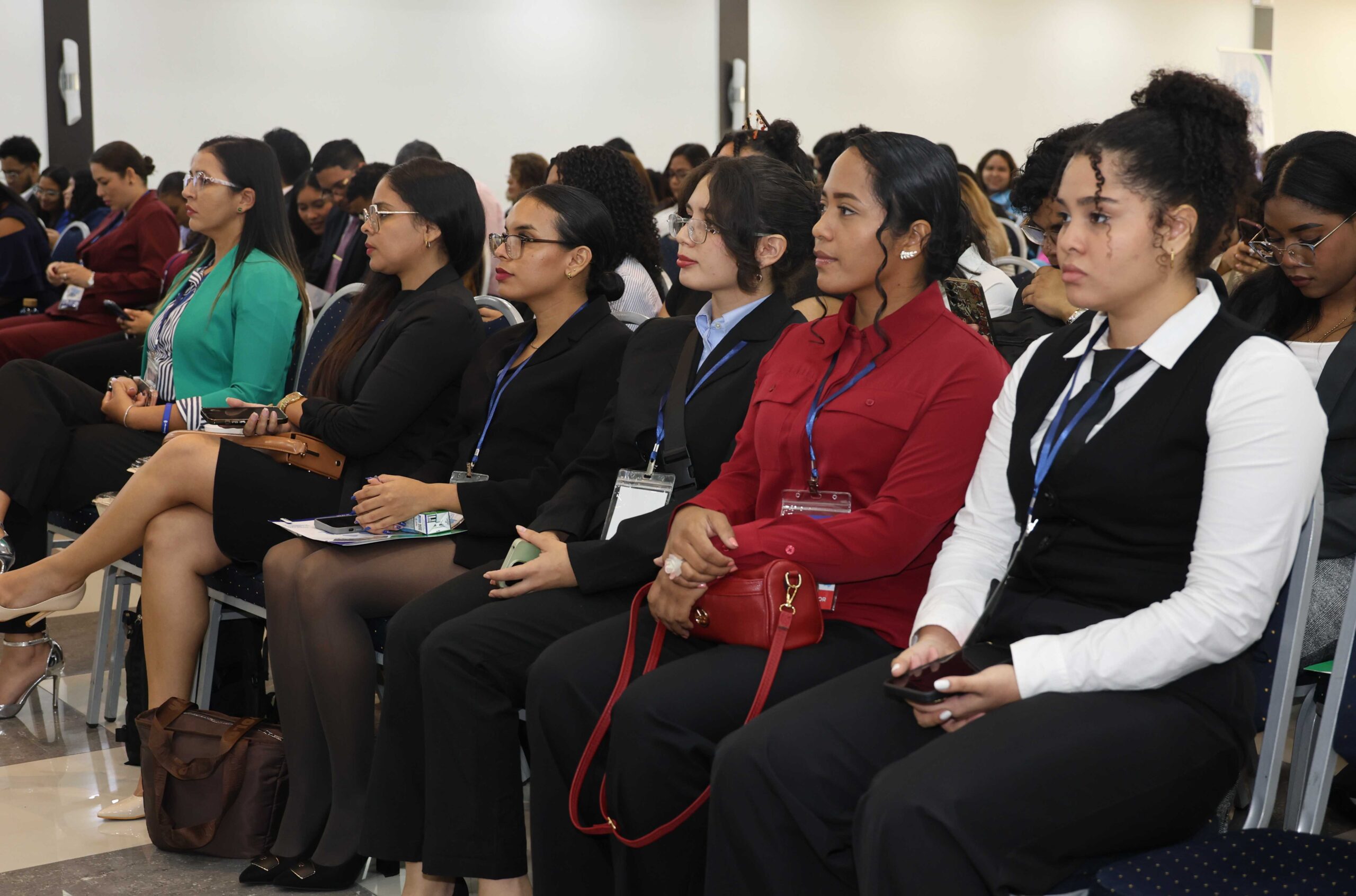
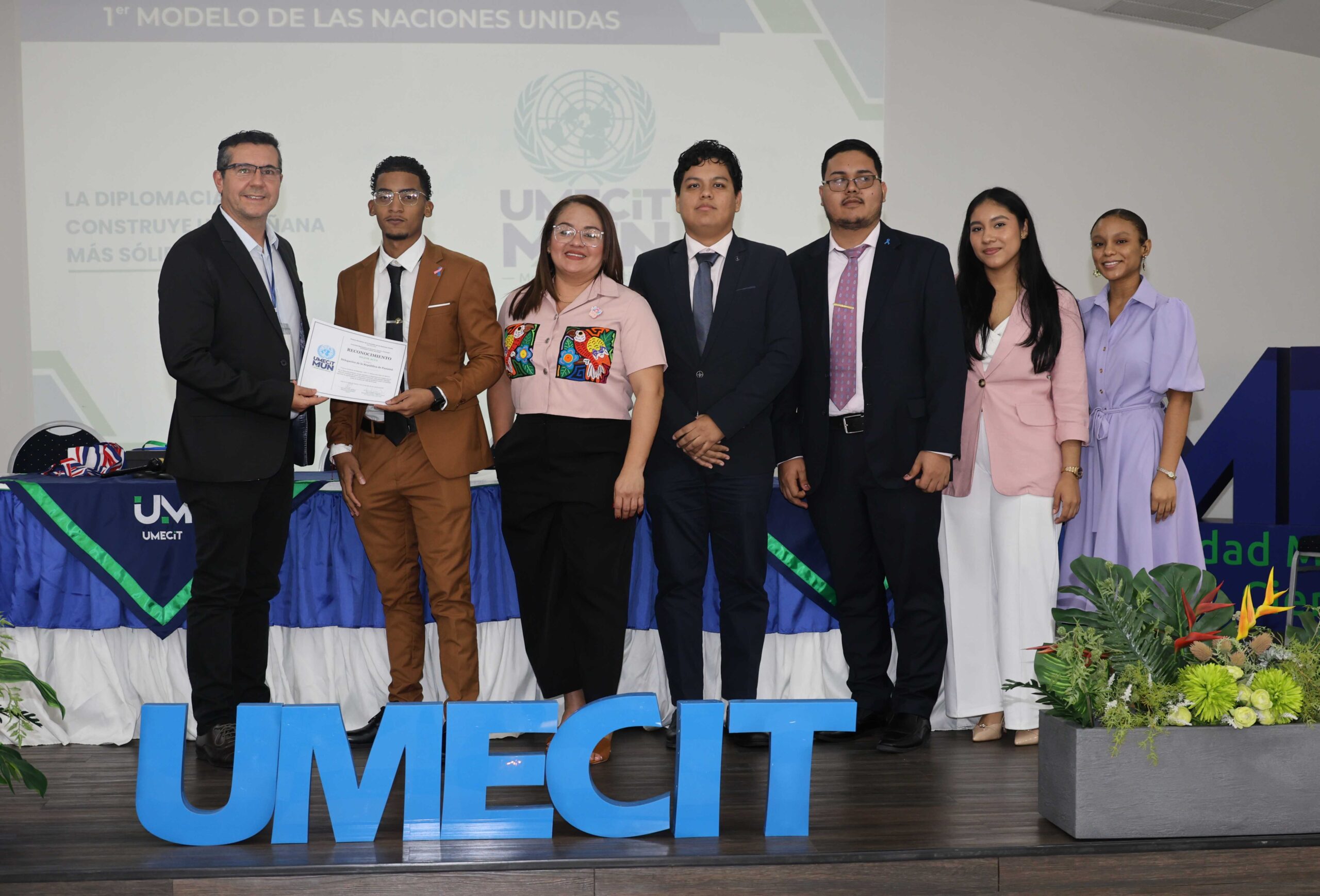
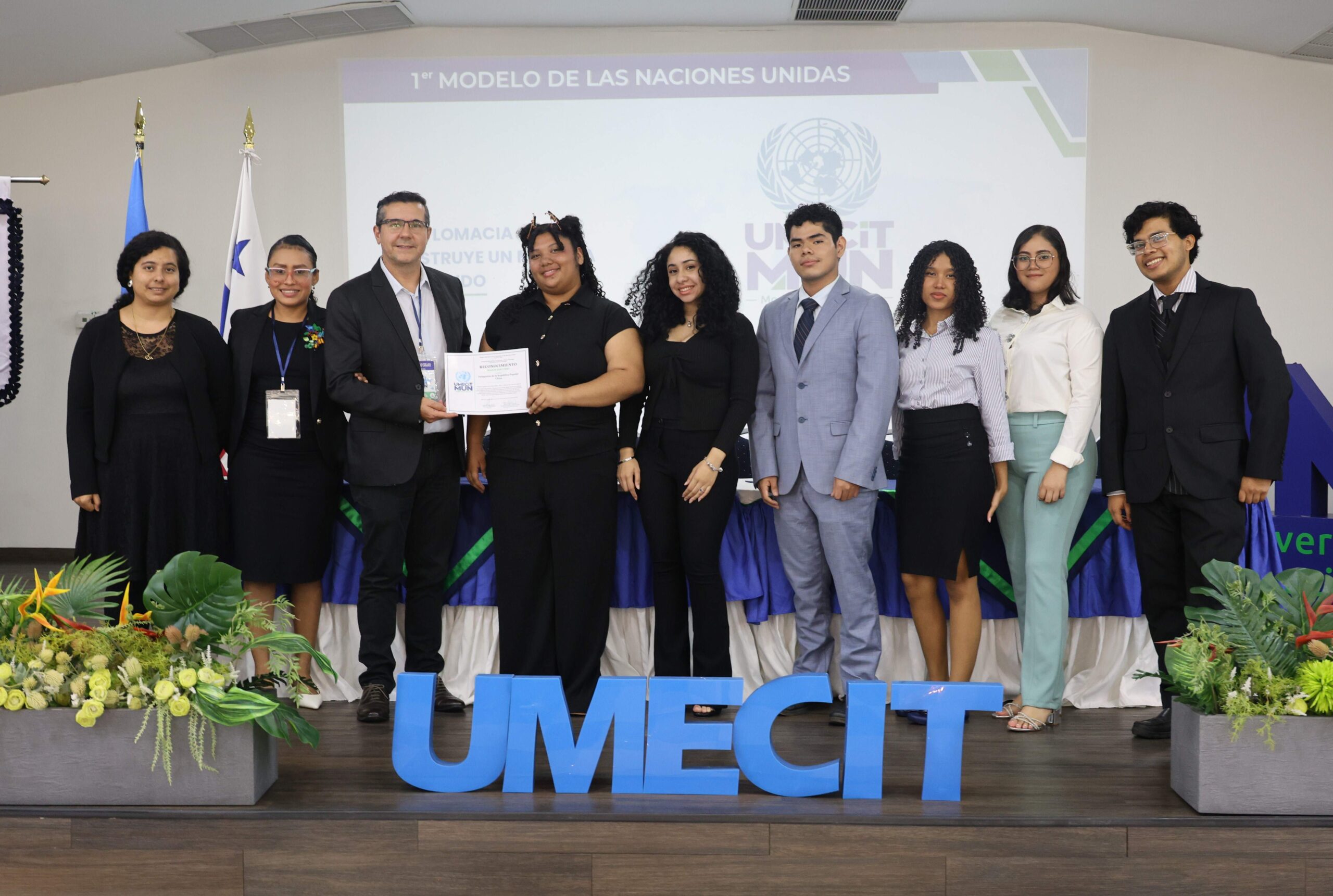
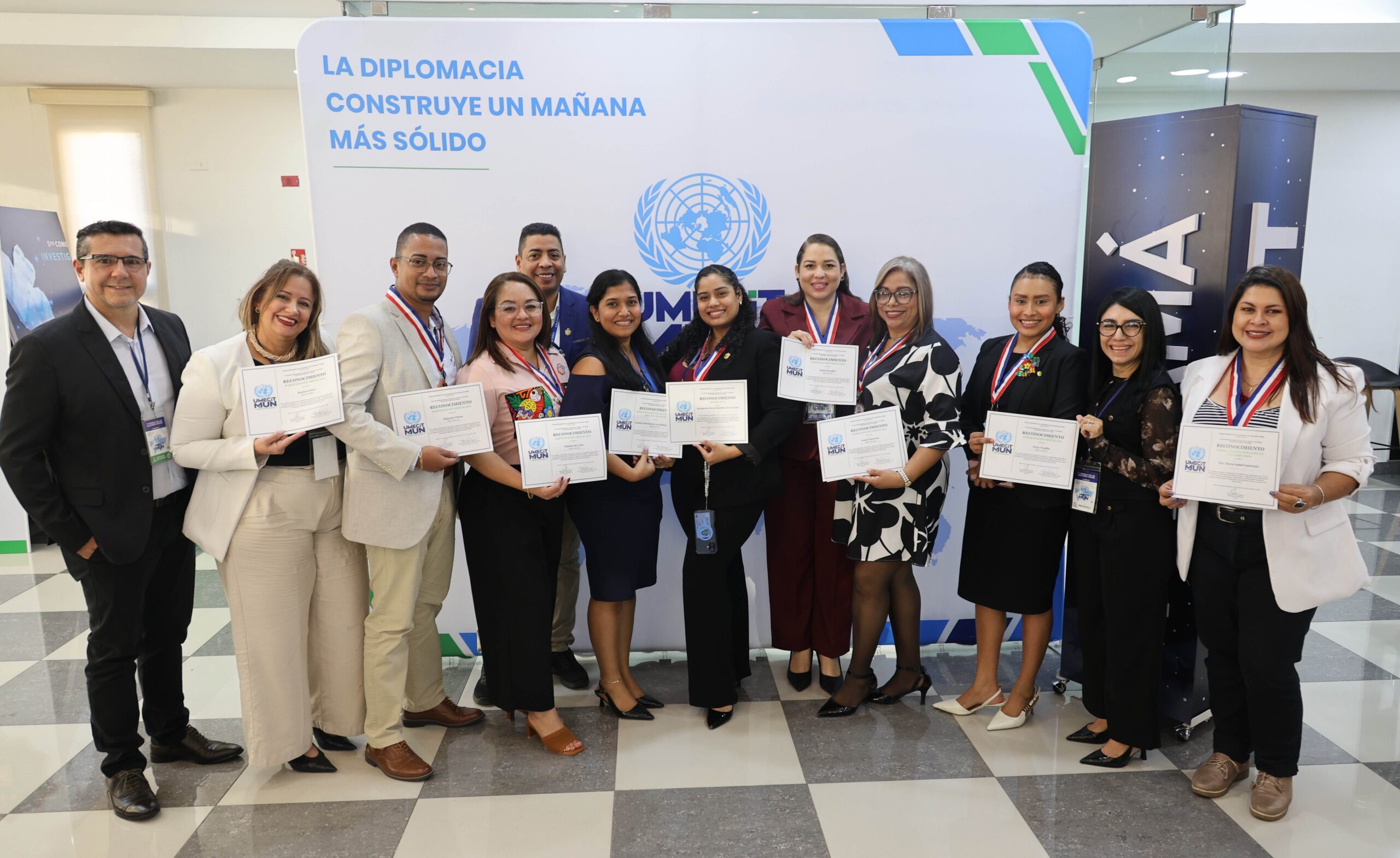
The Metropolitan University of Education, Science and Technology -UMECIT- was the setting for the First International Simulation of the United Nations General Assembly, an academic experience that brought together students from different programs to assume the role of delegates, analyze international problems and develop leadership, negotiation and argumentation skills.
The activity, held on October 28, allowed participants to get closer to the dynamics of one of the main international organizations, through a diplomatic representation exercise that promoted critical thinking, respect for different positions and the search for solutions to the challenges facing contemporary society.
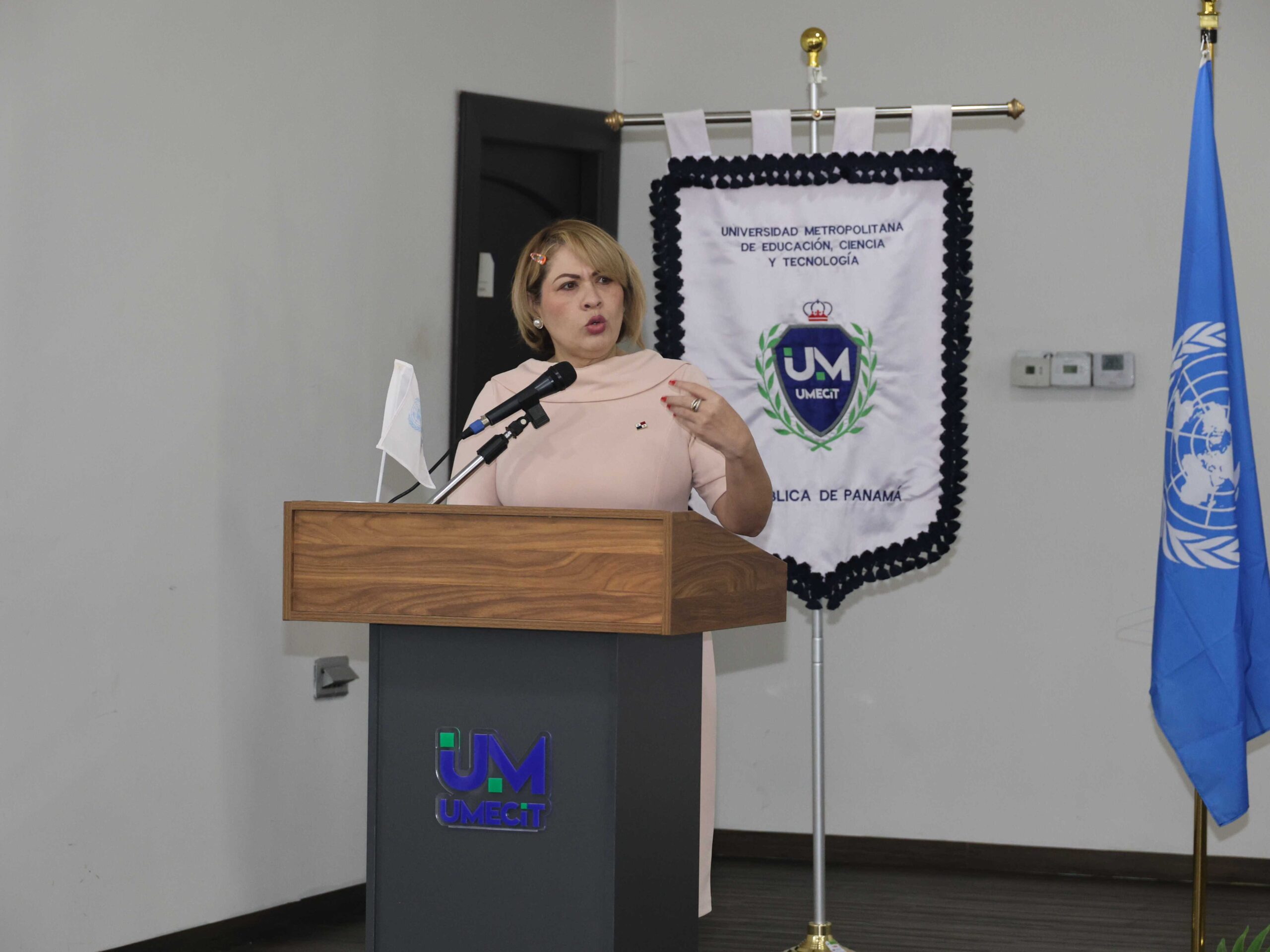
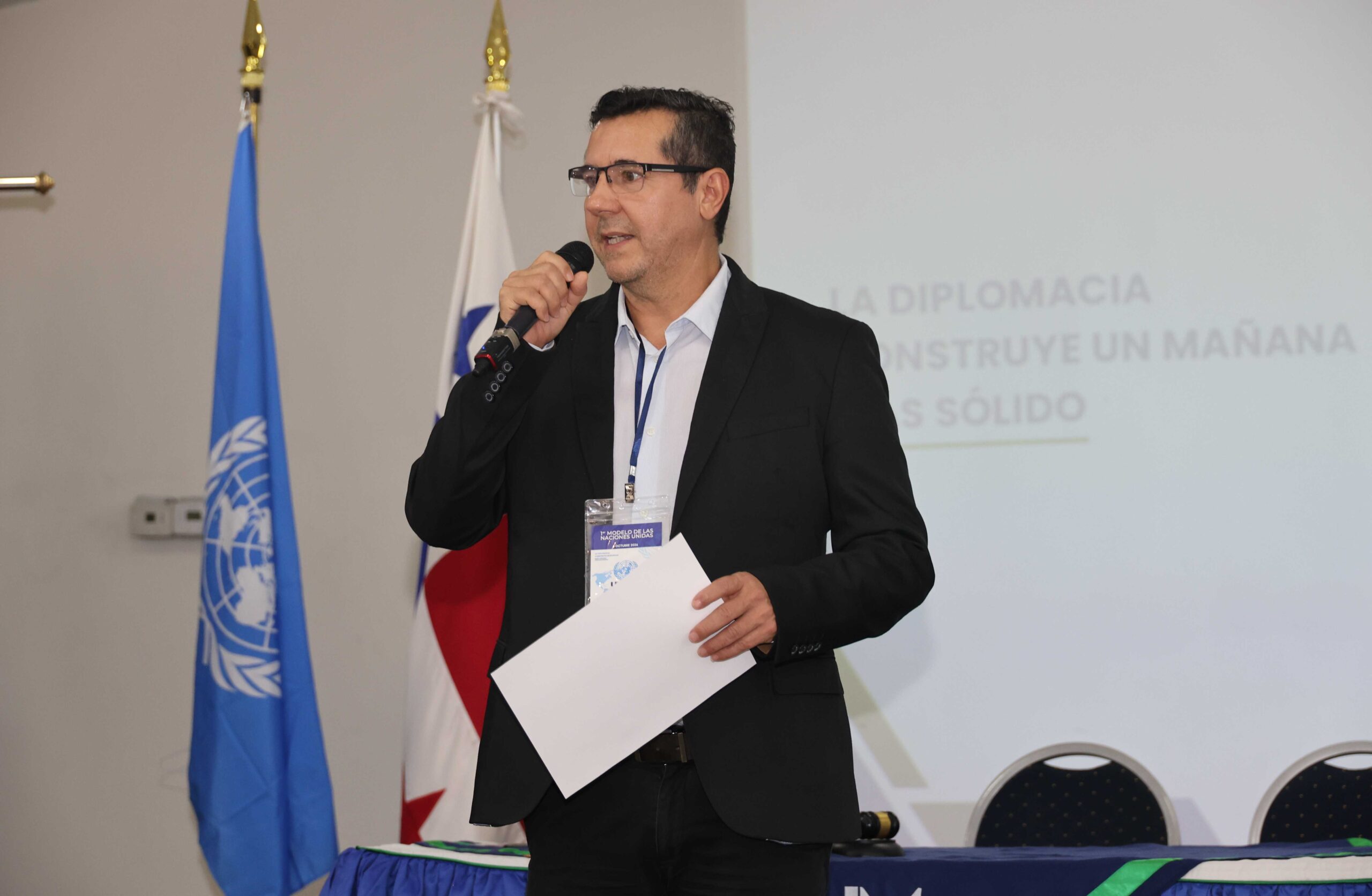
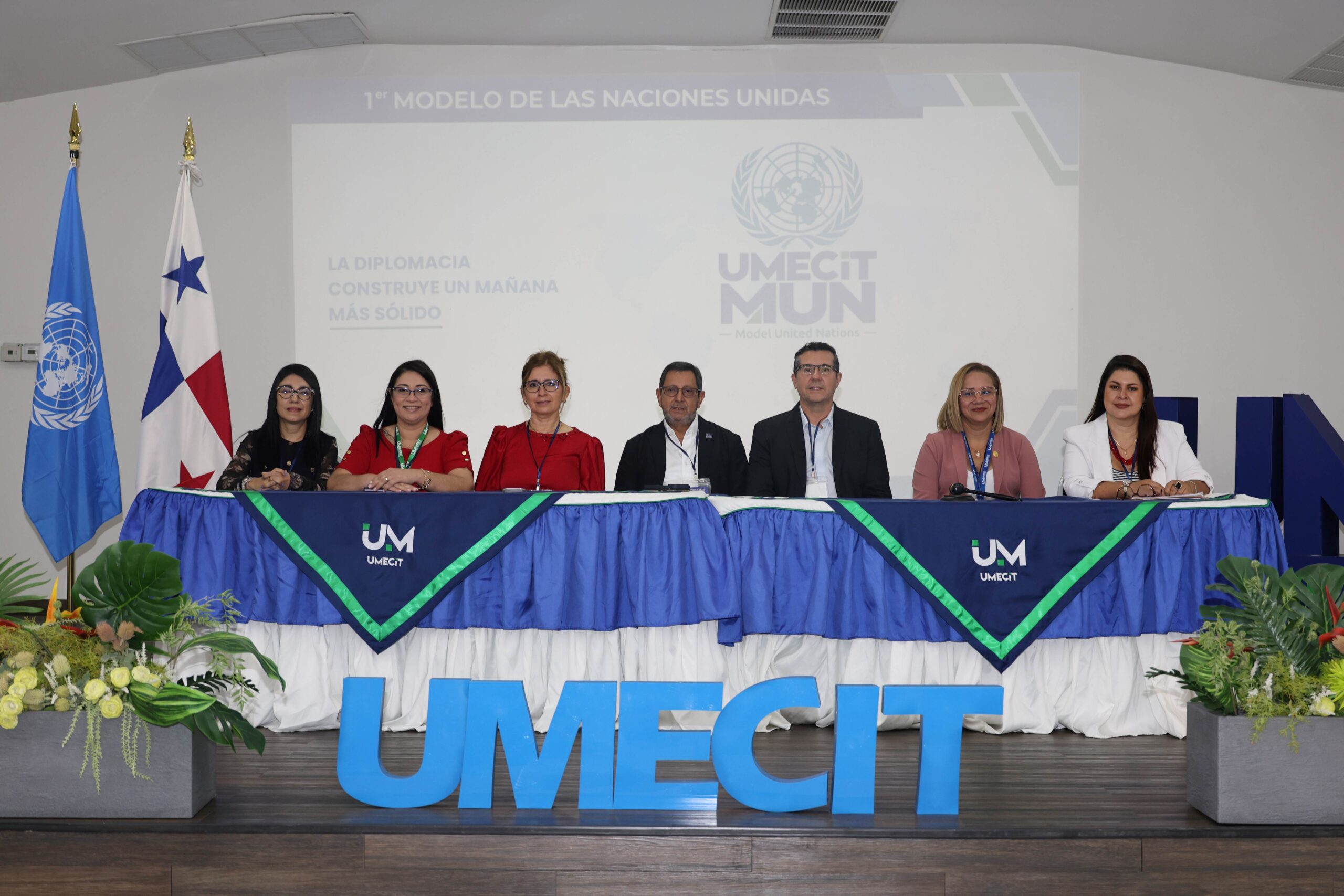
During the opening of the meeting, the rector of UMECIT, Dr. José Alberto Nieto Rojas, congratulated the initiative and highlighted its importance as an experience that brings together different careers and areas of knowledge, linking the Sustainable Development Goals (SDGs) with the substantive functions of the University: teaching, research and extension.
He also highlighted the value of these spaces as settings for the training of leaders capable of exercising diplomacy, practicing tolerance and defending their positions through solid arguments, fundamental skills for navigating an increasingly interconnected world.
For her part, Dr. Marcela Arana, academic director of UMECIT, highlighted the opportunity that this simulation represents for students to strengthen their leadership, argumentation, negotiation and dialogue skills, through a methodology that invites them to assume responsibilities and understand the complexity of international relations.
For the development of this first international simulation, UMECIT relied on the valuable support and experience of the International Bilingual Institute of Panama (IBI), which has been organizing the Model United Nations in its school community for the past five years. Its track record and expertise in planning and executing these academic exercises were fundamental to the event, as it shared its experience and best practices in organizing diplomatic simulations, debates, and the training of young leaders.
An experience of international academic cooperation
The meeting included the participation of María Isabel Guerrero, a research professor in the Economic and Administrative Sciences program at the Luis Amigó Catholic University in Colombia, who shared her institution's experience in organizing United Nations models.
The academic explained that this initiative has been underway since 2018 and that, over the years, it has allowed them to work with universities in Argentina and Mexico, to which UMECIT, in Panama, is now added.
Guerrero expressed his satisfaction with this new cooperation experience and especially valued the integration of the different academic programs of UMECIT, whose students understood the importance of participating in spaces for analysis and discussion on political issues and topics of international interest.
Learning to debate, listen and build agreements
Beyond the representation of countries and their positions on international affairs, the simulation provided an opportunity for students to put their knowledge into practice, facing the challenge of researching, arguing, listening to different perspectives and seeking common ground.
This type of experience helps us understand that major global challenges require professionals with an interdisciplinary vision, sensitivity to social realities, and the ability to build agreements through dialogue.
With the realization of this First International Simulation of the United Nations General Assembly, UMECIT expands the learning opportunities of its students and promotes academic experiences that connect university education with the political, social and economic dynamics of the global stage.