
Engineering, innovation and research: this is how the UMECIT–USTA 2026 International Academic Mission was experienced in Panama
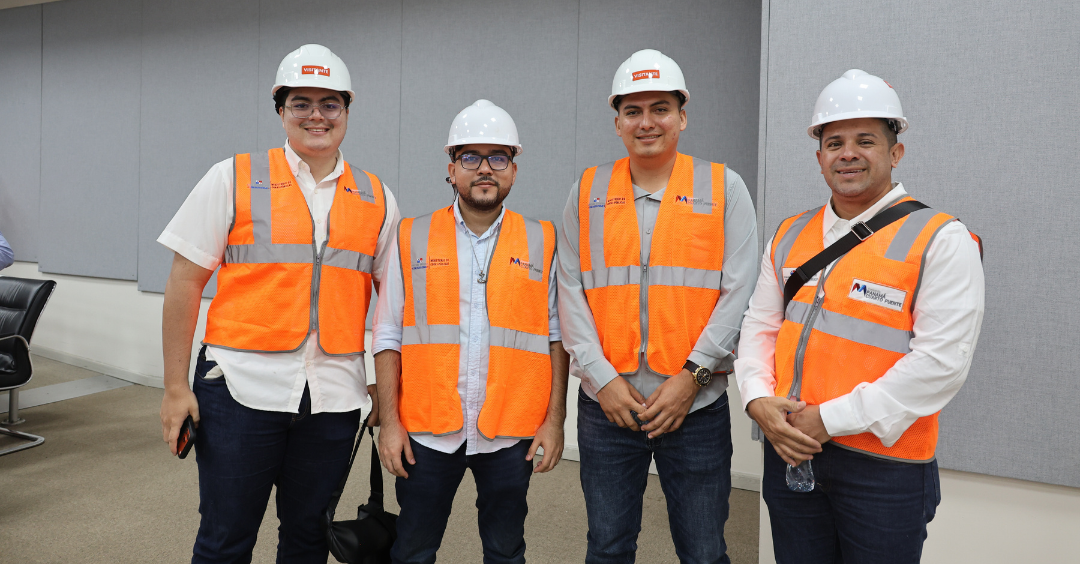
For three days, students and teachers from the Santo Tomás University, Villavicencio branch, Colombia, participated together with representatives from UMECIT in an academic mobility experience that combined technical visits, specialized conferences, research and knowledge exchange, bringing university training closer to the major infrastructure and development projects of Panama.
The Metropolitan University of Education, Science and Technology -UMECIT- received a delegation from the Santo Tomás University (USTA), Villavicencio branch, Colombia, within the framework of the UMECIT-USTA 2026 International Academic Mission, an initiative aimed at promoting cooperation between higher education institutions and generating learning experiences linked to the current challenges of engineering, innovation and sustainable development.
For three days, participants had the opportunity to learn about the country's strategic projects, exchange experiences with specialists from different sectors, and share training and research spaces.
From the classroom to major infrastructure projects
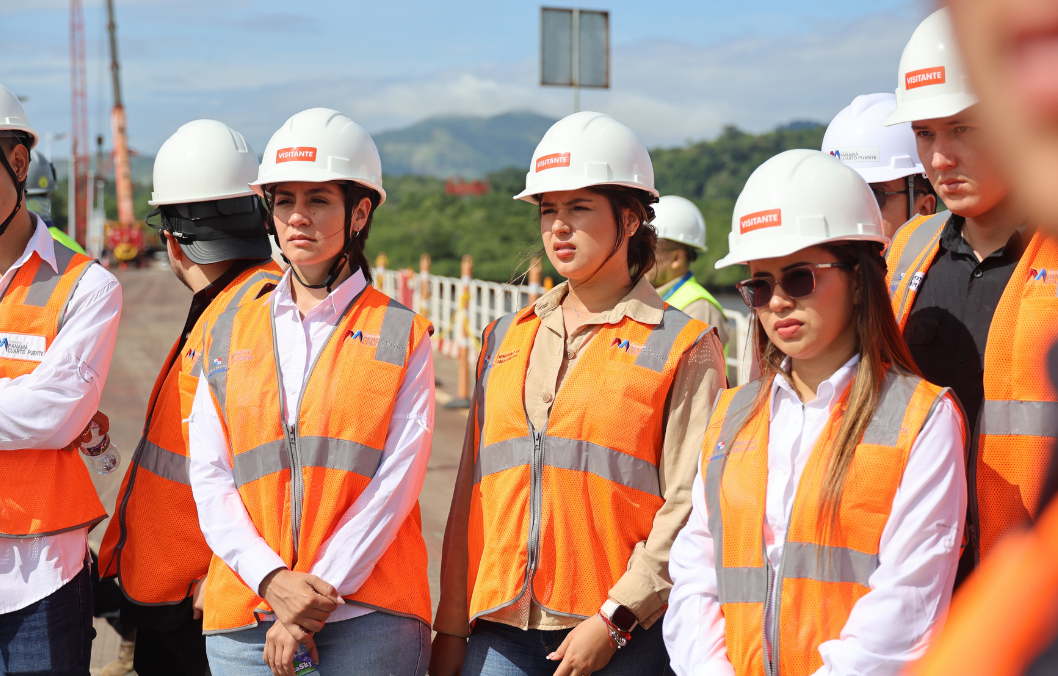
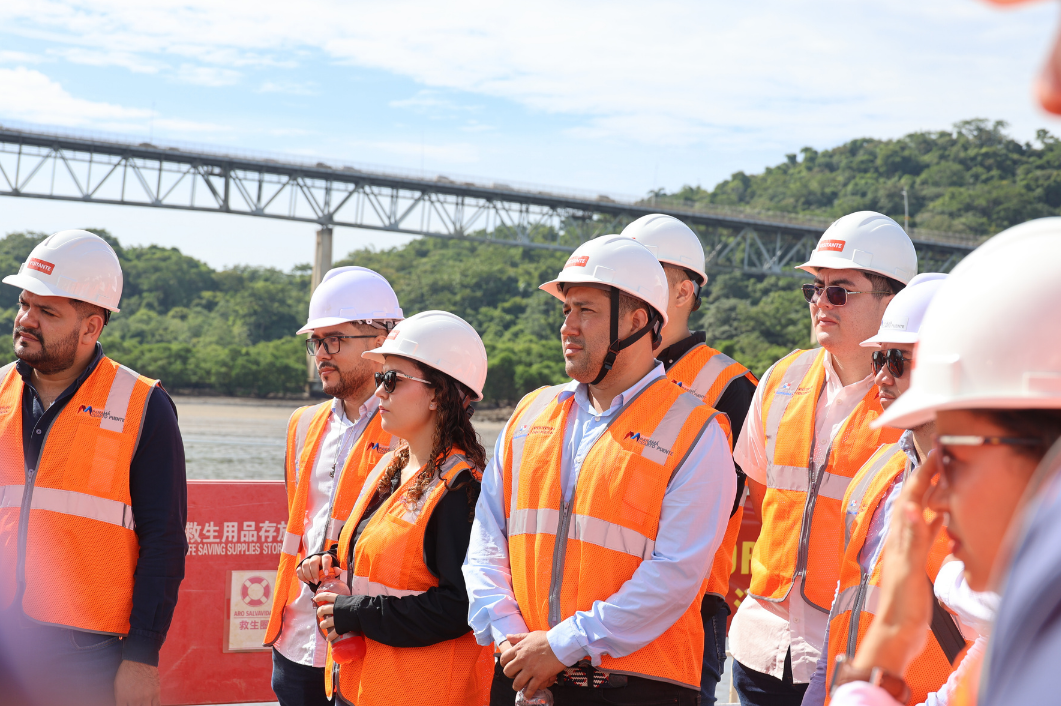
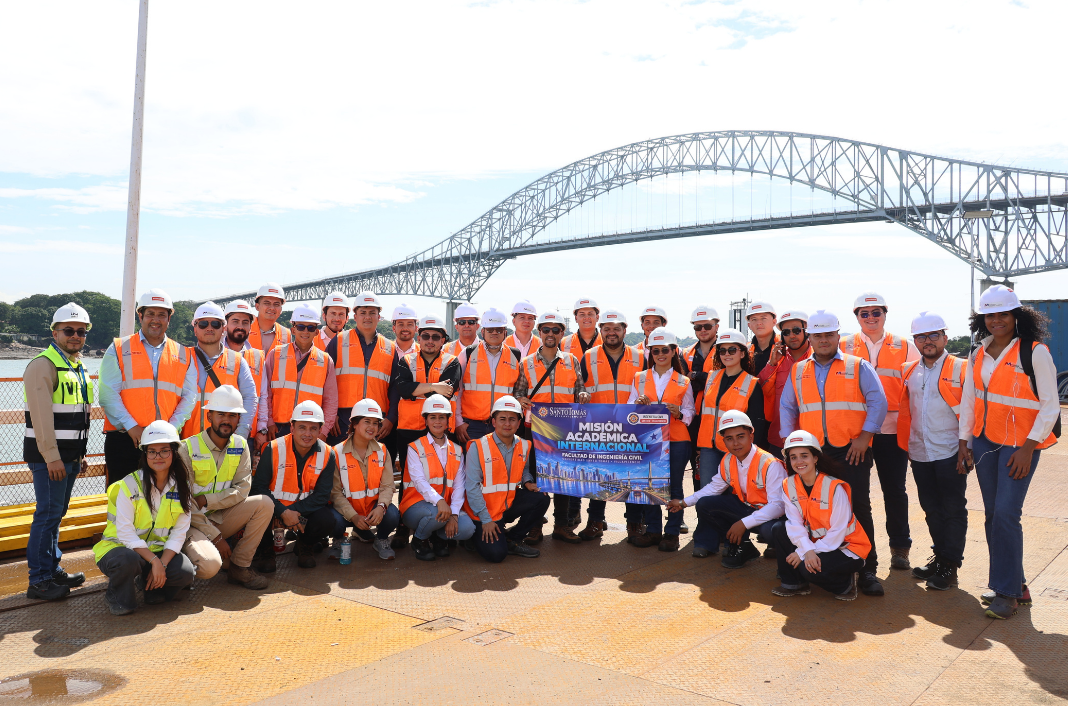
The mission began with a technical visit to the project of the Fourth Bridge over the Panama Canal, one of the most important infrastructure works for the connectivity of the country.
As part of this first day, students and teachers participated in the conference “Mega Works”, developed in conjunction with the Ministry of Public Works (MOP) and the Panama Fourth Bridge Consortium (CPCP).
This experience allowed them to learn firsthand about the technical and construction challenges involved in carrying out large projects, as well as to understand their impact on mobility, competitiveness, and economic growth in Panama.
Competitiveness, technology and hands-on learning
The second day took place at the UMECIT Founders headquarters, with a series of conferences dedicated to strategic topics such as the measurement and impact of competitiveness generated by engineering, auxiliary maritime industries and the development of railway lines and the Panama Metro.
The event included the participation of Luis Carrizo, National Director of Commerce of the Ministry of Commerce and Industries (MICI); representatives of the Panama Maritime Authority (AMP); and Miguel Hernández, Engineering Manager of Sofratesa, who shared knowledge and experiences on the evolution of these sectors and their importance for national development.
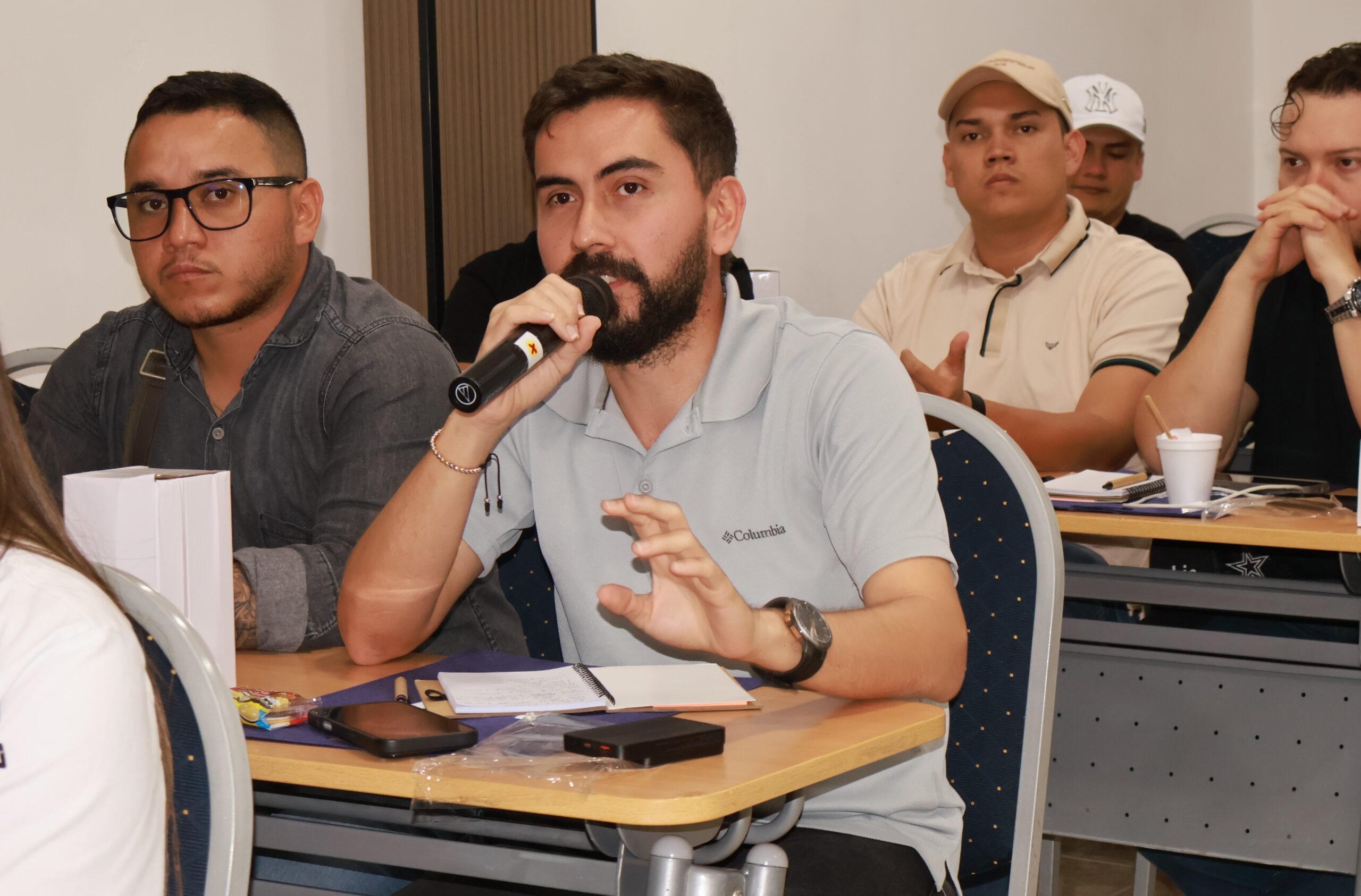
Later, the delegation visited UMECIT's FAB LAB, where they explored spaces dedicated to technological innovation and hands-on learning. The program also included academic sessions led by Dr. Julie Guerrero, which fostered knowledge exchange and introduced participants to new training tools and experiences.
International research and cooperation to complete the mission
The third day was dedicated to research, innovation, and academic exchange.
The activities began with the conference “Energy, infrastructure and innovation”, given by Ricardo León Grisales Sánchez, Vice President of Strategic Planning, Regulation and New Businesses at ENSA, who shared perspectives on the challenges and opportunities of these strategic sectors.
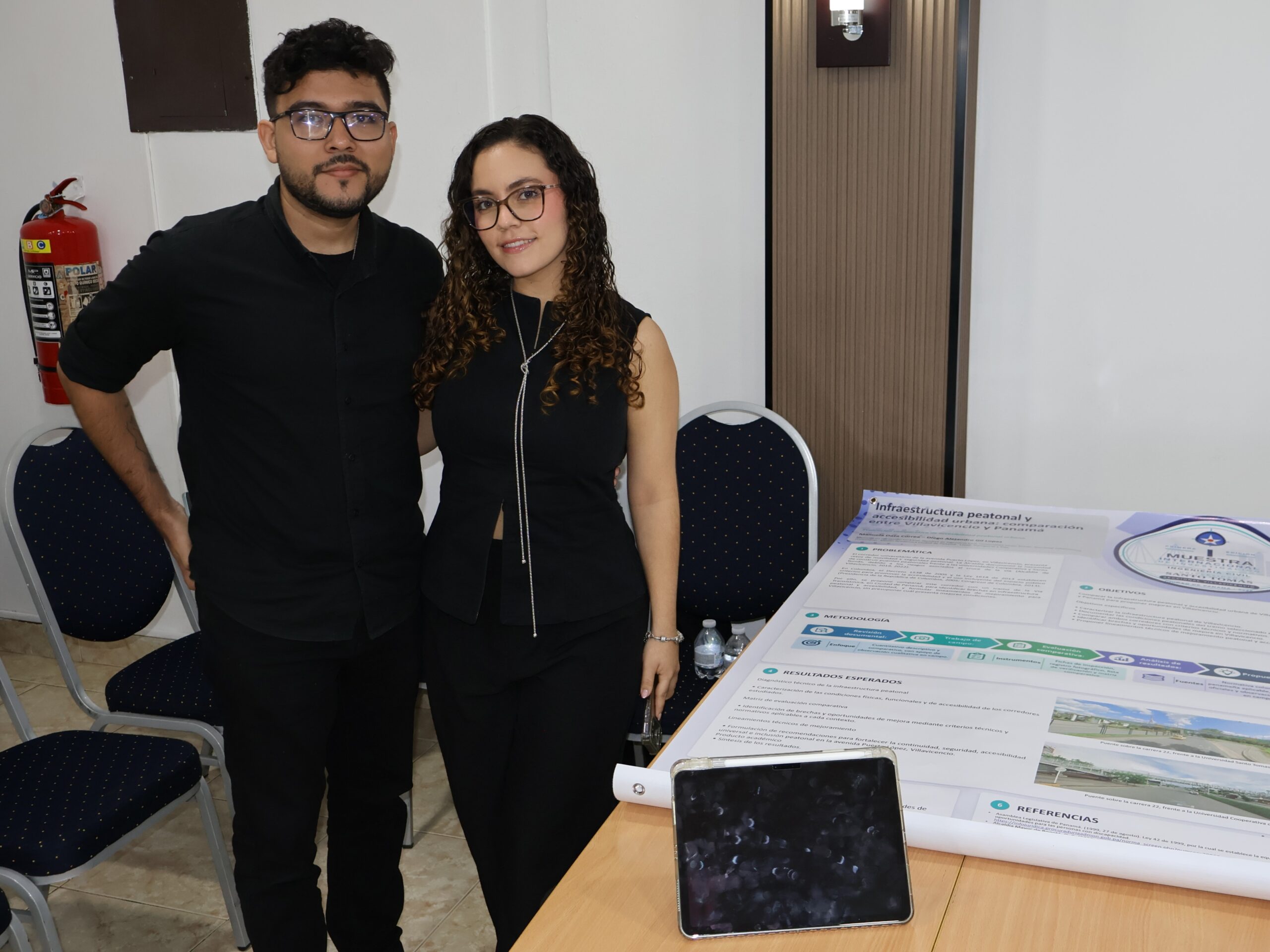
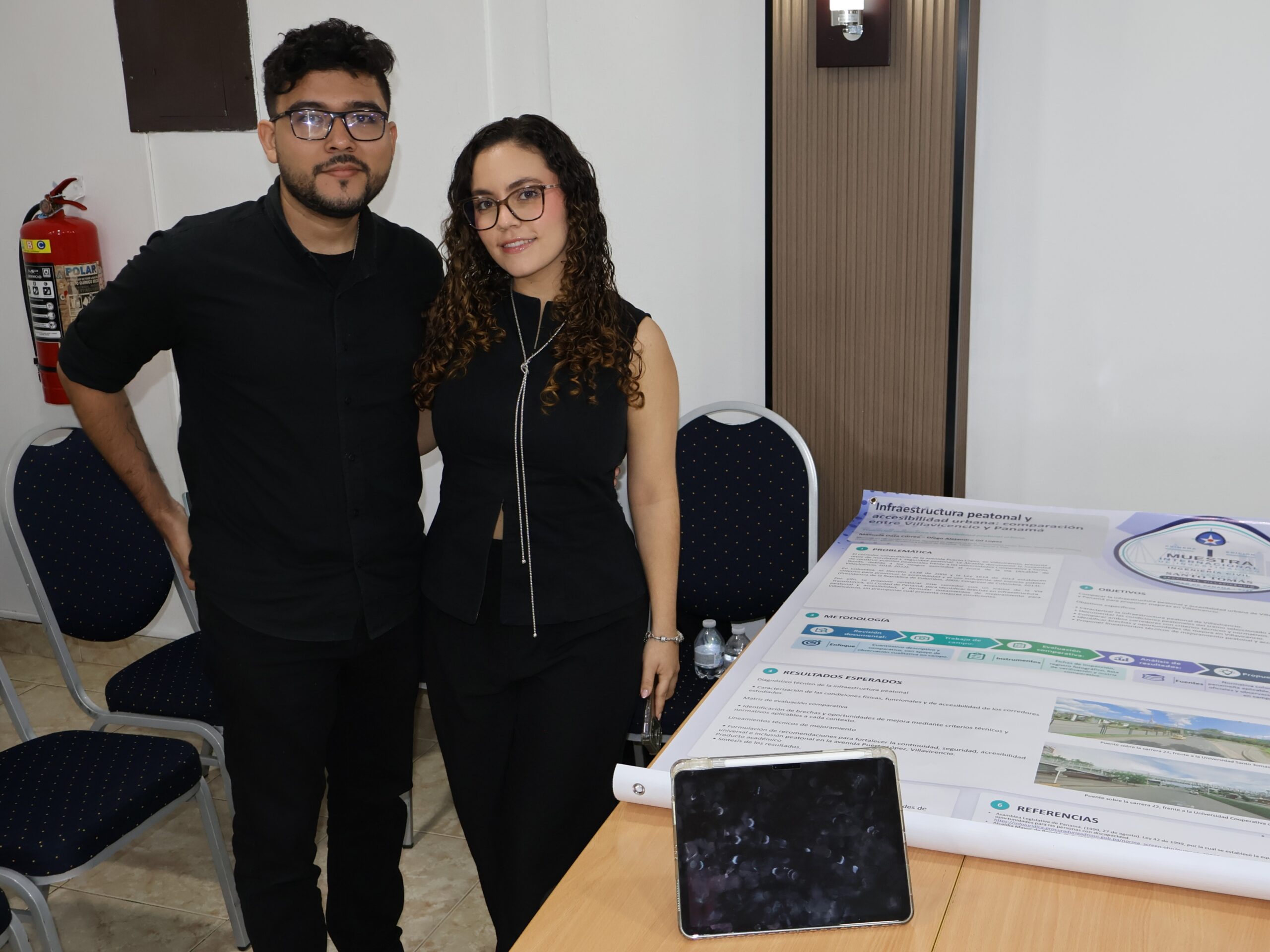
One of the highlights was the evaluation of the posters of the International Research Exhibition of the Santo Tomás University, Villavicencio branch, a space that allowed to showcase the research work of the participants, share experiences and promote academic dialogue between both universities.
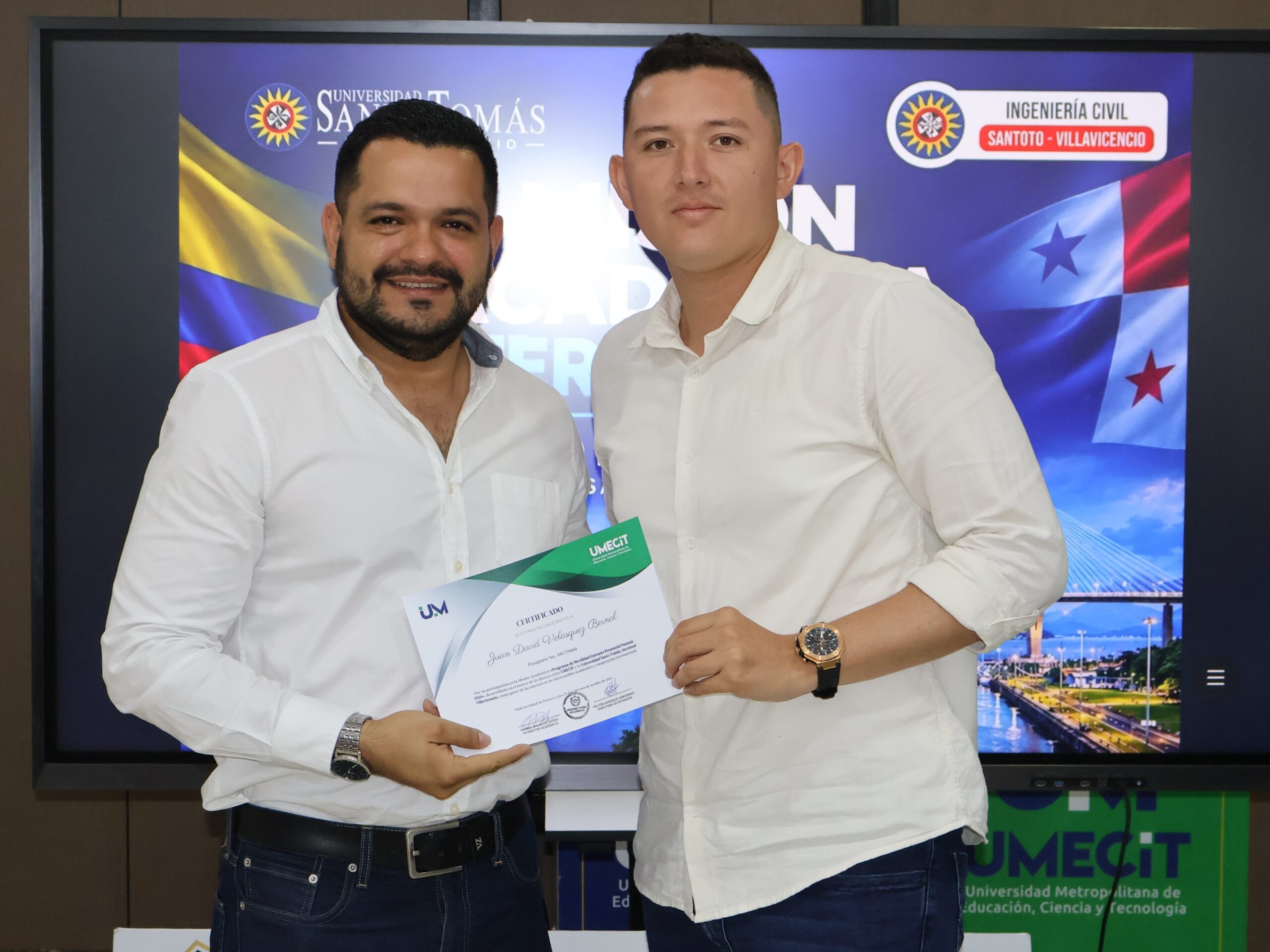
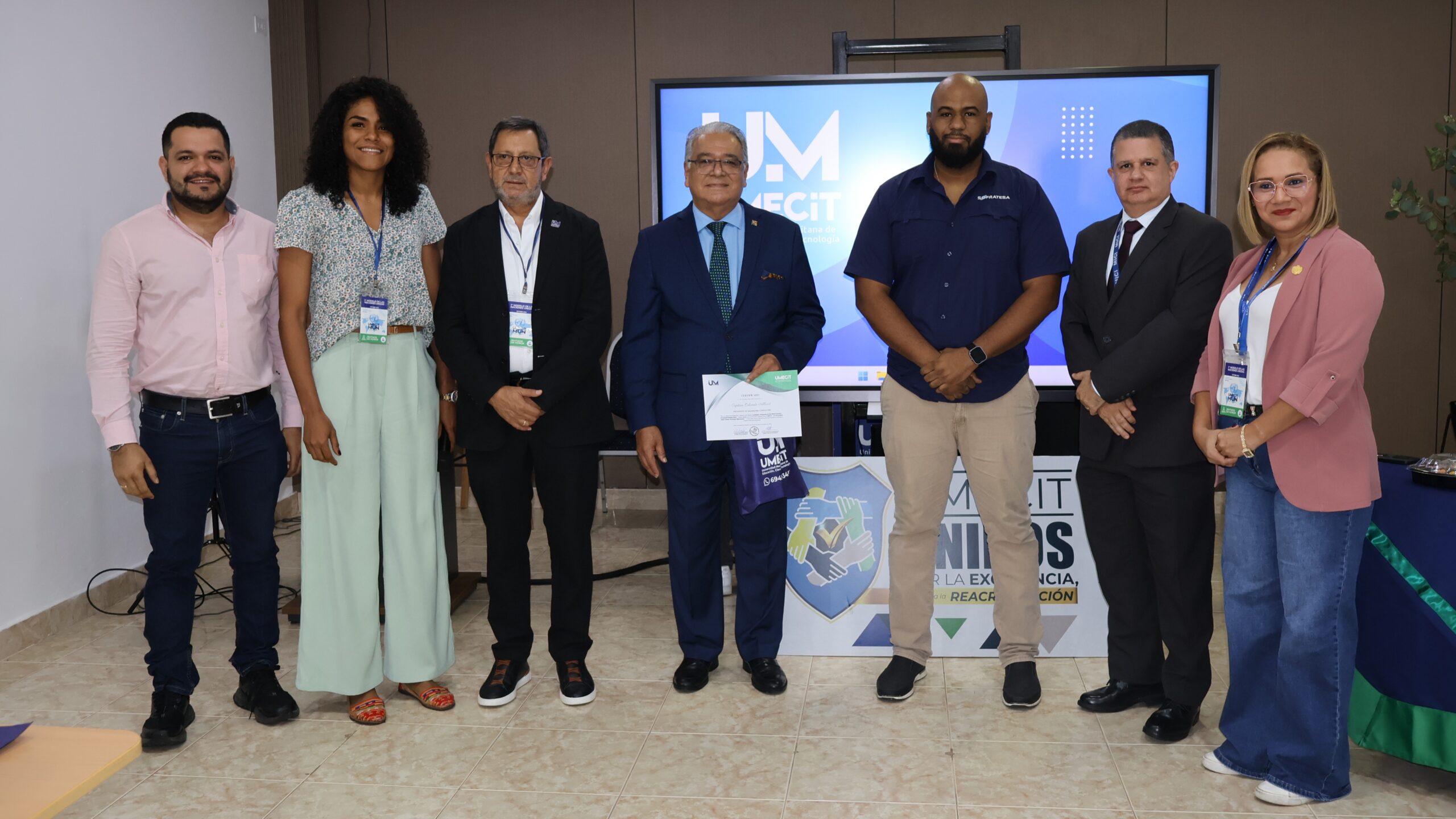
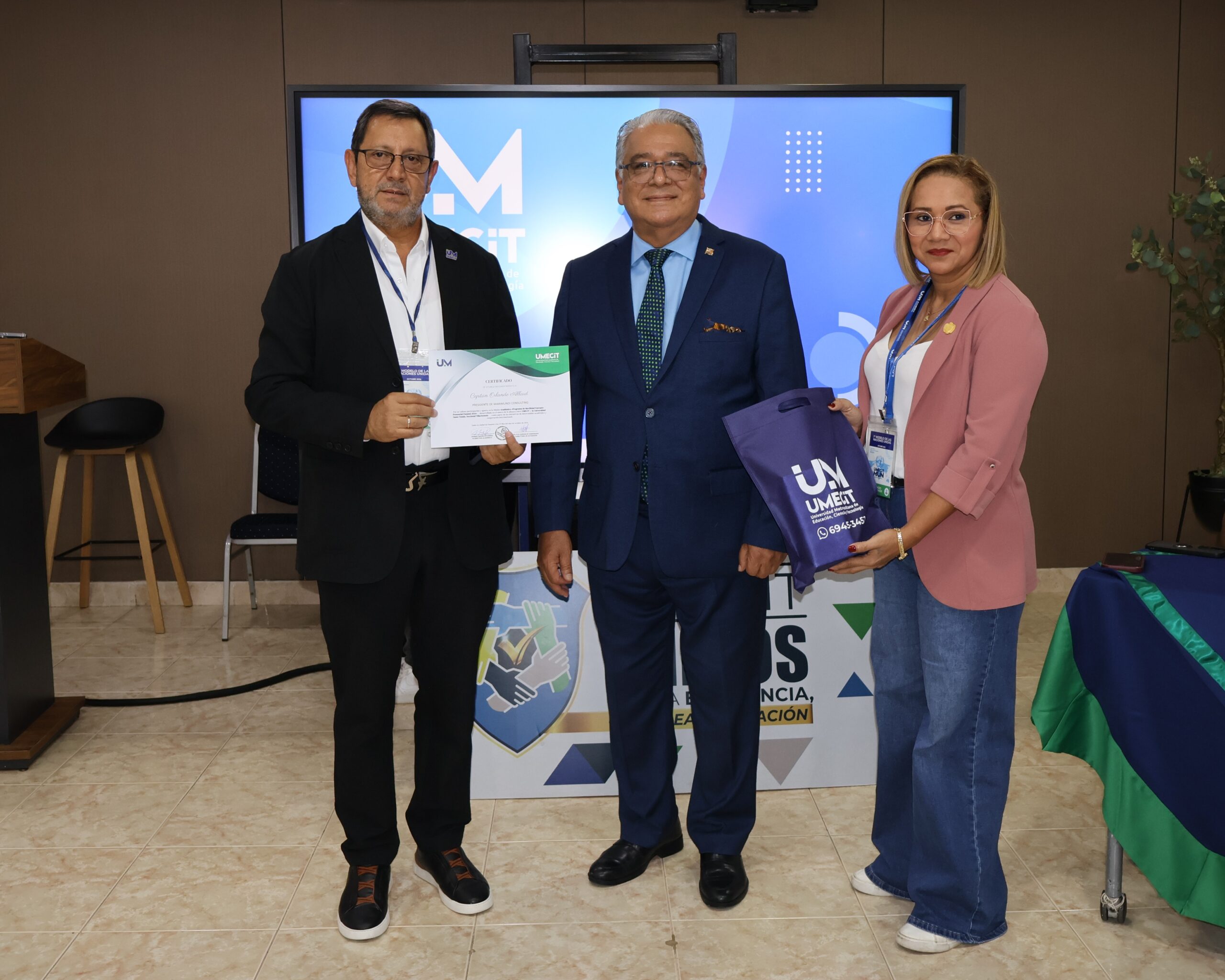
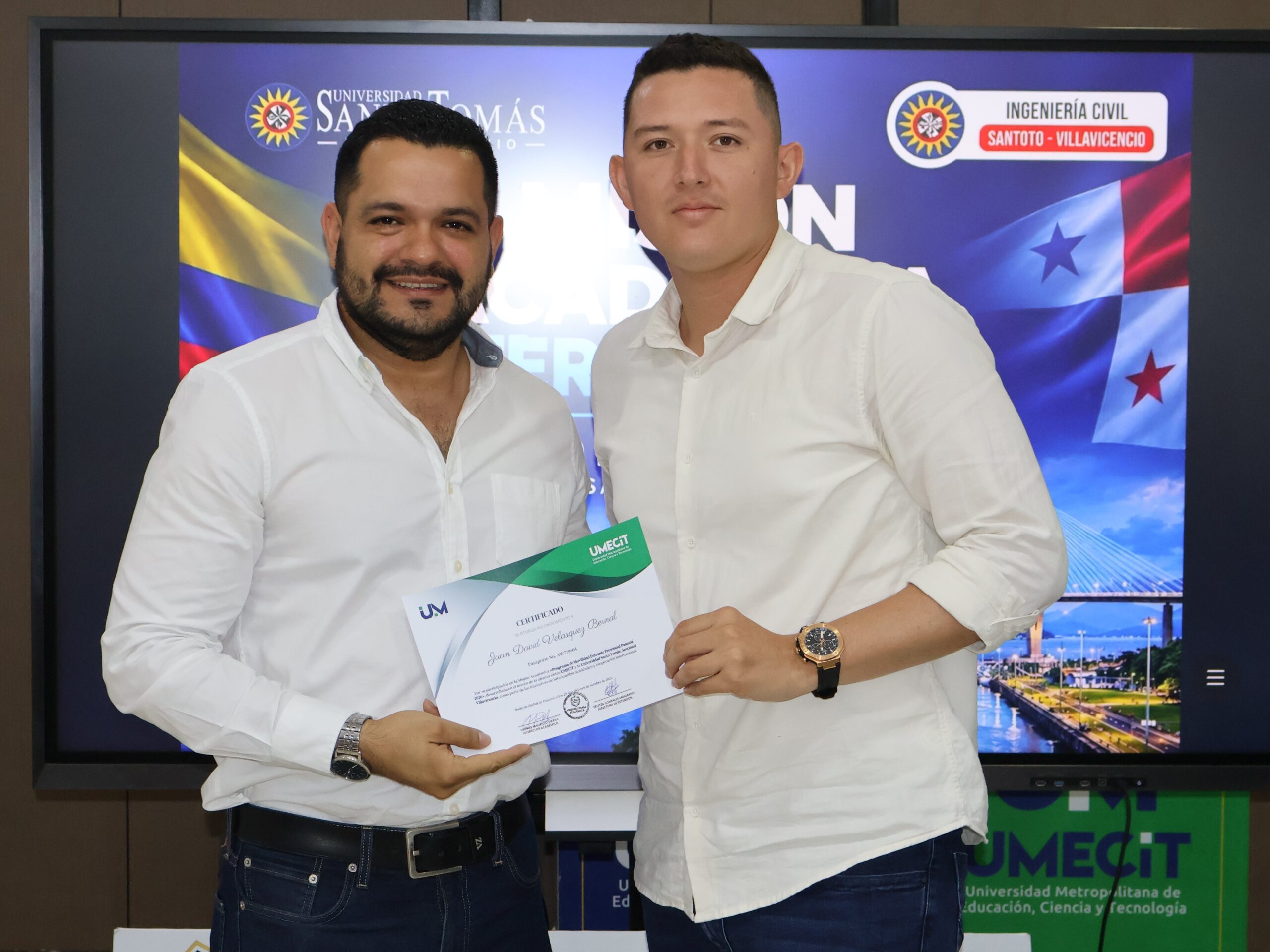
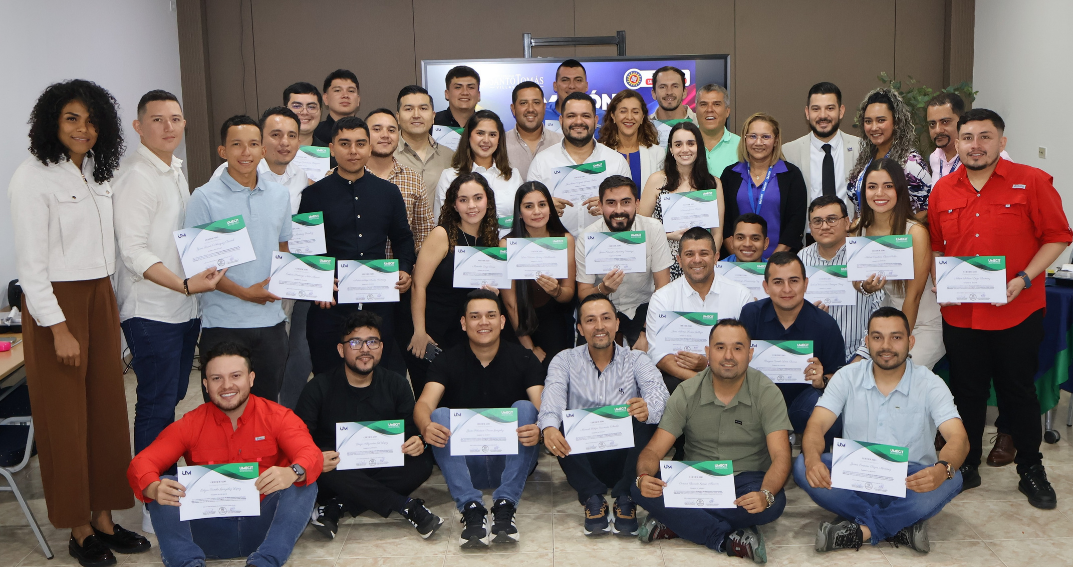
The mission concluded with a certificate presentation ceremony by UMECIT authorities, in recognition of those who were part of this international training and integration experience.
An experience that connects knowledge and opportunities
Beyond the technical visits and conferences, the UMECIT–USTA 2026 International Academic Mission represented an opportunity to bring students and teachers closer to real scenarios of knowledge application, learn about the experiences of professionals linked to strategic sectors, and establish academic links between Panama and Colombia.
Through these initiatives, UMECIT continues to promote the internationalization of higher education, academic mobility and research, generating learning opportunities that complement classroom training and contribute to preparing professionals capable of responding to the challenges of an increasingly dynamic and interconnected environment.