
We celebrated the 25th Research Conference in Santiago
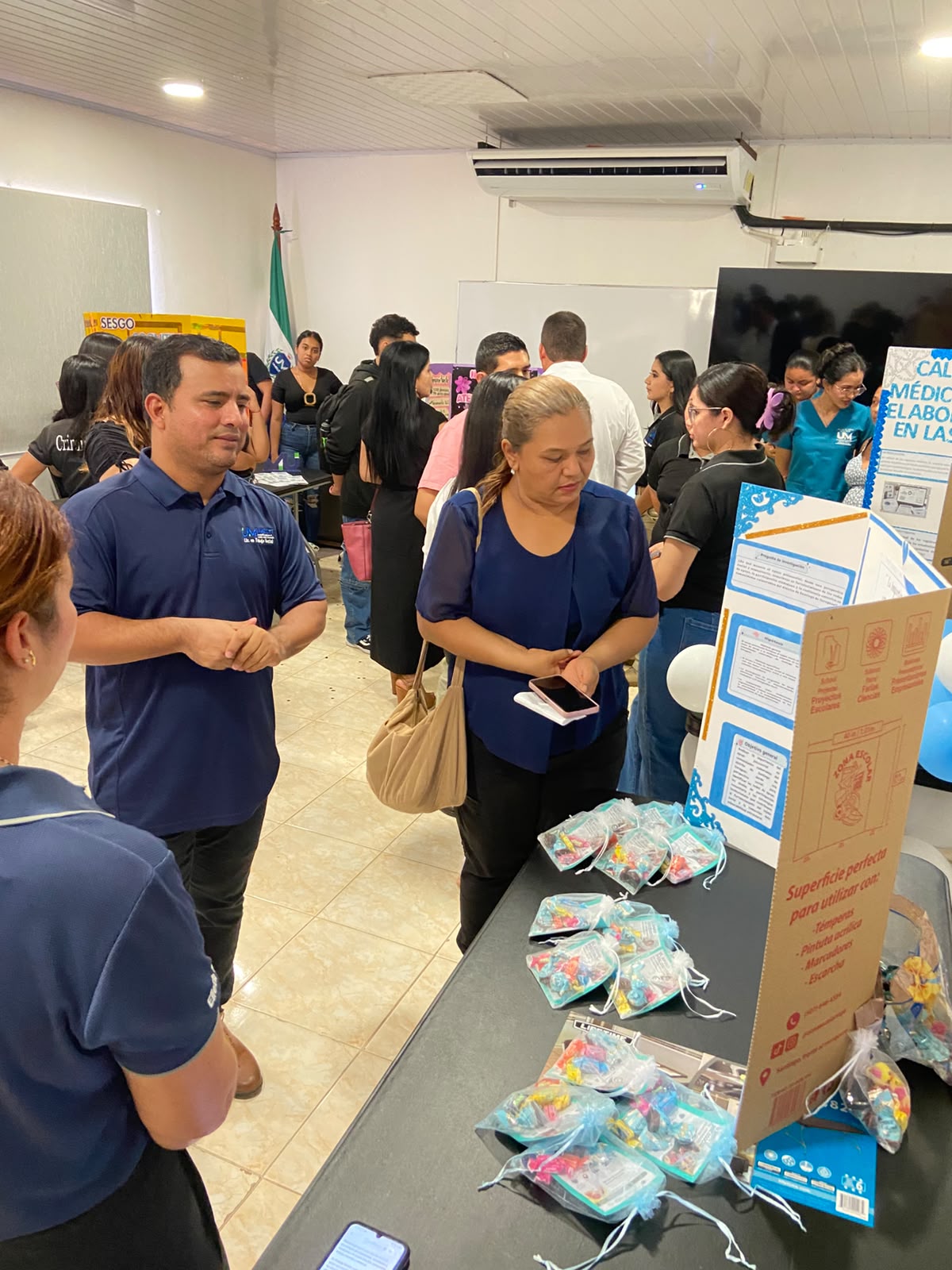
The Santiago campus held its 25th Research Conference on Saturday, August 8th, an academic event dedicated to the presentation, dissemination, and evaluation of research projects developed by students from the various subjects and programs that make up the campus's academic offerings.
The event brought together 22 research projects, highlighting the diversity of knowledge areas from which students are addressing problems, challenges and opportunities linked to the national context.
The projects presented were submitted by students from the Bachelor's Degree in Occupational Safety and Health; Bachelor's Degree in Maritime and Port Administration; Bachelor's Degree in Logistics and Multimodal Transport; Bachelor's Degree in Environmental Administration; Bachelor's Degree in Medical Records; Bachelor's Degree in Social Work; Bachelor's Degree in Physical Education; Bachelor's Degree in Criminalistics and Forensic Sciences; Electrical Engineering Technician; and Bachelor's Degree in Law and Political Science.
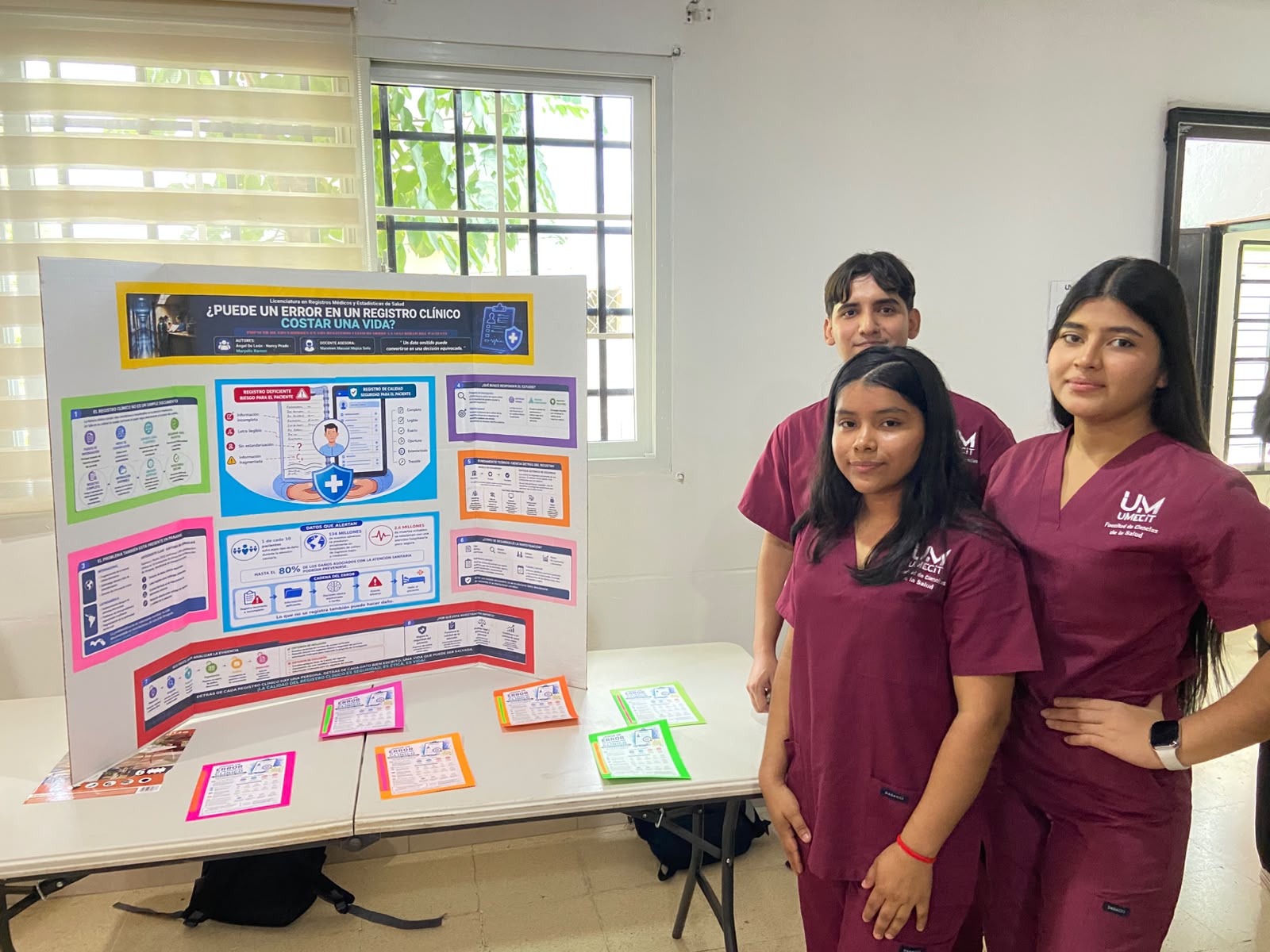
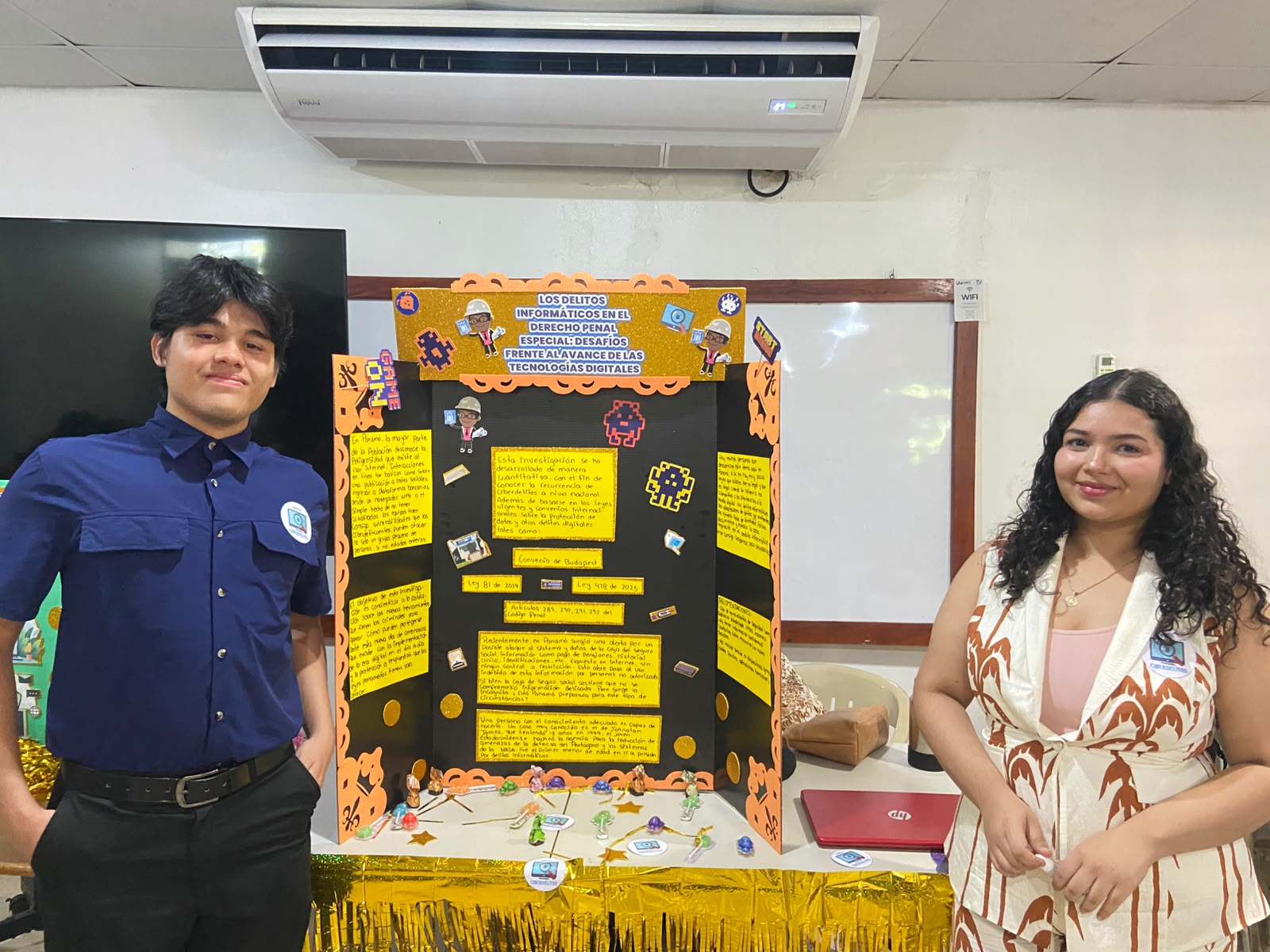
The diverse range of topics covered by the projects allowed for the exploration of issues of interest to various sectors of society. Among the research presented were analyses of subjects related to enterprise risk management, maritime trade, economics and cost of living, digitalization of transportation, wastewater treatment, quality of medical records, patient safety, psychosocial support, victim recovery, criminalistics, artificial intelligence, forensic anthropology, electrical systems, environmental pollution, technical education, and the digital transformation of the legal field, among others.
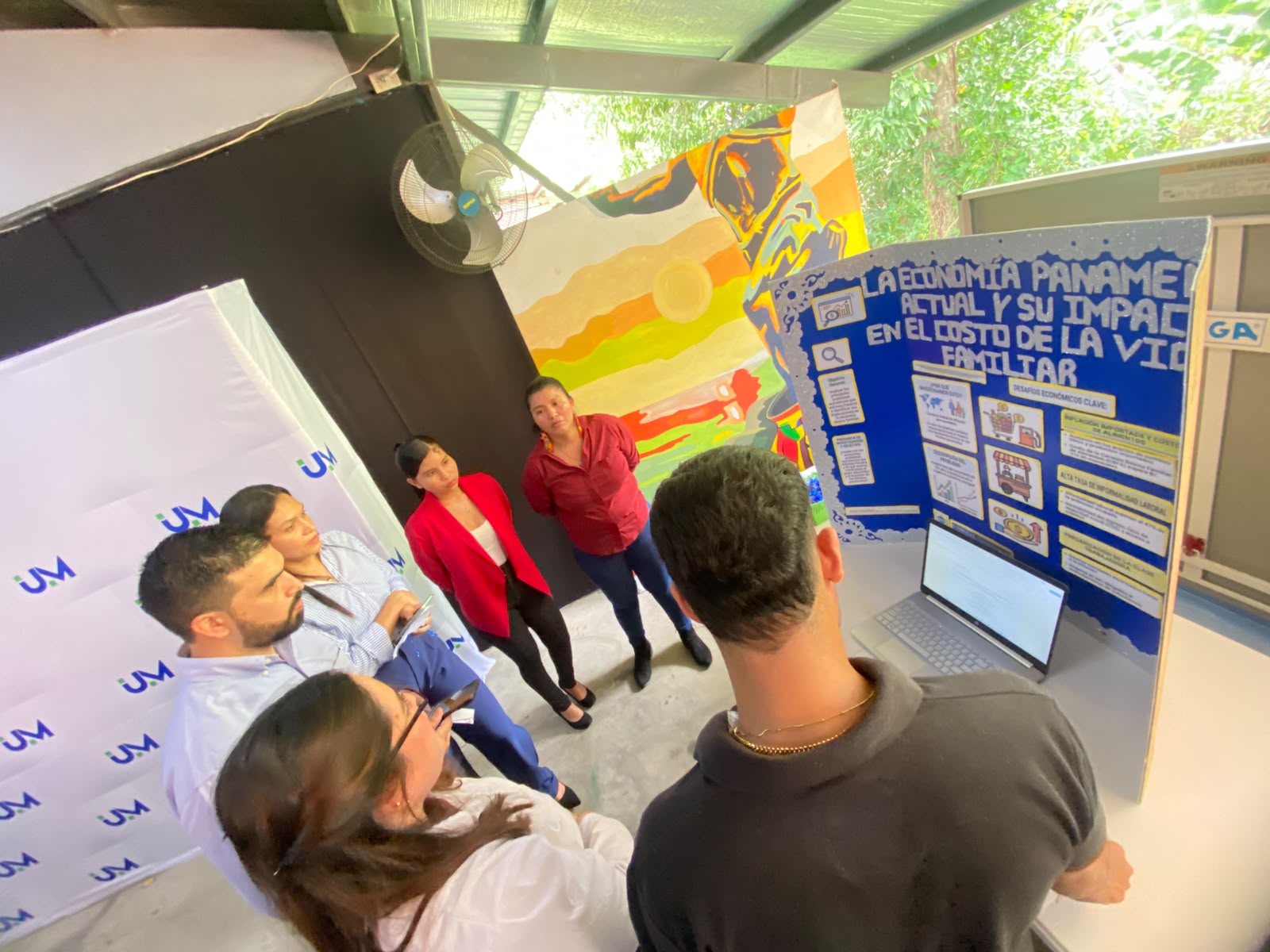
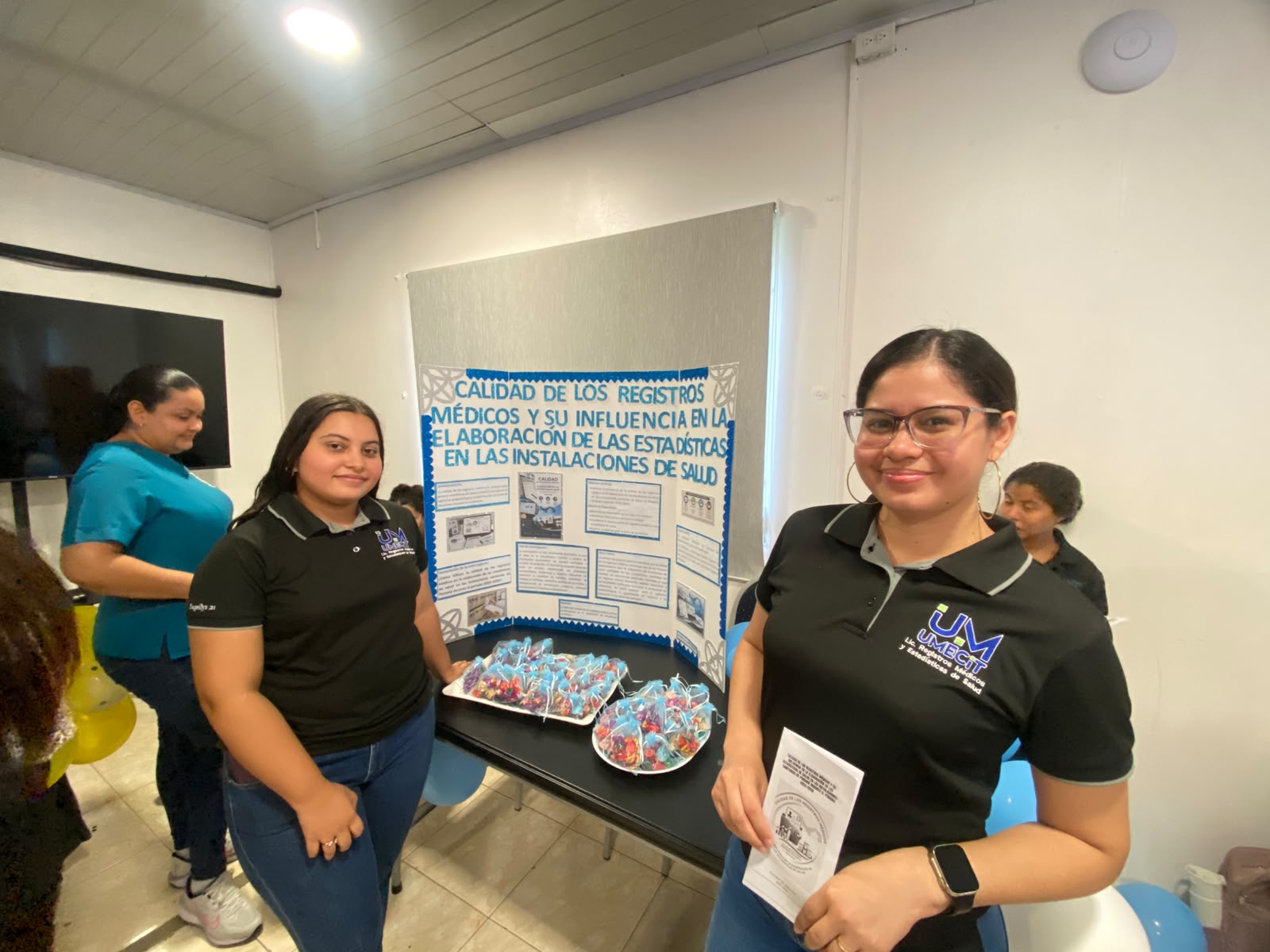
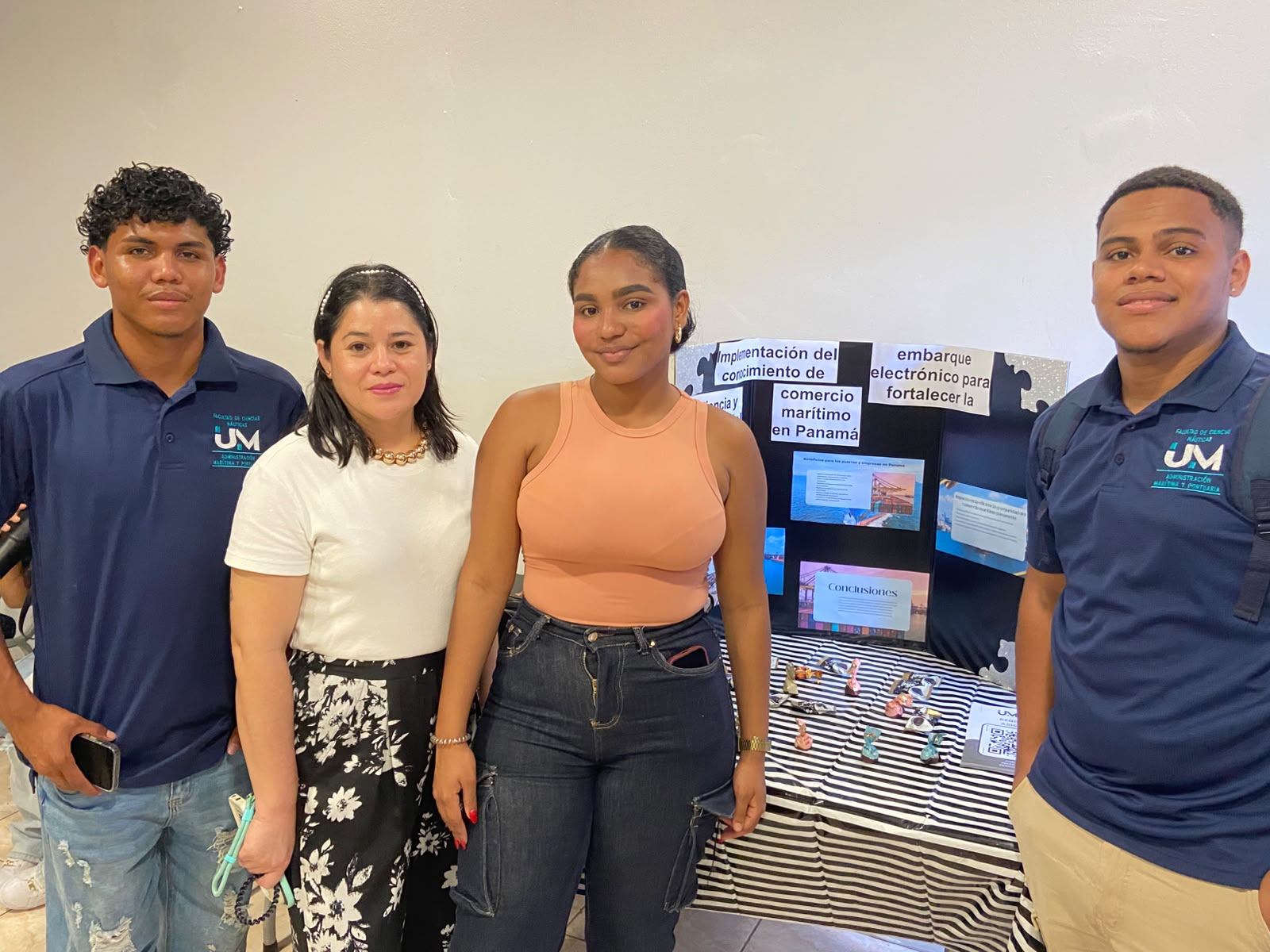
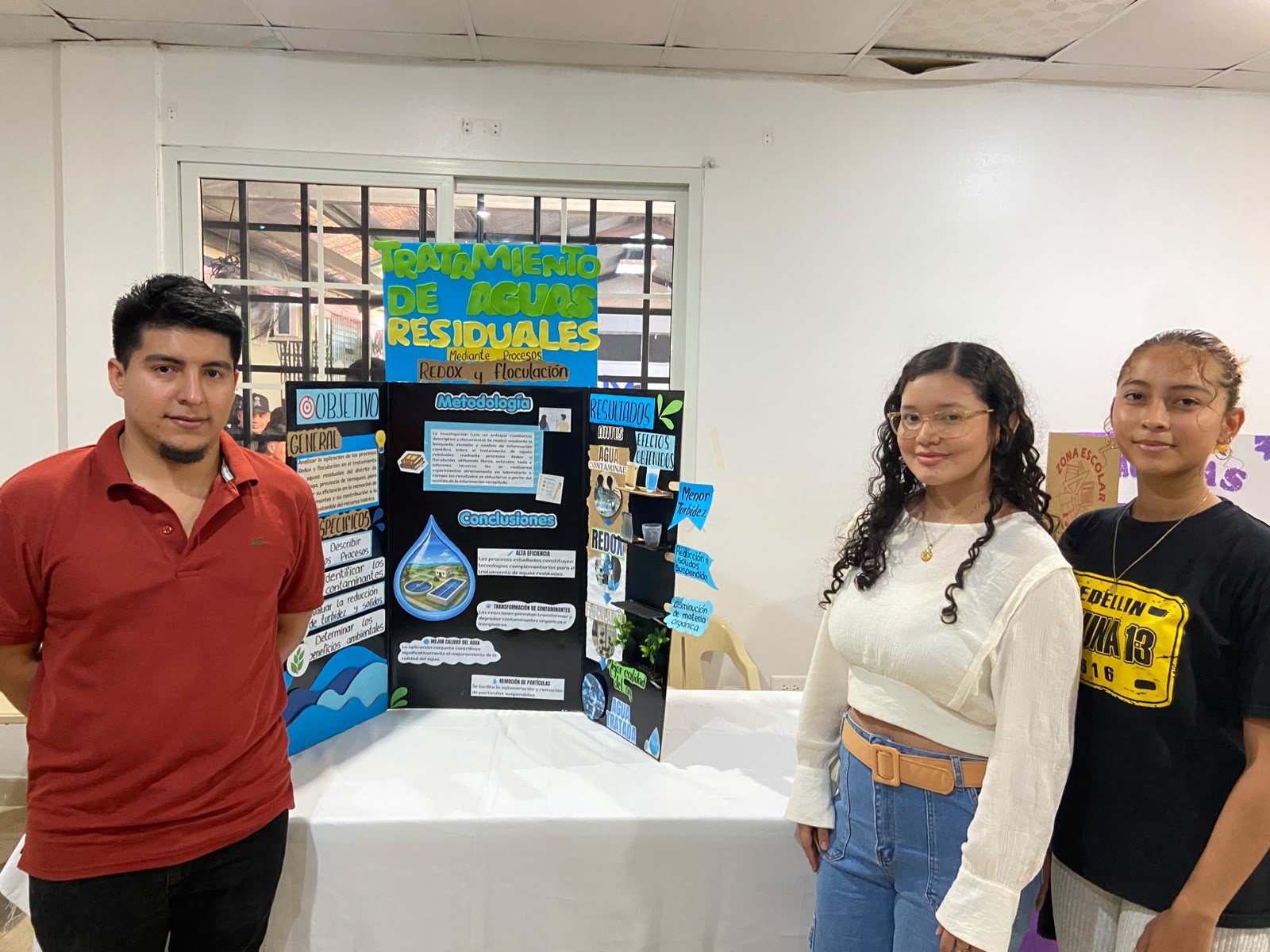
Among the works presented, the following stood out: “SIL Analysis for Risk Management at Shell,” “Implementation of Electronic Bills of Lading to Strengthen the Efficiency and Security of Maritime Trade in Panama,” “Current Panamanian Economy and its Impact on the Cost of Living for Families,” “Wastewater Treatment through Redox and Flocculation Processes,” and “Quality of Medical Records and their Influence on the Preparation of Health Statistics in Sanitary Facilities in Panama.”.
Proposals related to the social and health fields were also presented, such as "Importance of psychosocial support in vulnerable communities of Santiago" and "Transforming bonds, strengthening communities: psychosocial contributions of Social Work".
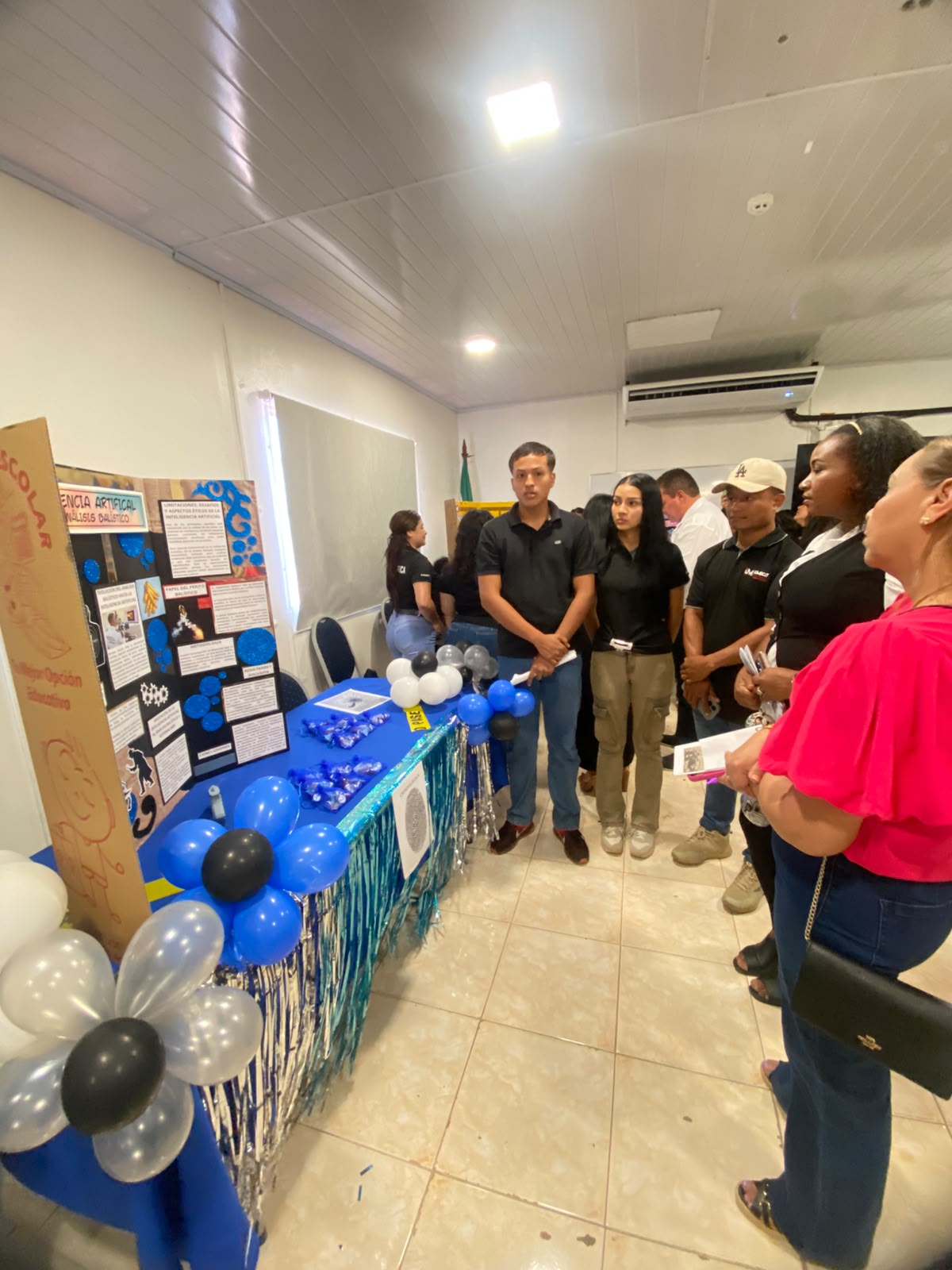
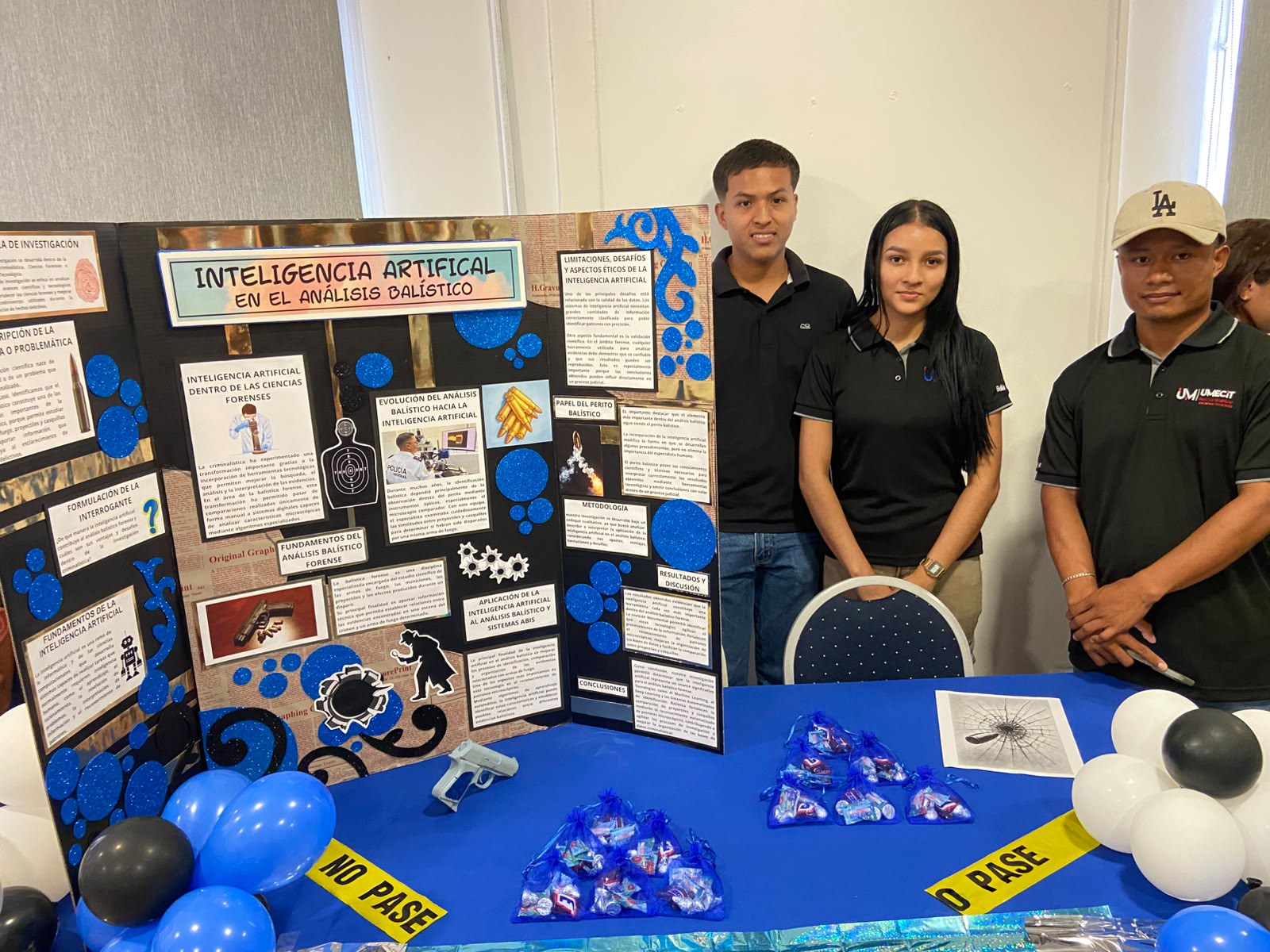
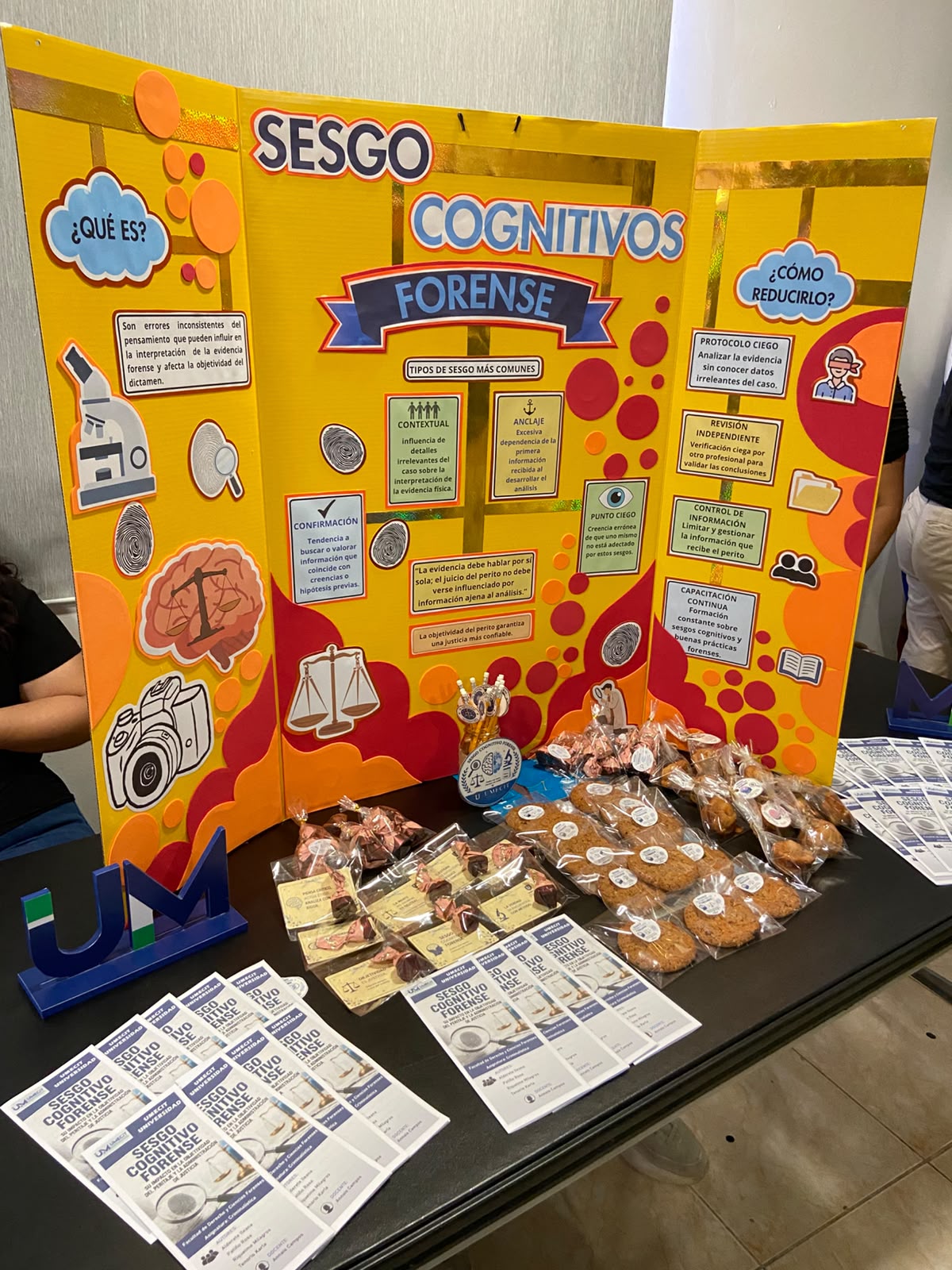
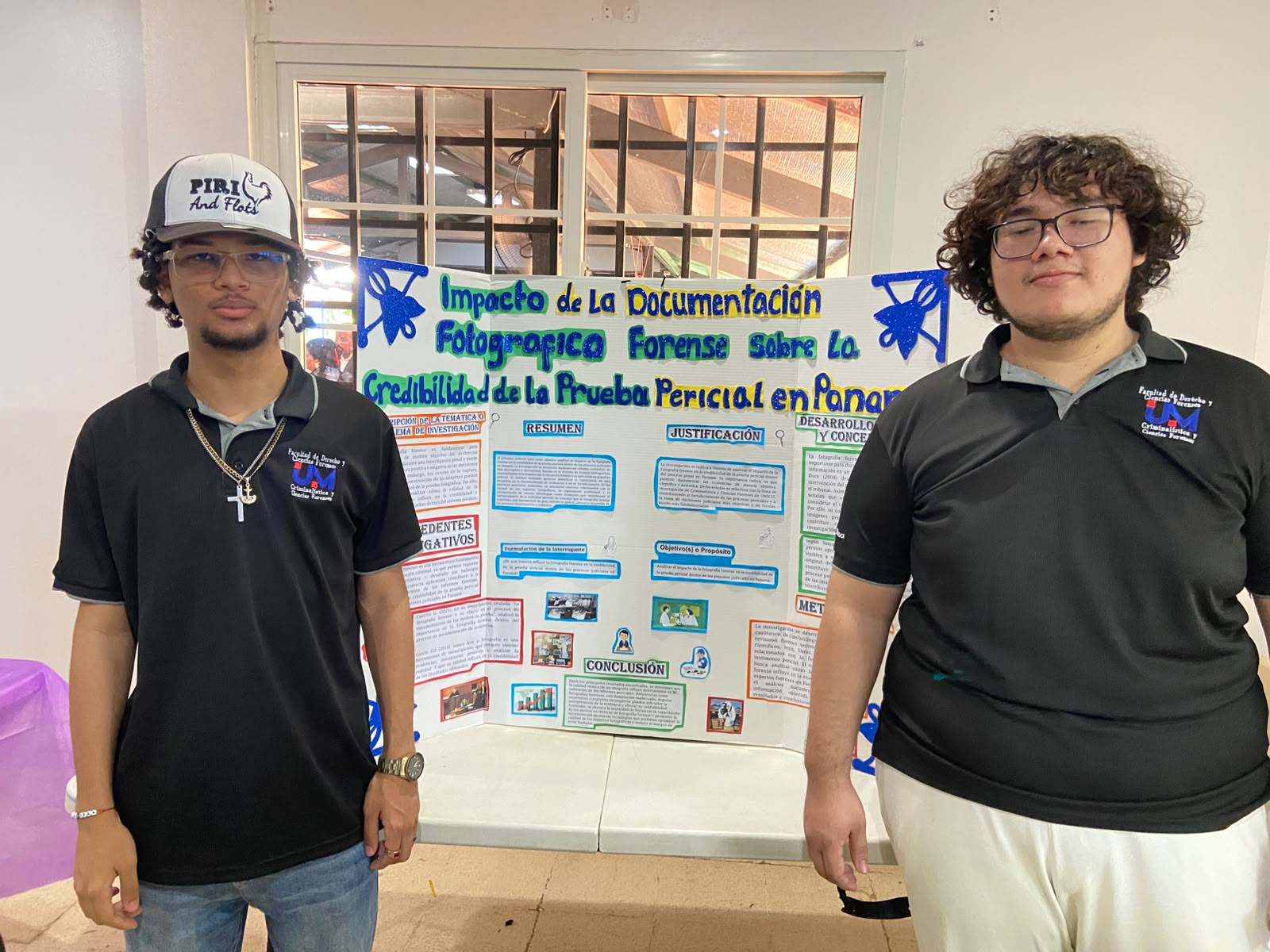
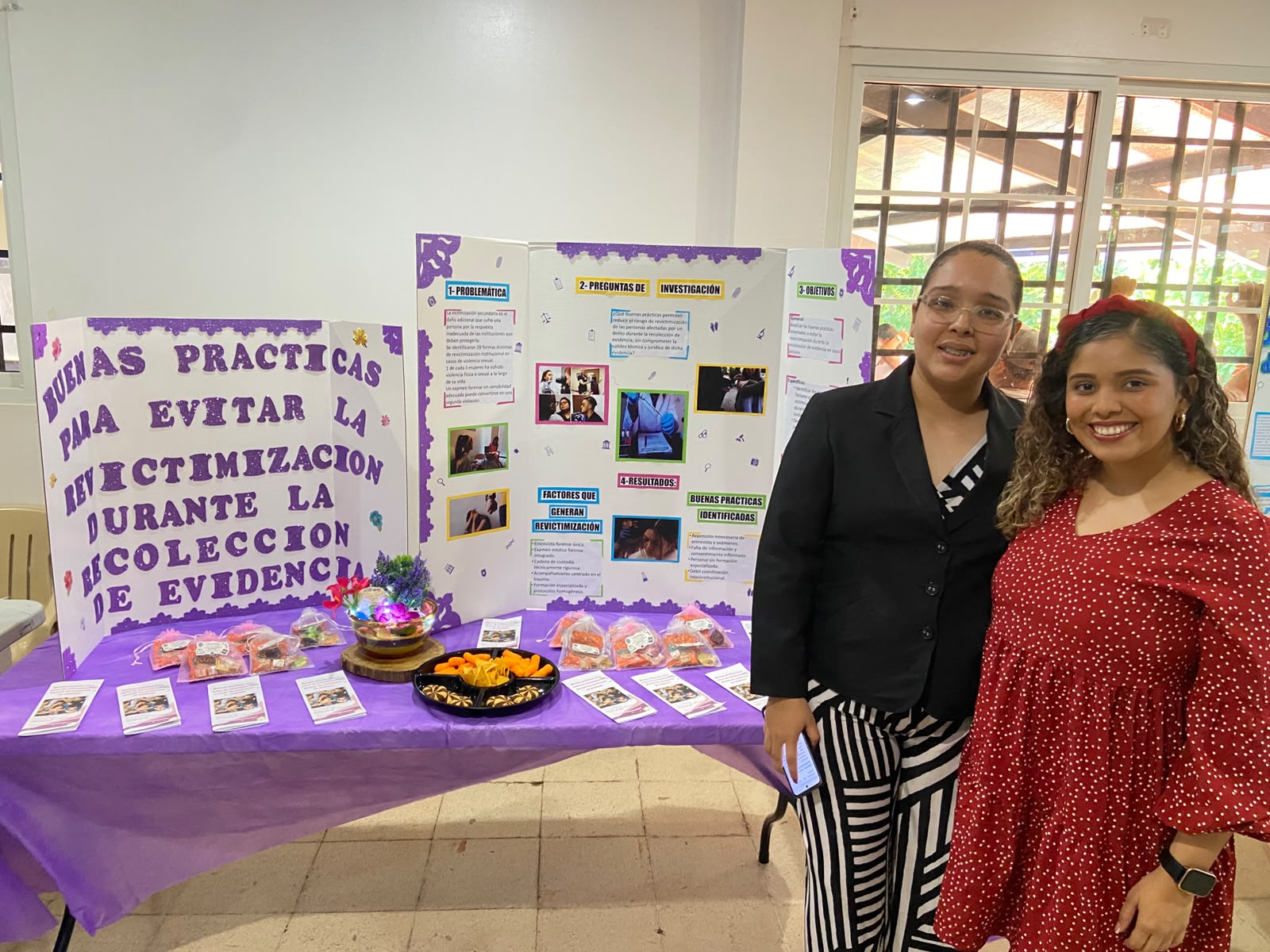
In the field of Criminalistics and Forensic Sciences, topics such as psychological care for rape victims, revictimization during evidence collection, forensic cognitive bias, forensic photographic documentation, the application of artificial intelligence to ballistic analysis, and forensic anthropology in human identification were addressed.
Meanwhile, the projects in the Electrical Engineering area explored aspects related to the design and validation of test benches for higher education, the behavior of high voltage insulators in the face of environmental pollution, and the use of computer-aided design tools in technical training.
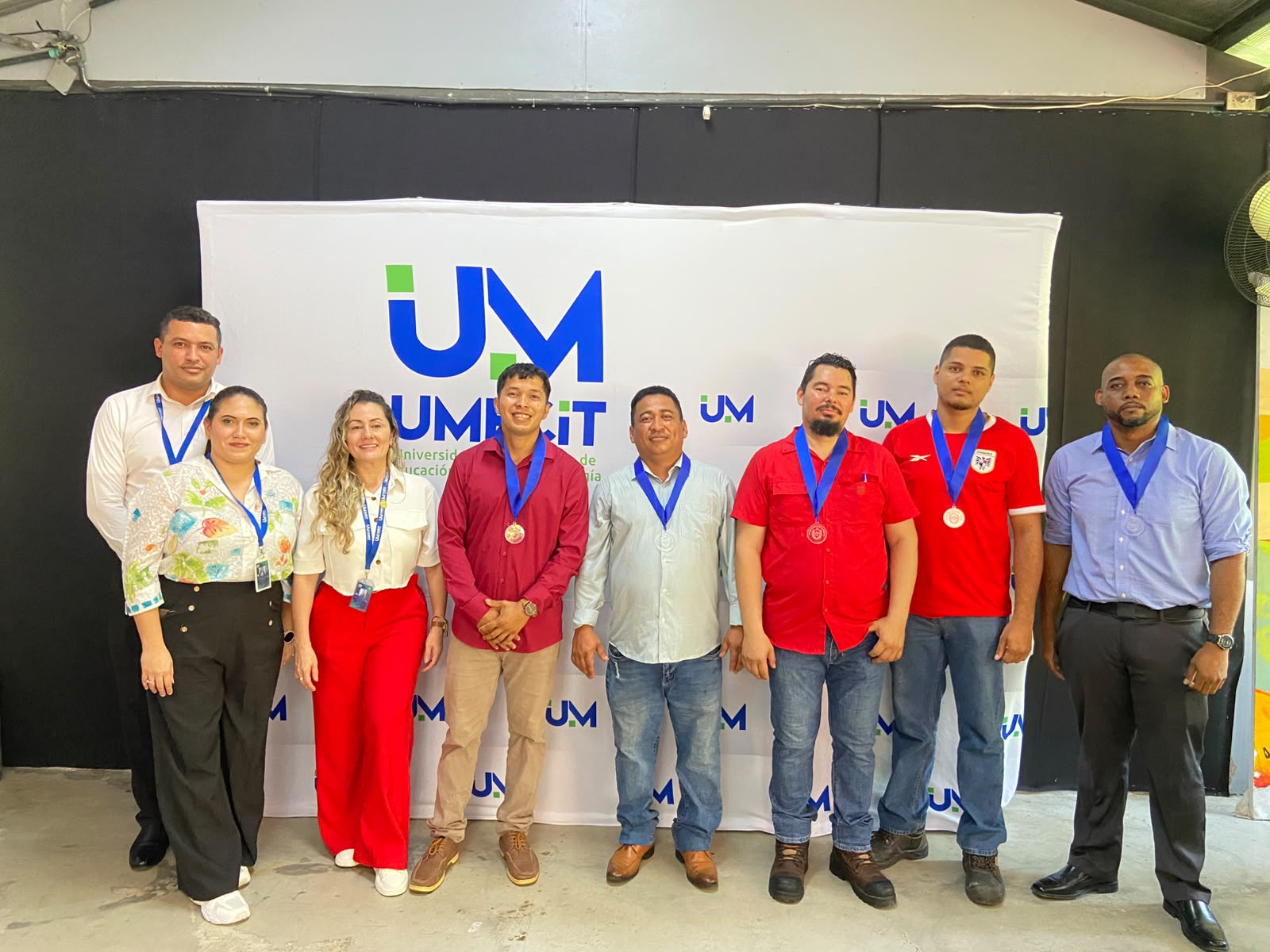
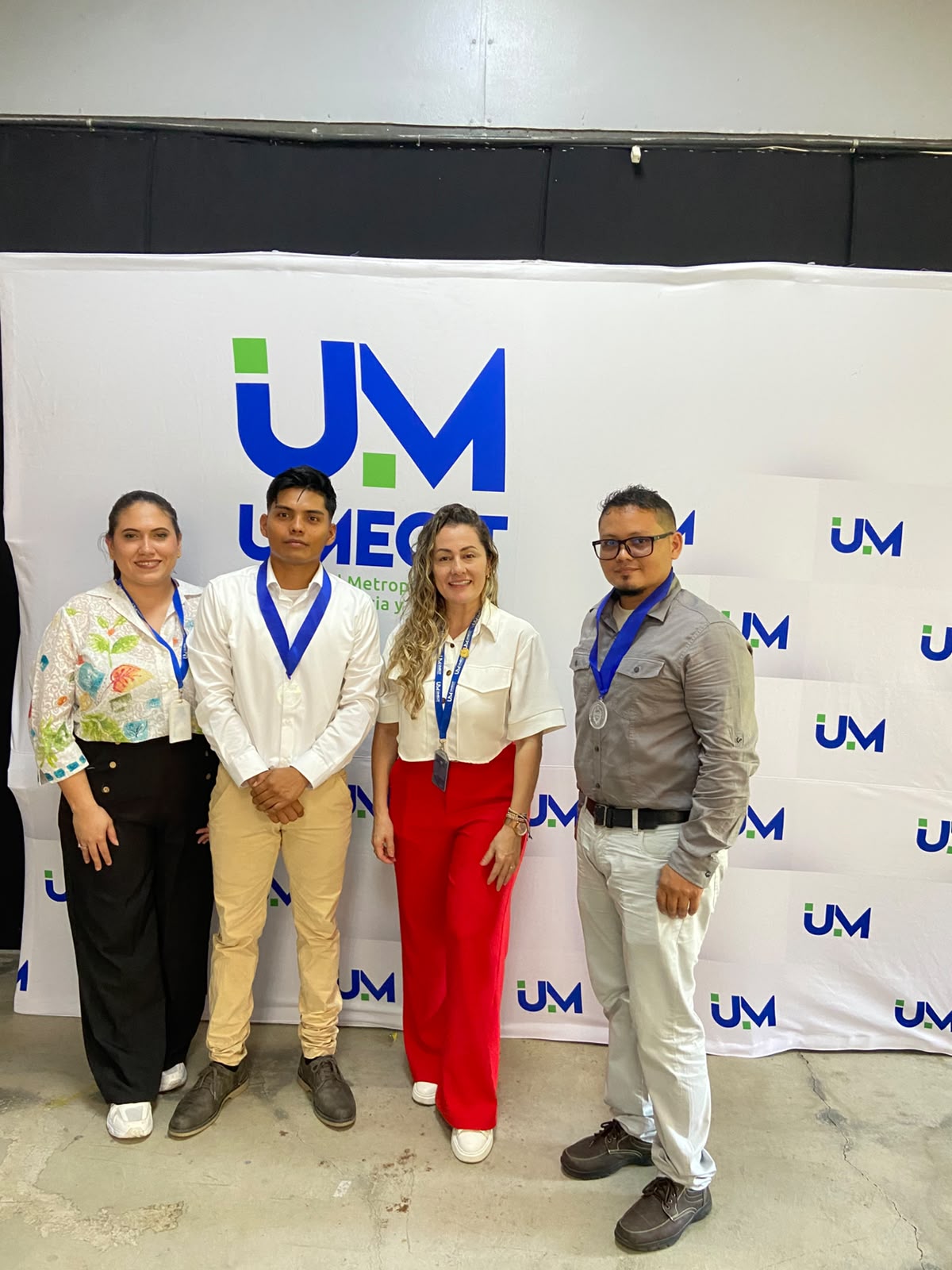
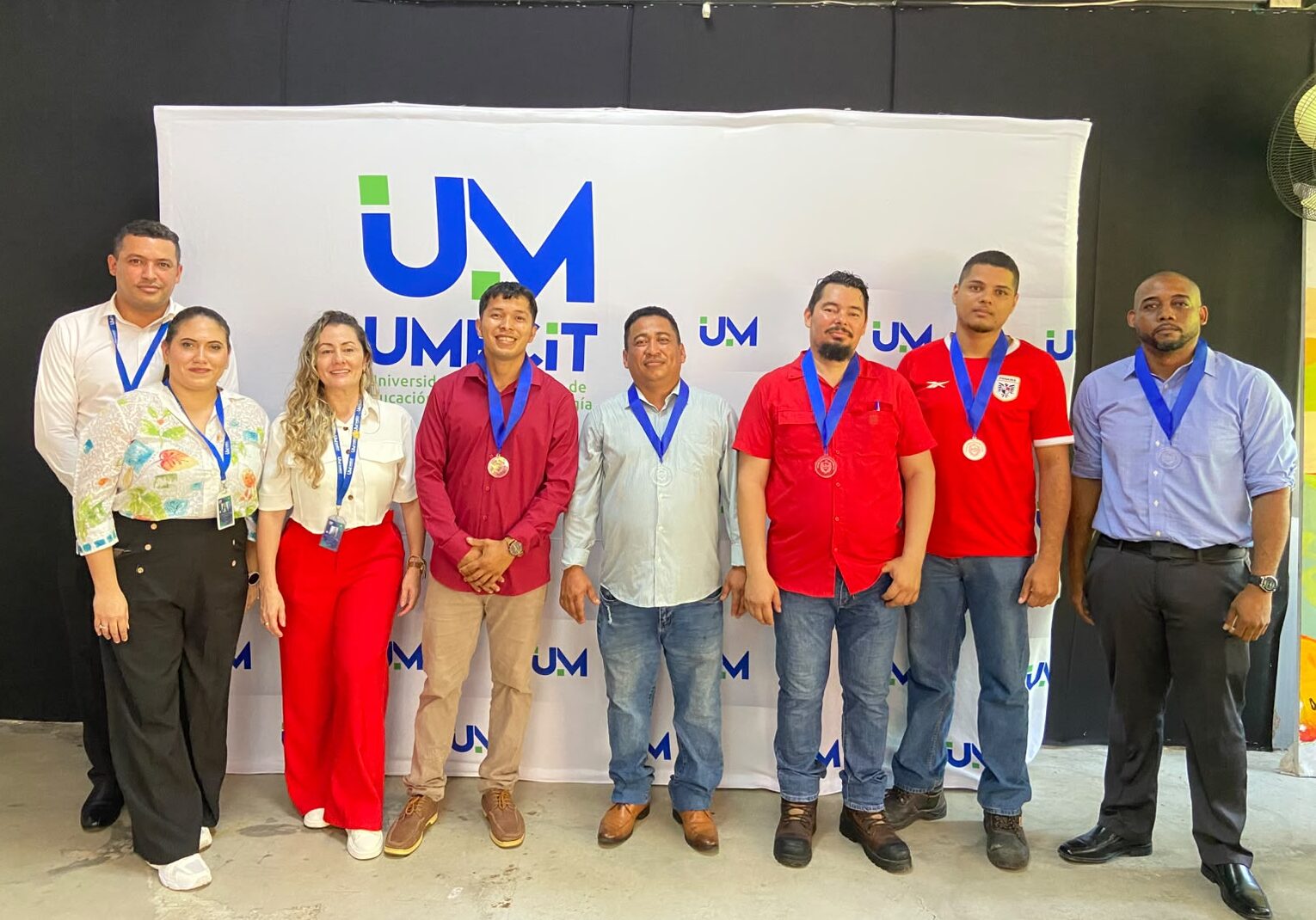
As a result of the evaluation process, the three projects with the highest ratings during the day were recognized.
The first place was awarded to the project “Design and validation of a test bench for practices of electrical machines and systems in higher education”, developed by students Felipe Castillo, Abdiel Sánchez and Haset Castillo, from the Electrical Engineering Technician career, in the subject Workshop and Practices of Plants and Substations, under the tutoring of the teacher Rubén Stward.
Second place went to the project “Influence of environmental pollution on the performance of high voltage insulators in tropical regions”, presented by students Anthony Bonilla and Pacífico Cárdenas, from the Electrical Engineering Technician program, in the subject High Voltage Installations, under the tutelage of teacher Abel Rodríguez.
Third place went to the project “Artificial Intelligence in ballistic analysis”, developed by students Belkis Castillo, Richard Olivero and Carlos Ruíz, from the Bachelor's Degree in Criminalistics and Forensic Sciences, in the subject Criminalistics I, under the tutoring of the teacher Annis Campos.
Beyond the awards, the day allowed for an appreciation of the work done by each of the participating teams and the support of the tutor teachers, who, from the different subjects, guide the students in the development of their research proposals.
The holding of the XXV Research Conference reaffirms the importance of creating spaces where students can move from theoretical review to formulating questions, analyzing problems, and building proposals from their respective professional areas.
These meetings also allow them to strengthen essential skills for their future performance, such as information search and analysis, argumentation skills, critical thinking, scientific communication, and the presentation of results.
For UMECIT, student research is an important part of comprehensive training, because it allows future professionals to develop a critical perspective on their environment and understand that knowledge can become a tool to analyze and provide solutions to the needs of society.