
Technology and innovation strengthen humanitarian response during academic tour to CLRAH”
A field trip to the Regional Logistics Center for Humanitarian Assistance (CLRAH) allowed Systems and Programming students to learn about real-world applications of technology in logistics management, innovation, and emergency and disaster response.
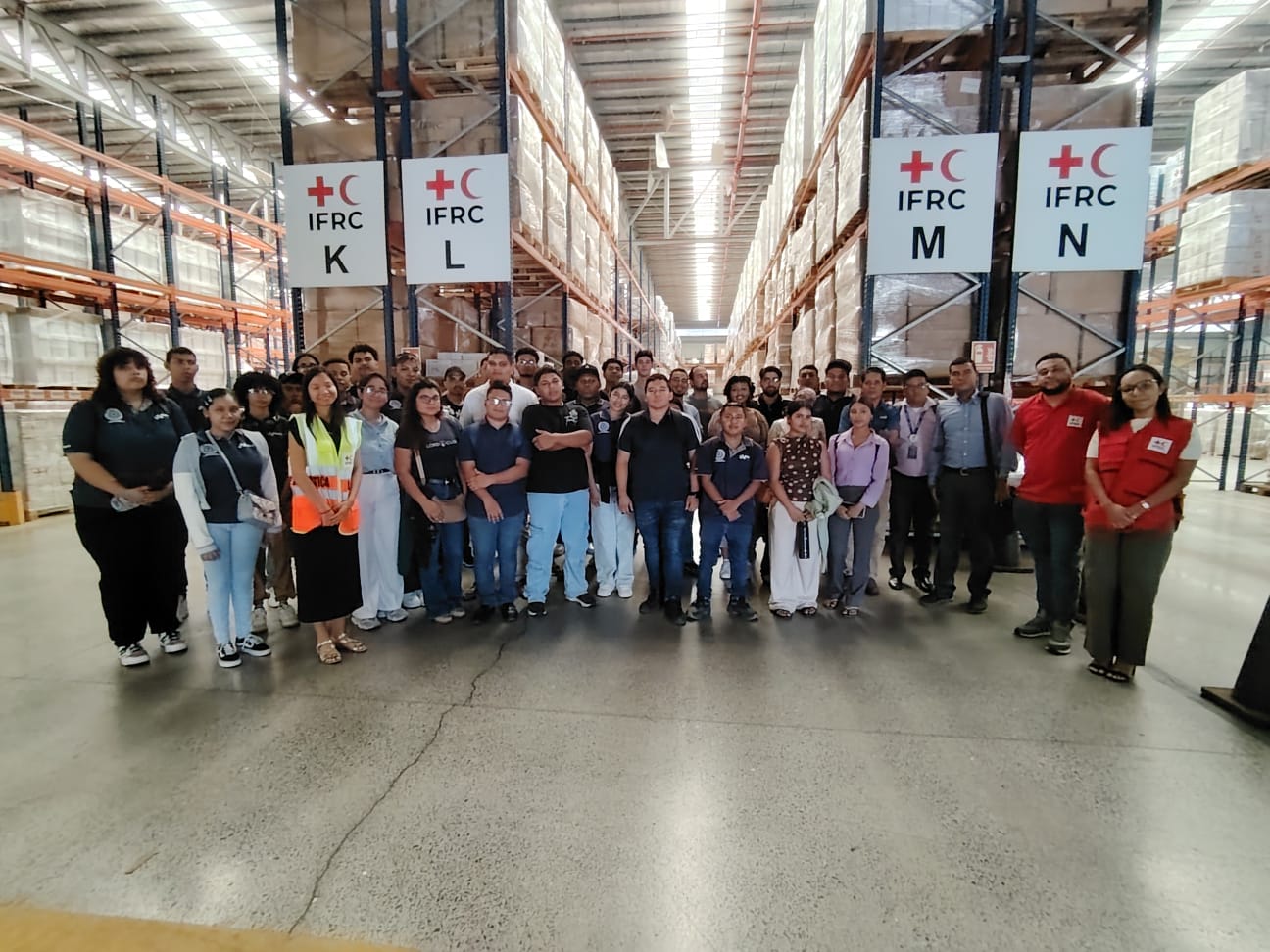
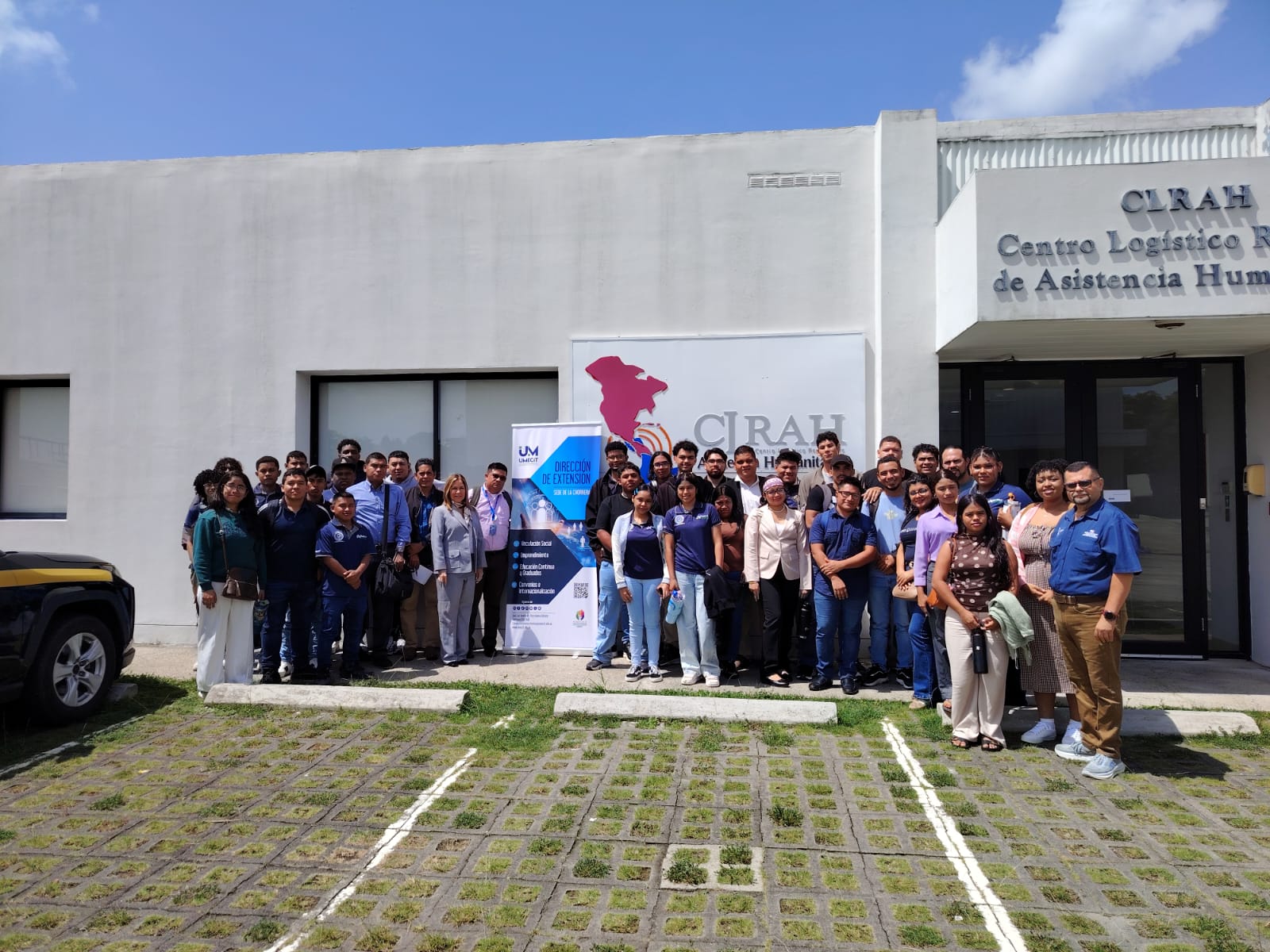
Within the framework of academic, research and university outreach activities, students of the Bachelor's Degree in Systems and Programming of UMECIT, members of the Scientific Seedbed Group and teachers from the La Chorrera campus, participated in a field trip to the Regional Logistics Center for Humanitarian Assistance (CLRAH) of Panama.
The purpose of the day was to strengthen the participants' knowledge of the role of technology, innovation and digital transformation in logistics management and humanitarian response to emergency and disaster situations.
The activity was coordinated by Mr. Alexis Del Cid, Coordinator of University Extension at UMECIT, La Chorrera campus, who managed the institutional links that made this visit possible, promoting spaces for academic cooperation and strengthening the link between the University and CLRAH.
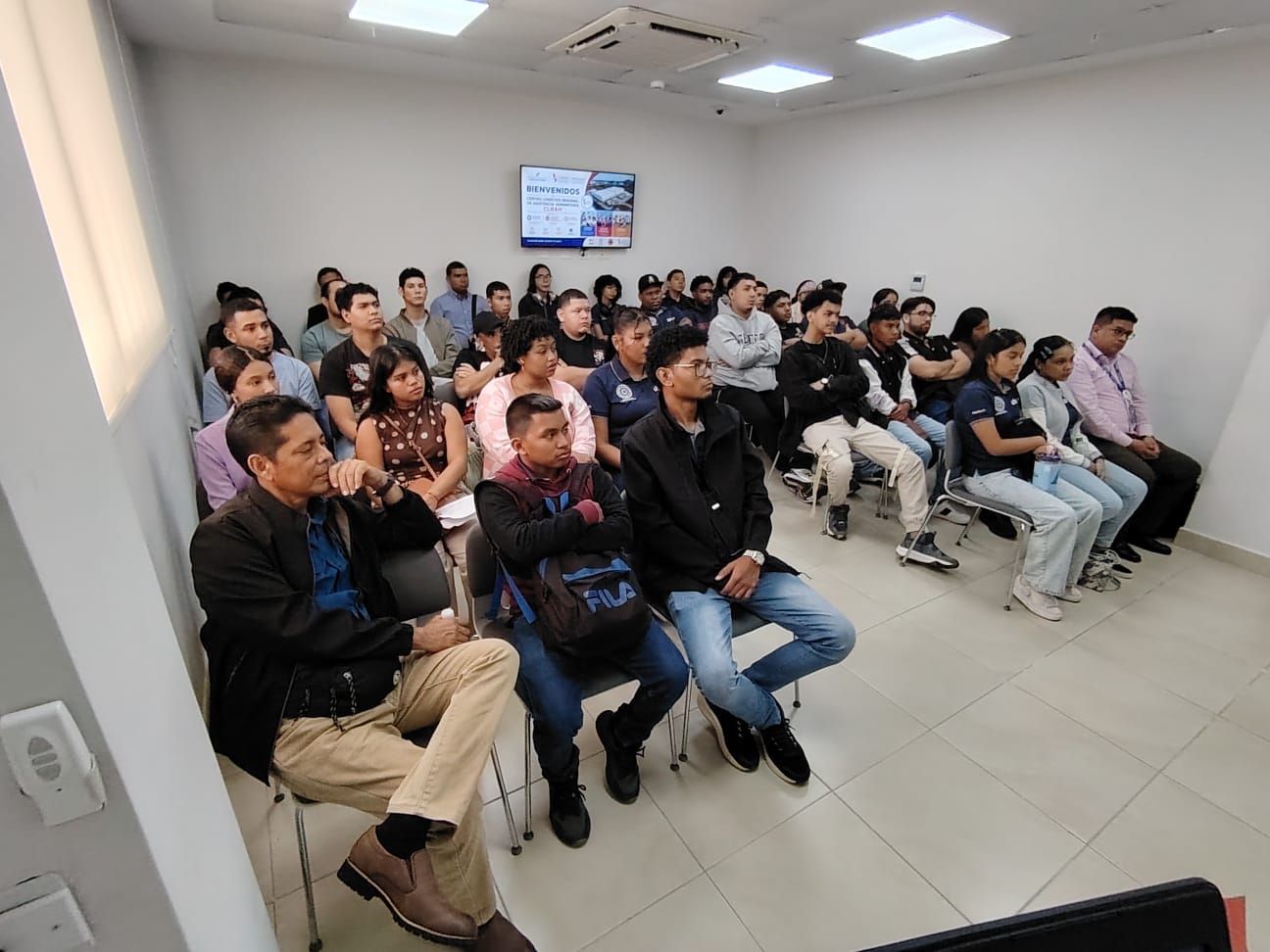
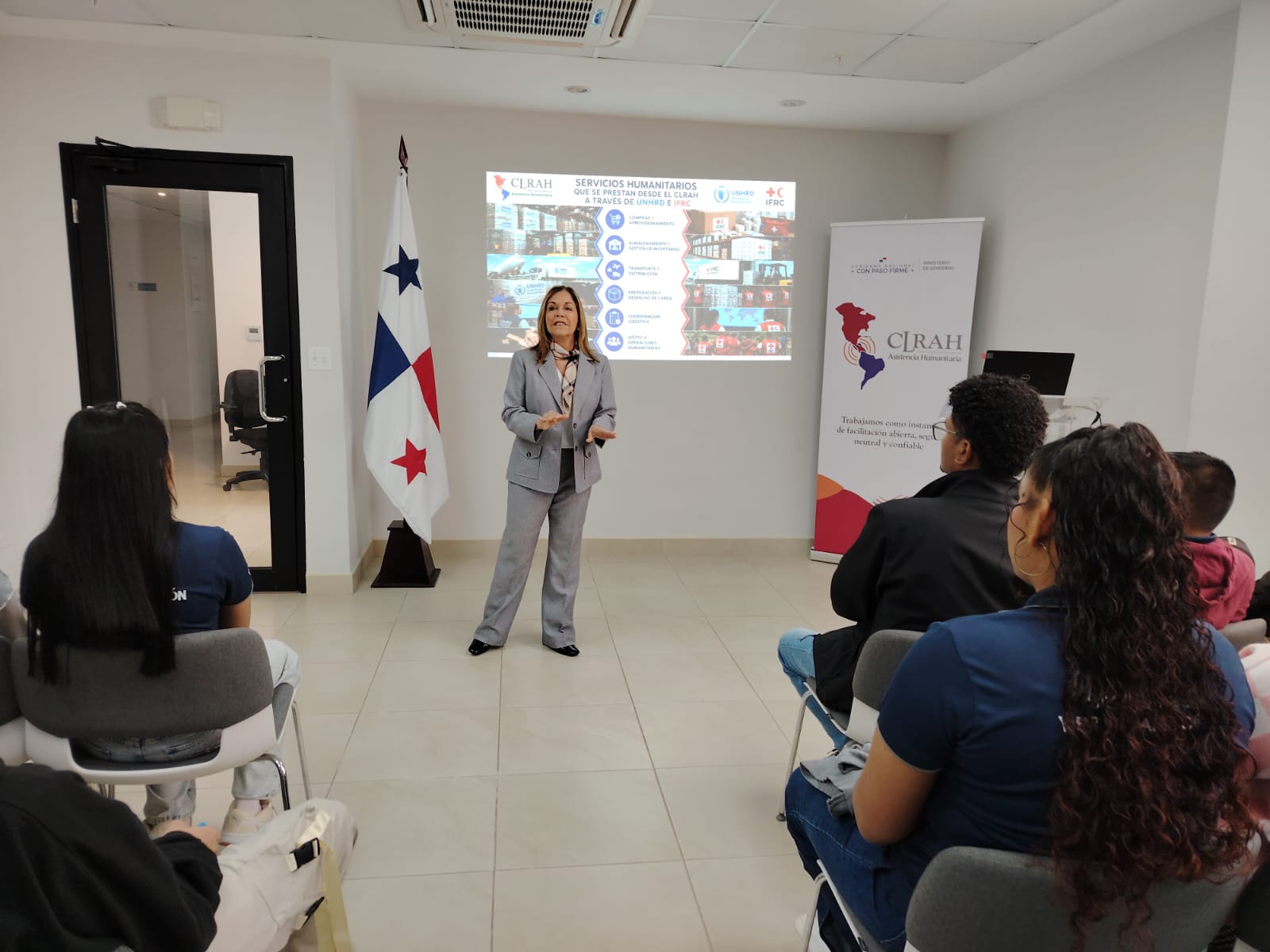
During the day, the delegation was received by Mr. Rafael Bonilla, Academic Experience Coordinator, and Ms. Holda Álvarez Clement de Marre, Executive Director of CLRAH, who shared information about the mission, operation and strategic importance of the center as a regional platform for humanitarian assistance in Latin America and the Caribbean.
Technology at the service of humanitarian response
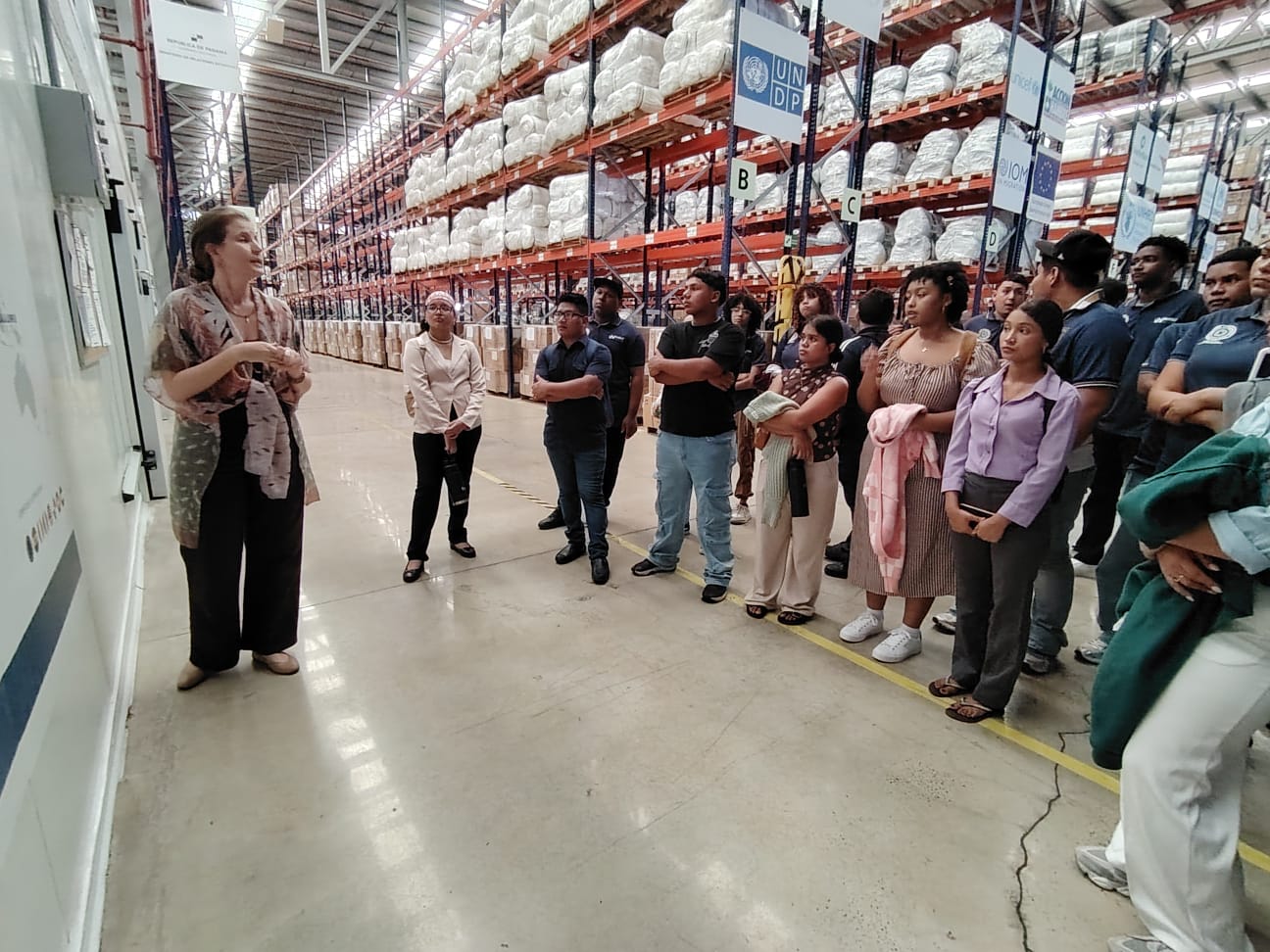
As part of the tour, the students learned about the facilities and different operational processes of the CLRAH, identifying how technological tools contribute to optimizing humanitarian logistics.
The topics covered included inventory control systems, supply traceability, digital records, information platforms, data analysis, and real-time communication—all fundamental elements for facilitating decision-making and speeding up response to emergency situations.
The delegation also had the opportunity to visit the operational hangars managed by the National Civil Protection System (SINAPROC), the International Federation of Red Cross and Red Crescent Societies (IFRC), and the United Nations Humanitarian Response Depot (UNHRD), managed by the World Food Programme (WFP).
In these spaces, participants learned about the processes of storage, classification and distribution of humanitarian aid, as well as the specialized infrastructure for the preservation of medical supplies and food intended to respond promptly to national and international emergencies.
Students present innovation proposals
One of the highlights of the day was the presentation of two technological proposals developed by students from the Scientific Seedbed Group of Systems and Programming of UMECIT, aimed at contributing to the strengthening of the management of humanitarian aid through innovative solutions.
Among the initiatives presented is a proposal focused on improving the care and inclusion of older adults and people with disabilities during emergency and humanitarian assistance situations.
The proposals generated interest from the CLRAH representatives and opened the possibility of continuing the dialogue between both institutions to explore future opportunities for collaboration, research, technological innovation and professional internships for students.
During the meeting, the growing need for professionals specializing in systems and programming to drive digital transformation processes, automation, data analysis, platform development and information management within the humanitarian field was also highlighted.
An experience that connects the classroom with reality
The field trip allowed students to relate the knowledge acquired in the classroom to real-world scenarios of professional application, strengthening skills in research, innovation, social responsibility, and collaborative work.
This experience reaffirms UMECIT's commitment to academic training linked to the needs of society, promoting strategic alliances with high-impact institutions and generating spaces where knowledge, technology and innovation can become tools to contribute to the solution of real challenges.
Through these experiences, UMECIT continues to promote comprehensive training that prepares its students to actively participate in digital transformation processes and in the development of technological solutions with social impact, contributing to the strengthening of humanitarian response capacity in Panama and the region.