
The new Code of Civil Procedure, protagonist of academic conference at UMECIT Santiago
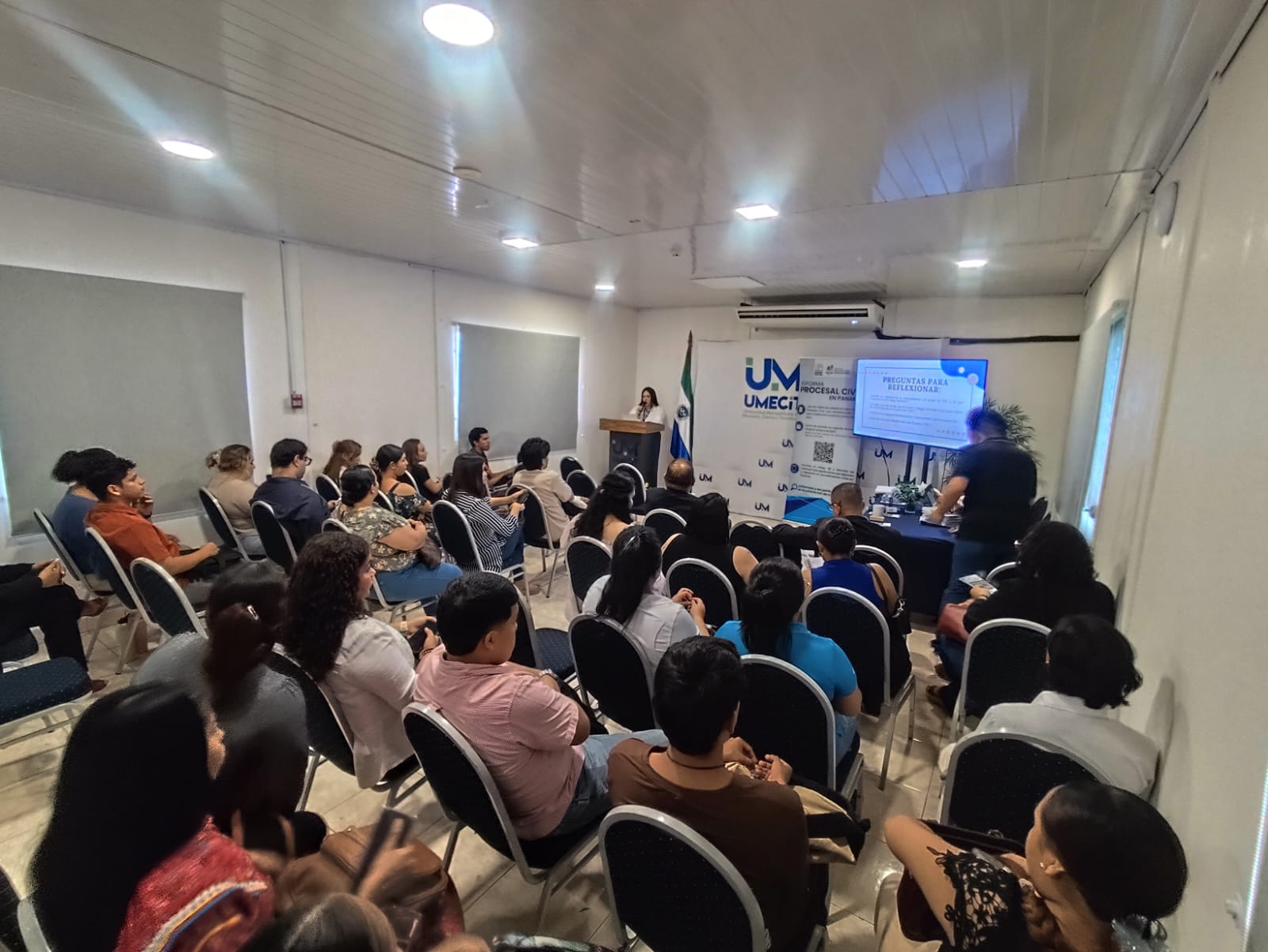
With the purpose of generating a space for updating, reflection and academic exchange on the transformations currently taking place in the Panamanian justice system, the Metropolitan University of Education, Science and Technology -UMECIT-, Santiago campus, developed the seminar “Civil Justice in Transformation: New Challenges for Panamanian Law”, held on Saturday, August 29.
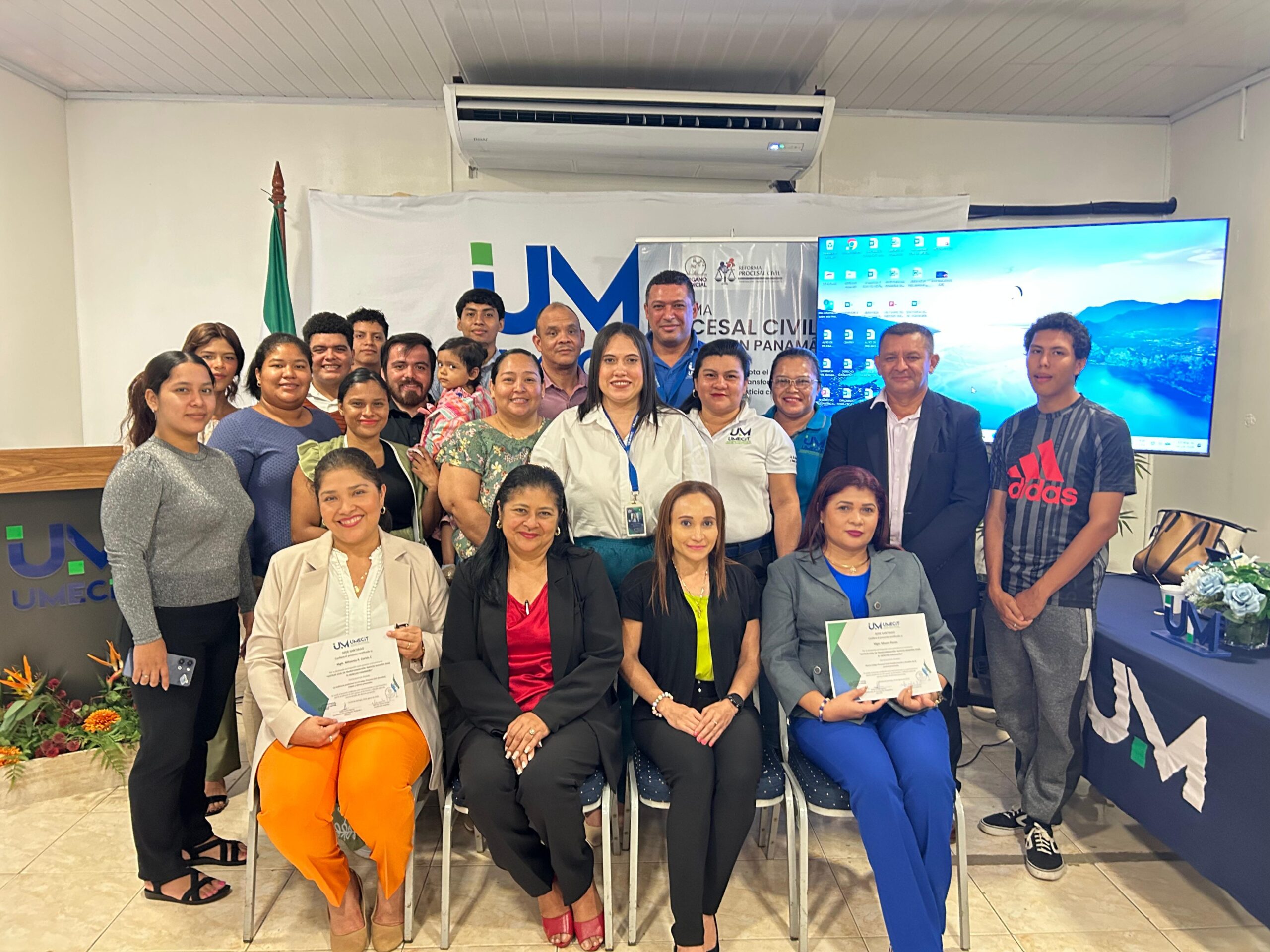
The event brought together students, teachers, graduates, legal professionals and guests, who had the opportunity to delve into some of the main changes brought about by the implementation of the new Civil Procedure Code and its impact on professional practice.
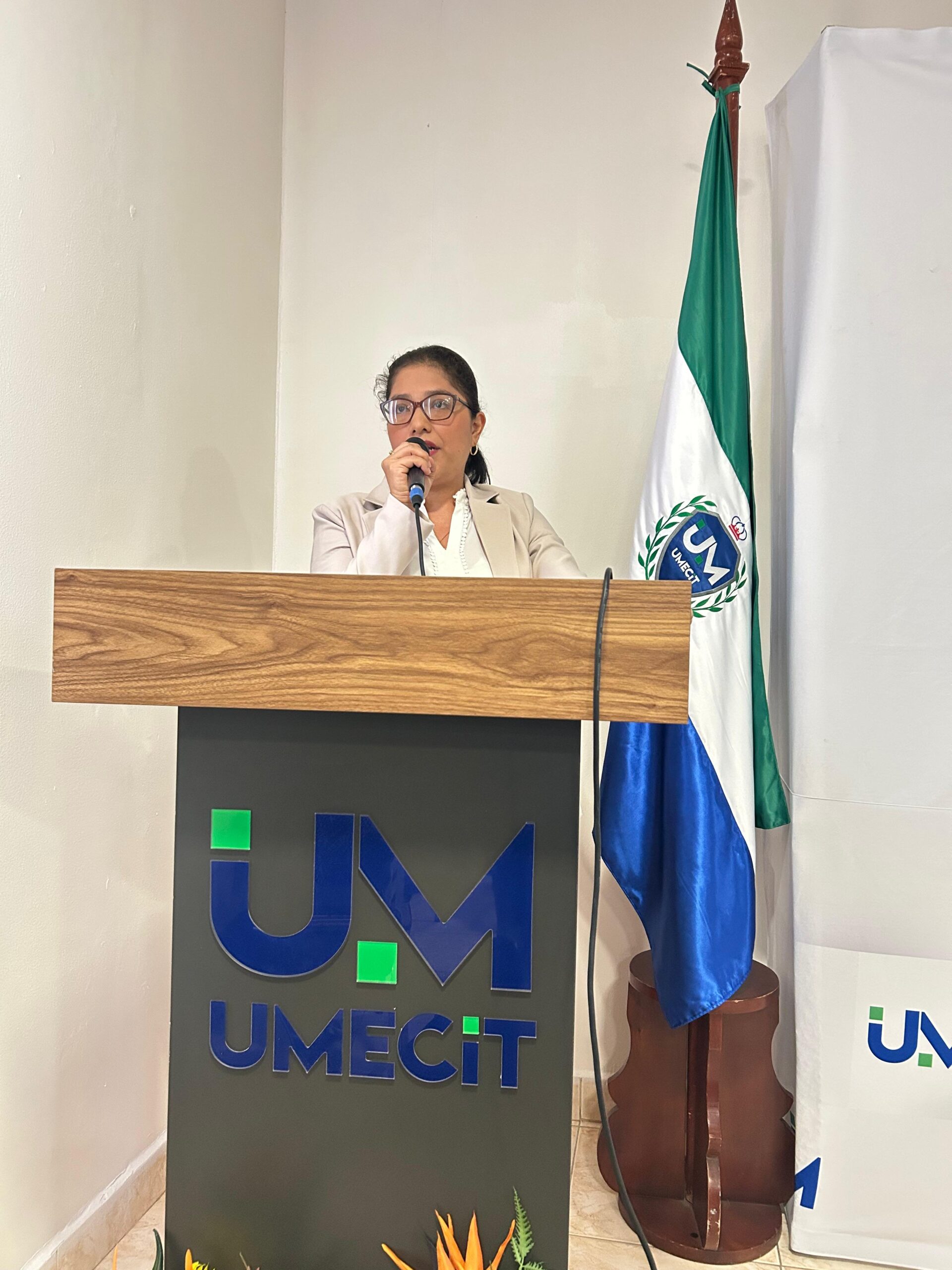
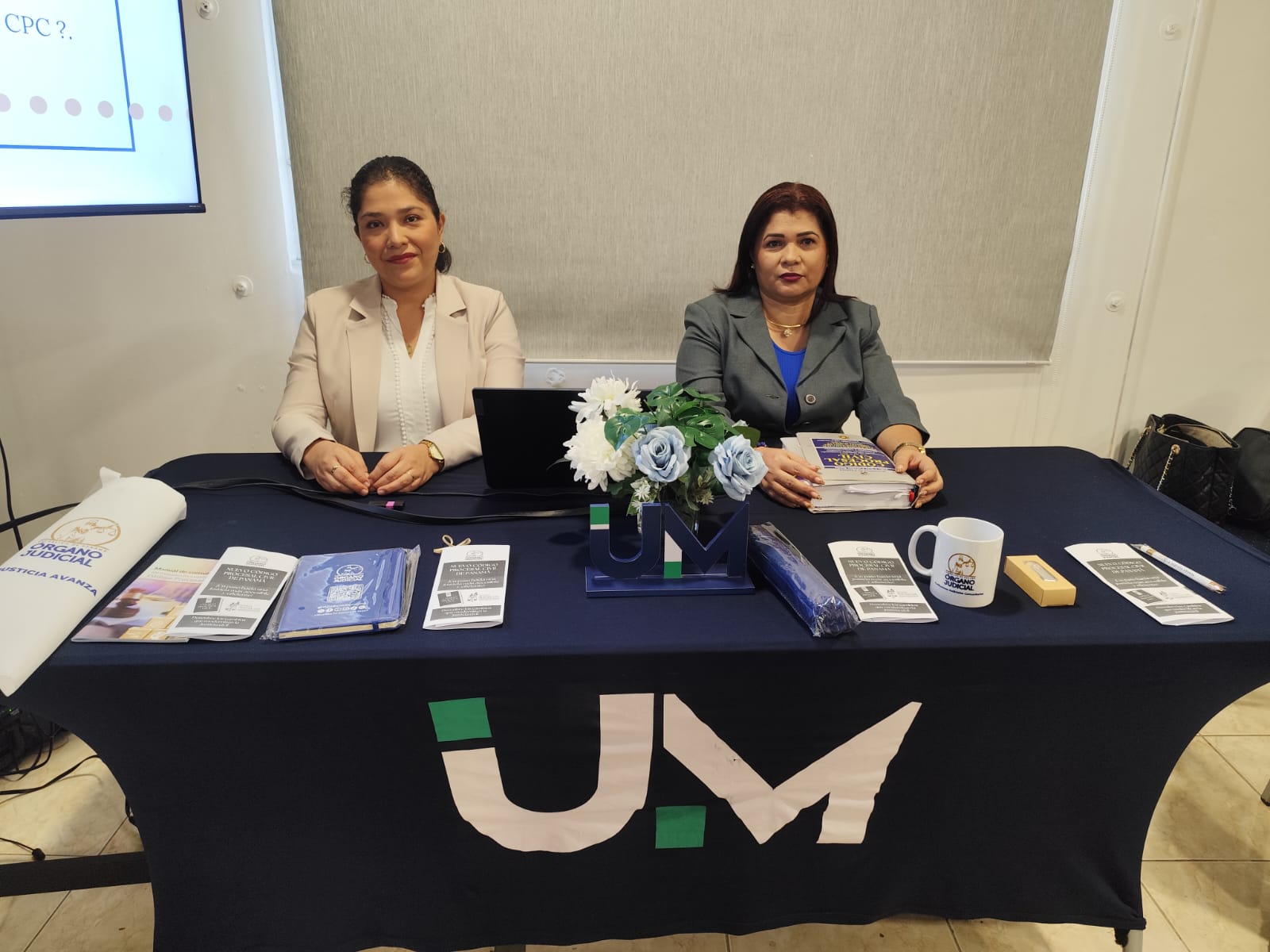
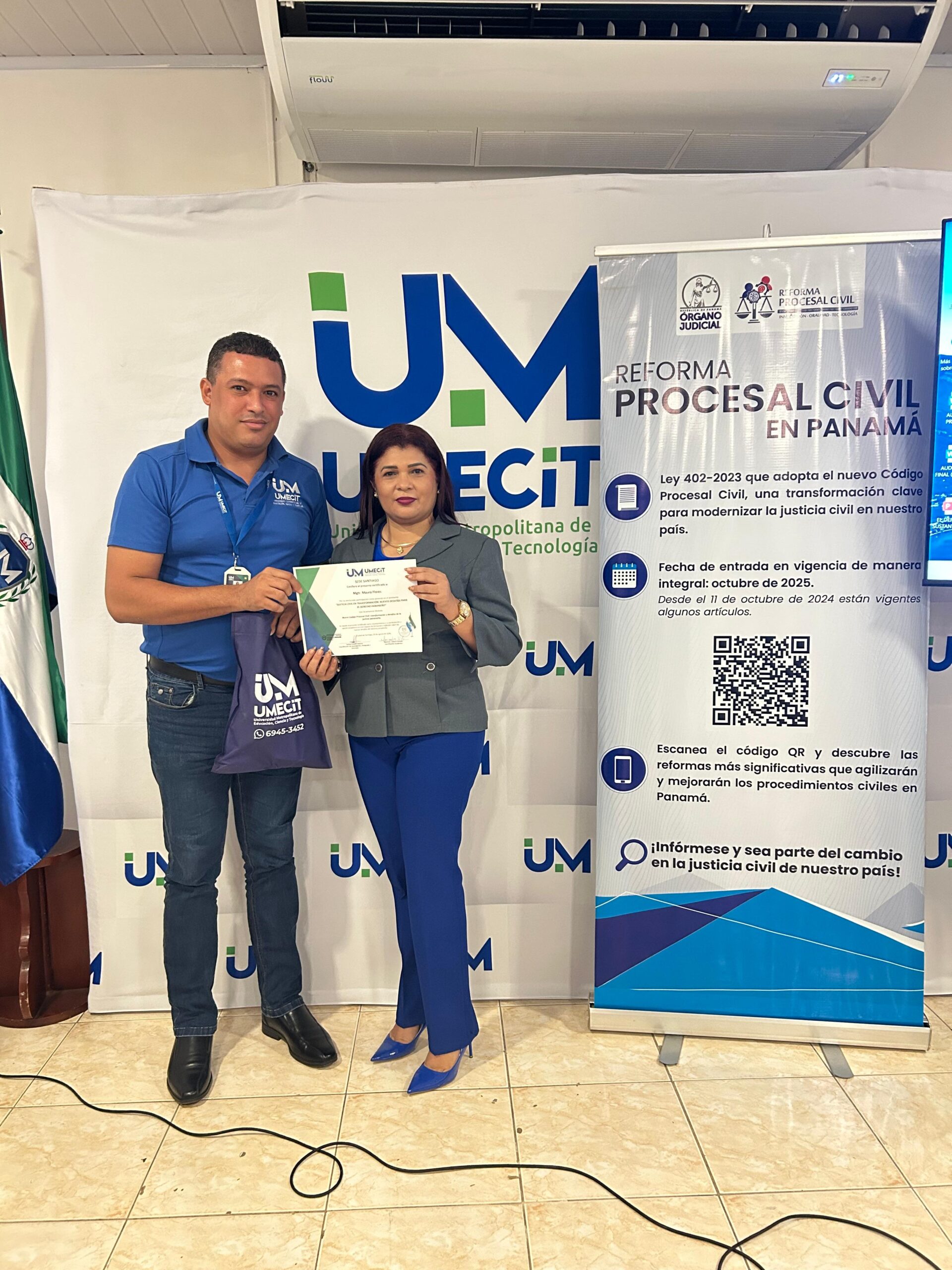
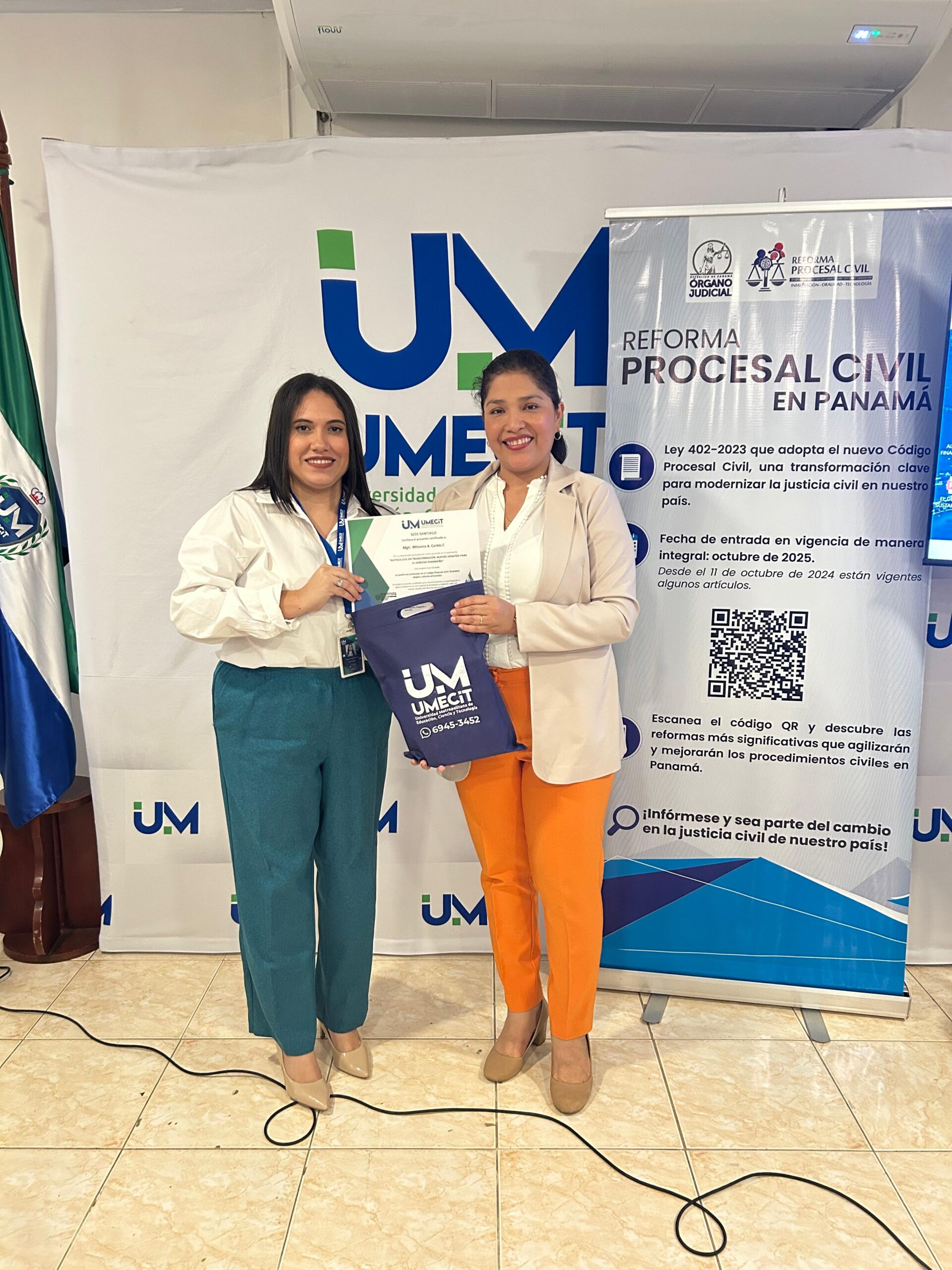
The meeting included the participation of Master Maura Yamileth Flores de Pimentel and Bachelor Mitzenia A. Cortés C., who, from their experience in the judicial and legal fields, offered a practical perspective on the challenges and transformations that civil justice currently faces in Panama.
The first presentation, entitled “New Civil Procedure Code: Transformation and Challenges of the Panamanian Justice System,” was given by Maura Yamileth Flores de Pimentel, MA. Her experience within the judicial system, and particularly with the processes related to the implementation of the new Civil Procedure Code, allowed her to address the regulatory changes from a practical perspective and familiarize participants with the challenges involved in the transition to a new procedural model.
Subsequently, Attorney Mitzenia A. Cortés C. developed the topic "The preliminary hearing in the Code of Civil Procedure: purpose, stages and procedural effects", delving into the role that this stage plays within the new model, as well as its main characteristics and effects within the civil process.
The presentations allowed for a connection to be established between academic content and the reality of professional practice, providing participants with tools to better understand the changes currently being experienced by Panamanian civil justice.
One of the most enriching moments of the day was the exchange with the public, where students, teachers, graduates and professionals were able to ask questions, share concerns and reflect together with the specialists on the challenges that the implementation of the new Civil Procedure Code represents.
This type of activity is especially relevant in the training of future legal professionals, as it allows them to complement the knowledge acquired in the classroom with the experiences of professionals directly involved in the judicial system. It also contributes to strengthening a culture of continuous professional development in response to the regulatory and procedural changes required by the contemporary practice of law.
This activity reaffirms UMECIT Santiago's commitment to creating academic spaces that foster dialogue between the university, professionals, and society. Legal updates, critical analysis, and an understanding of the transformations within the justice system are all part of a comprehensive education designed to prepare professionals capable of responding to the evolving needs of the Panamanian context.
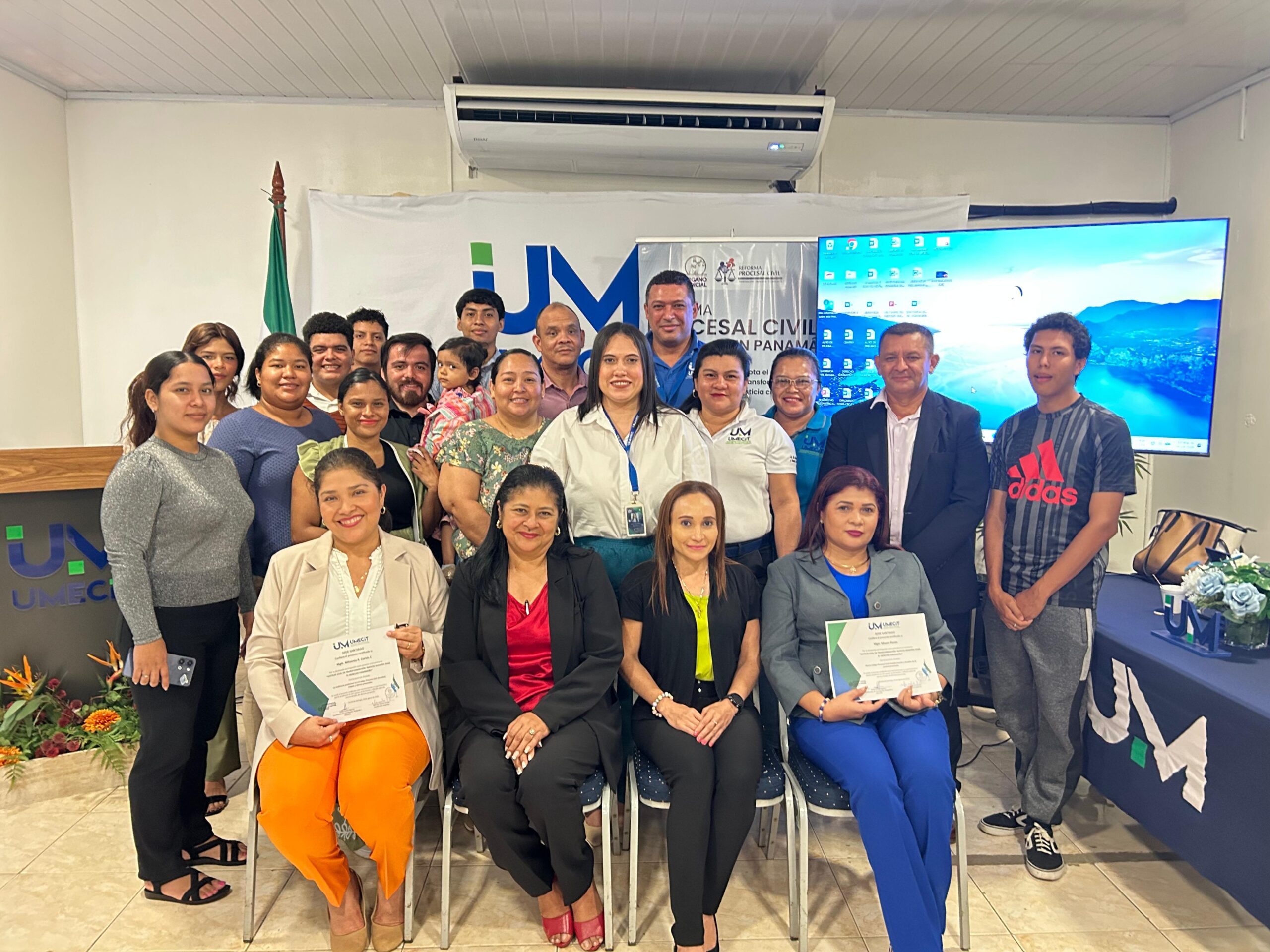
At the end of the seminar, UMECIT Santiago presented awards to the speakers as a token of appreciation for their valuable contributions and for sharing their knowledge and experiences with the university community.
With this initiative, UMECIT joins the reflection on the challenges facing Law in Panama and reaffirms the importance of maintaining legal training linked to reality, permanent updating and the transformations that the country is experiencing.