
UMECIT promotes university dialogue on Panama's Drug Policies 2026-2036
The Metropolitan University of Education, Science and Technology -UMECIT- was the setting for an important space for reflection and dialogue on one of the social and public health challenges facing Panama: drug use and prevention.
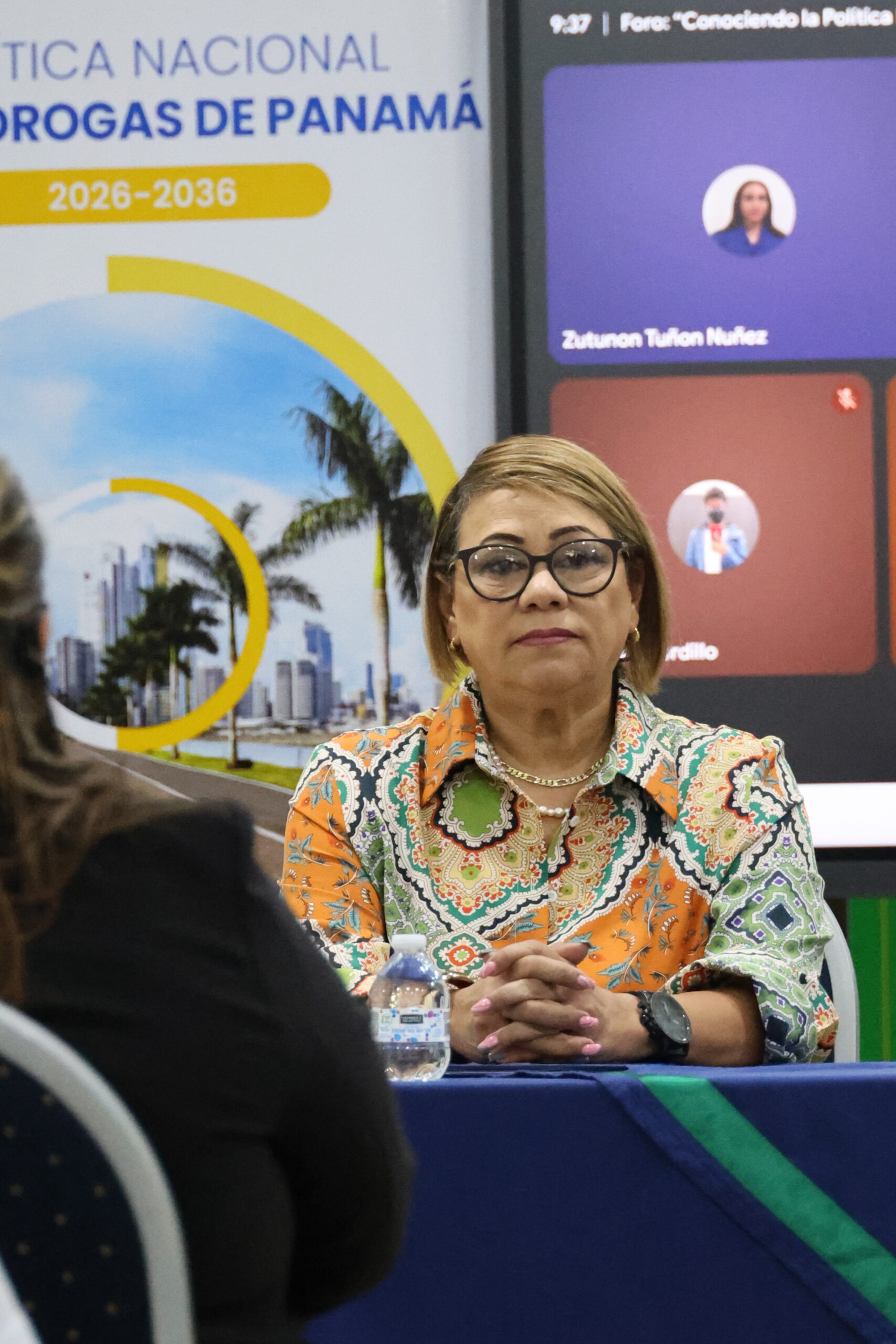
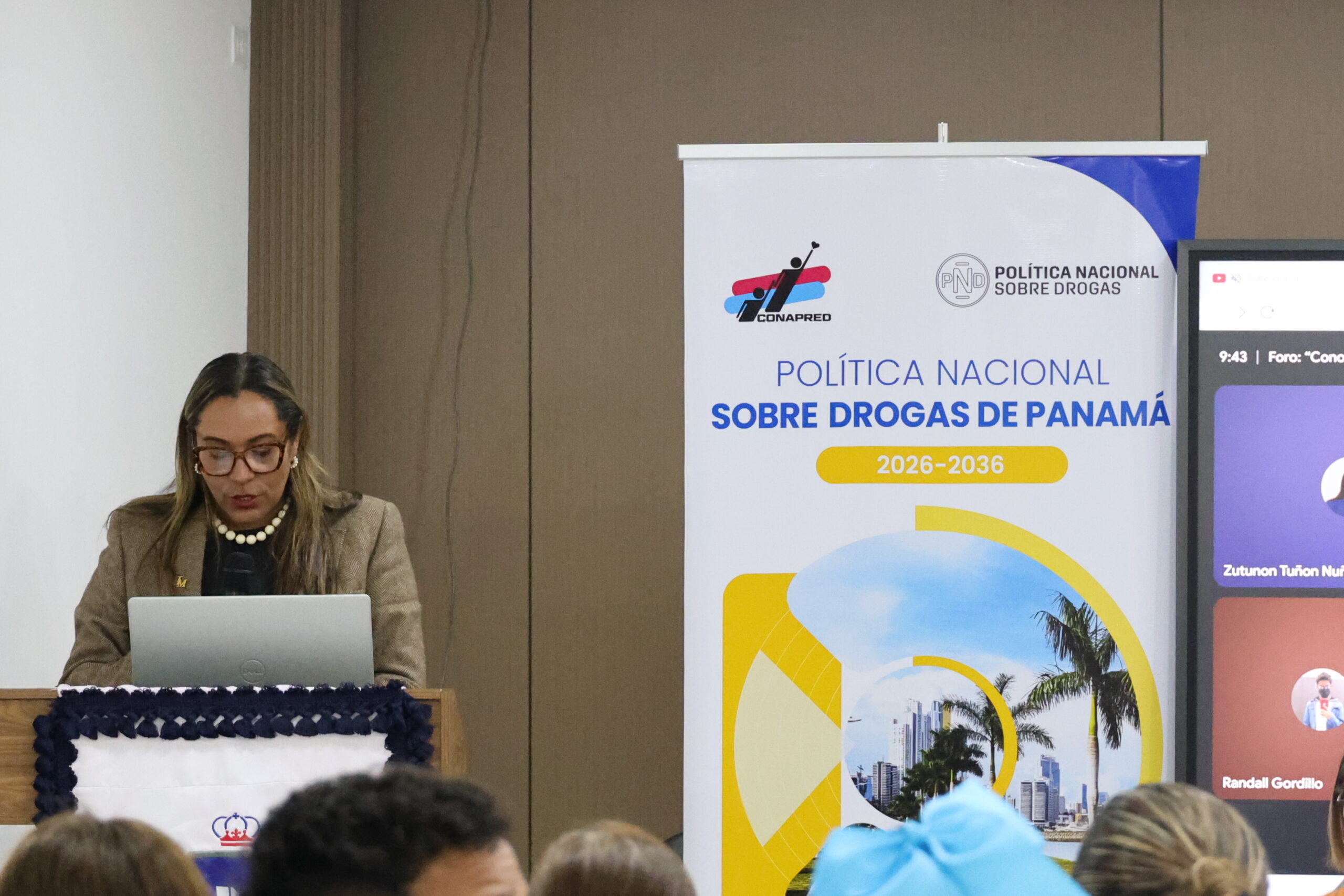
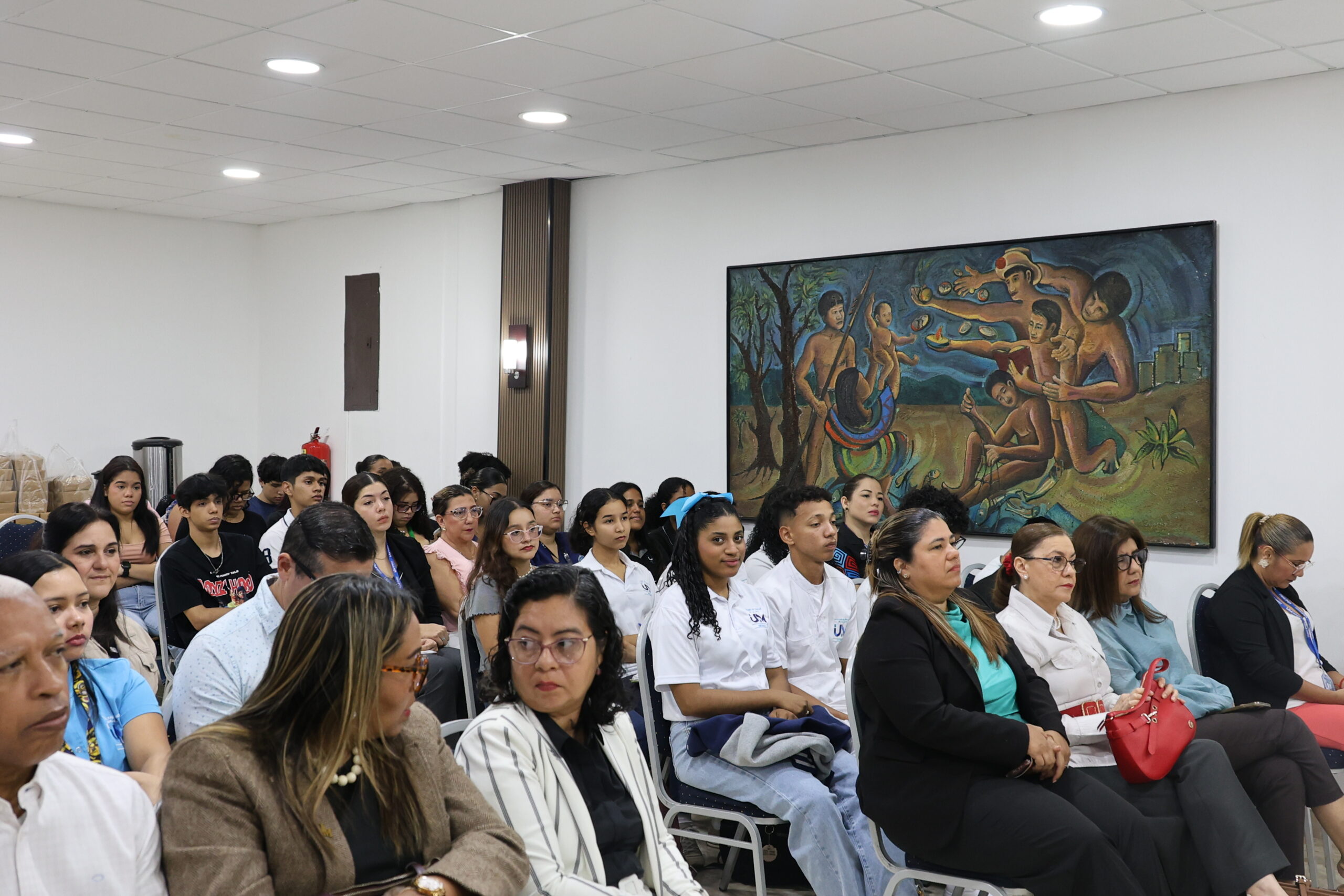
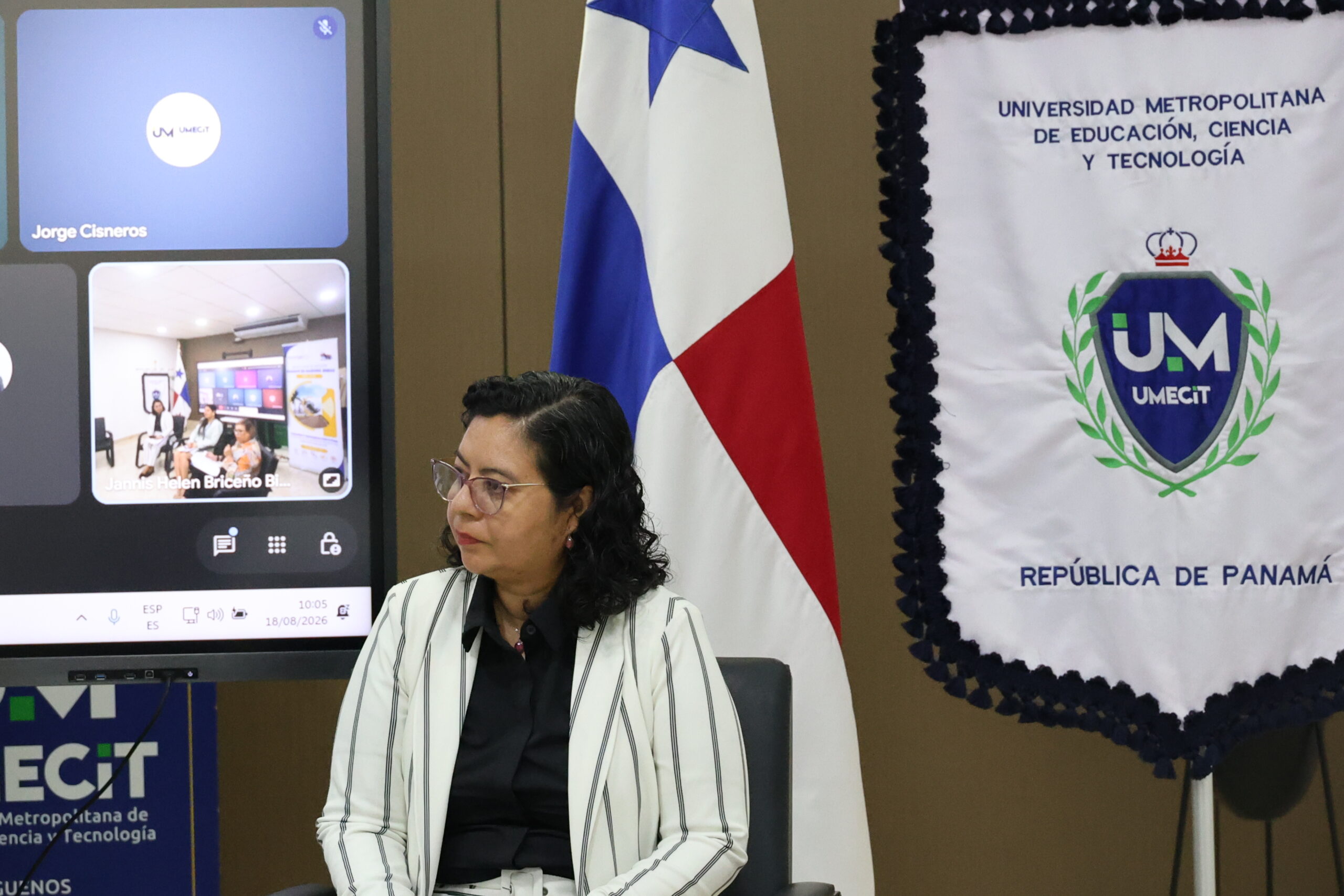
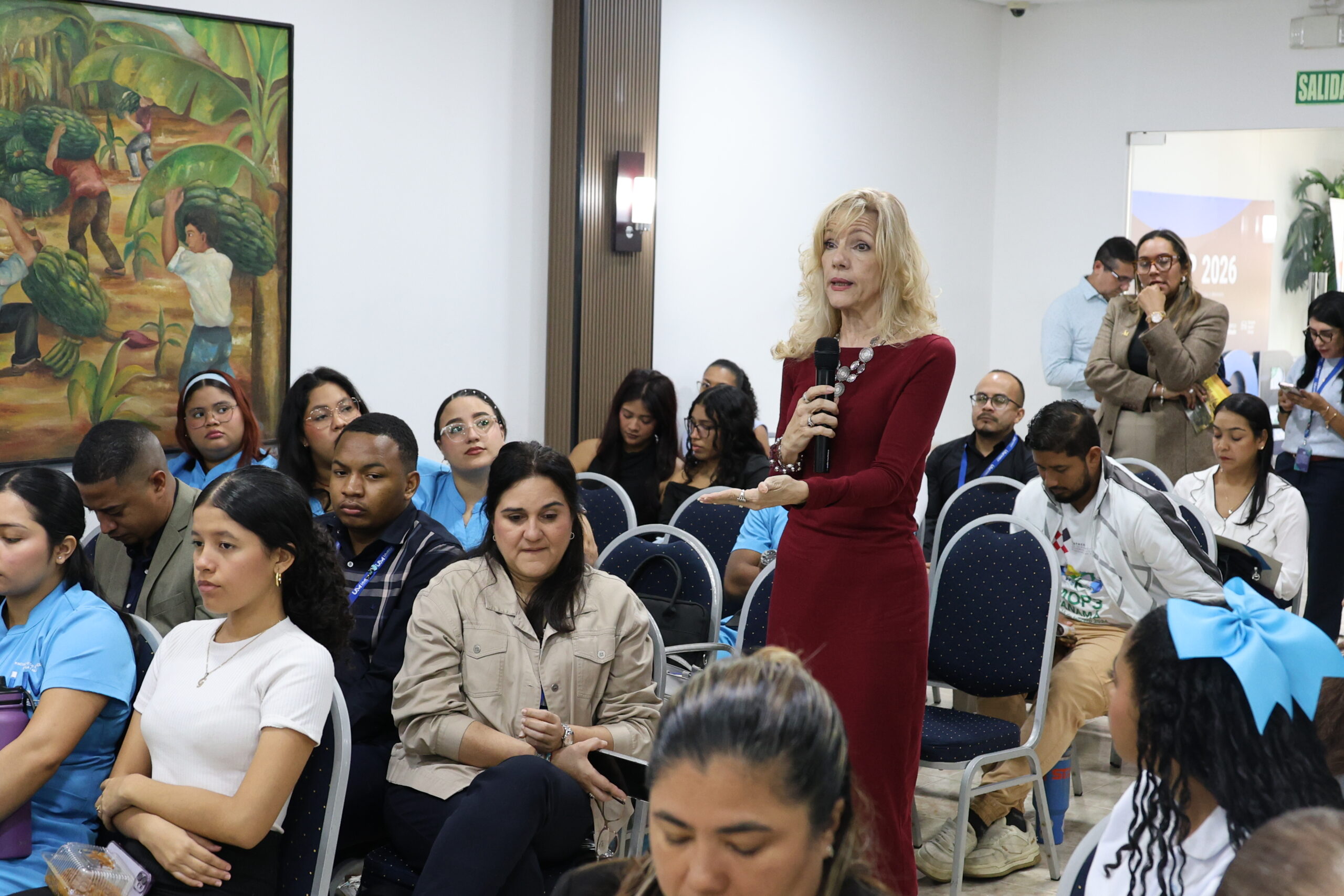
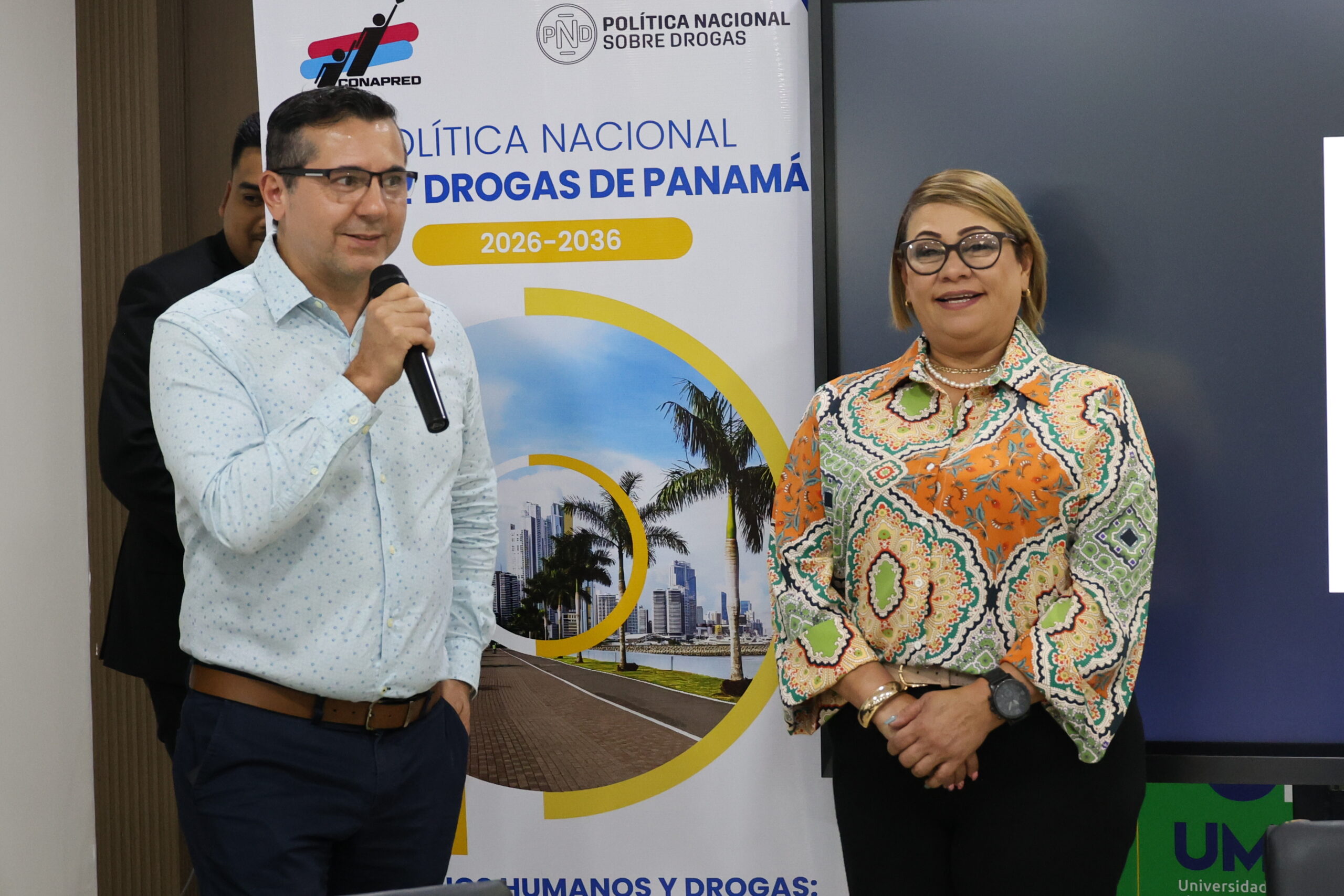
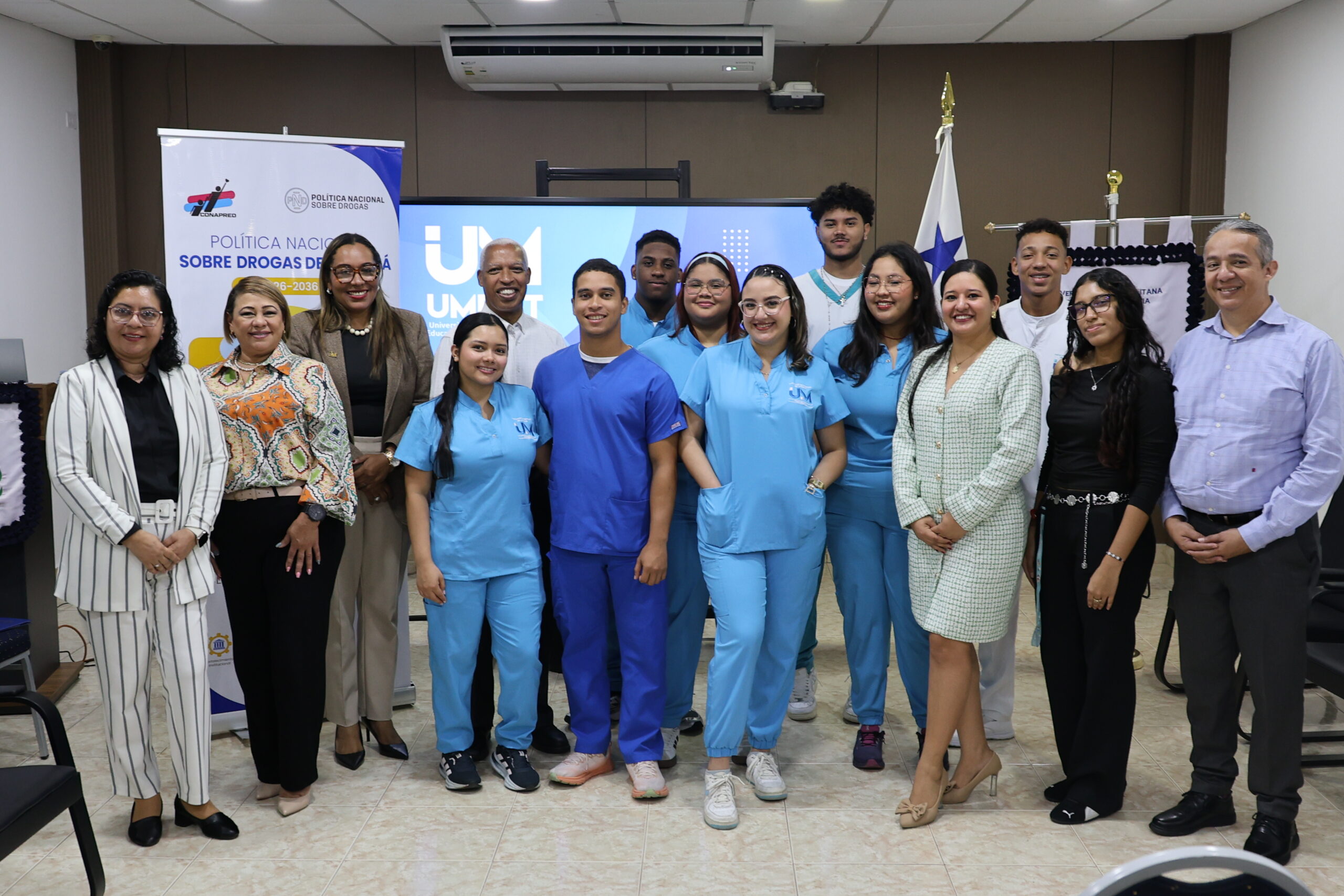
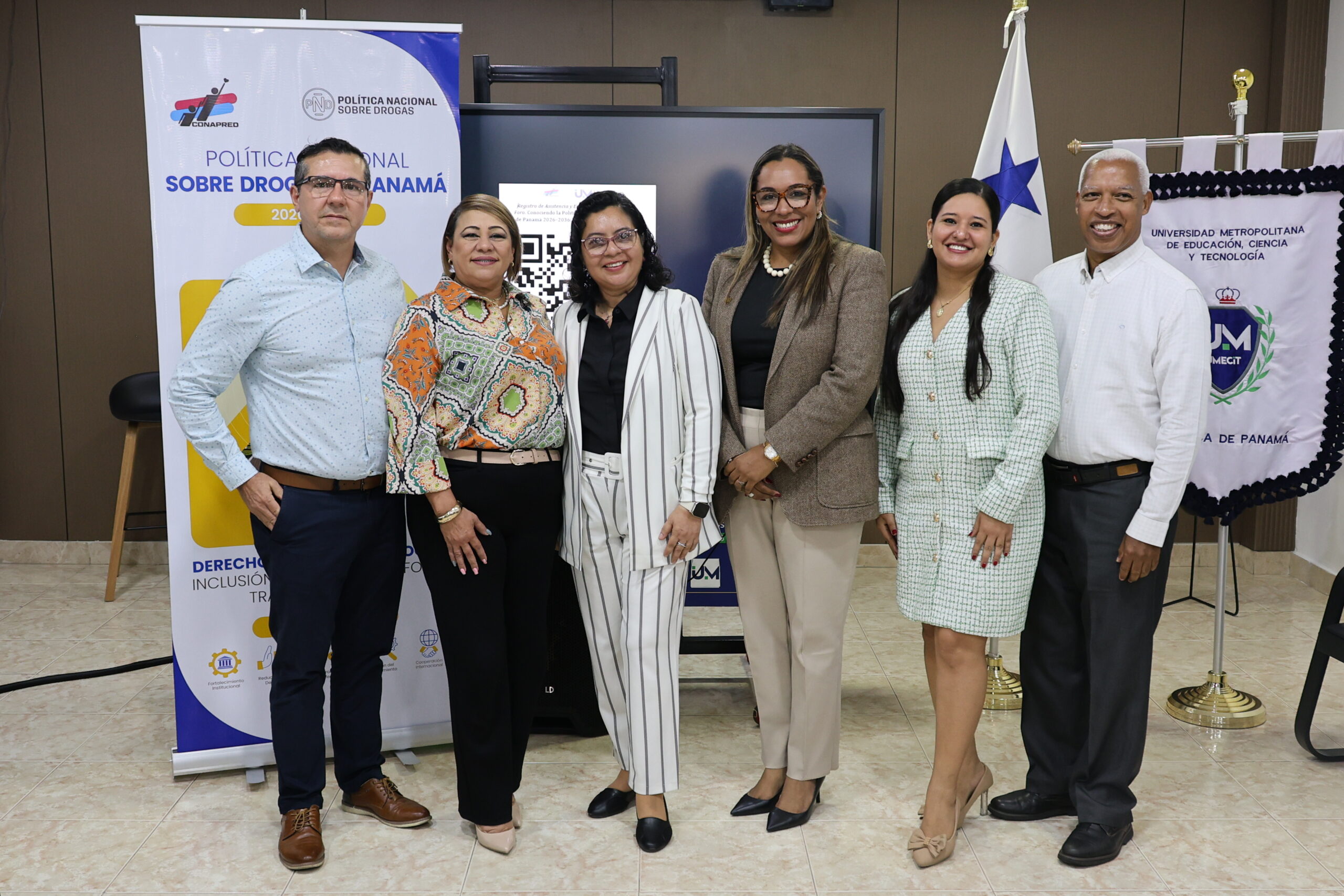
During the CONAPRED University Forum, called “Understanding Panama’s National Drug Policies 2026-2036”, Authorities, specialists, panelists, teachers and students met to learn about the main guidelines of this new national roadmap and to analyze how, from academia and society, it is possible to contribute to its implementation.
A comprehensive approach to a challenge that involves the whole of society
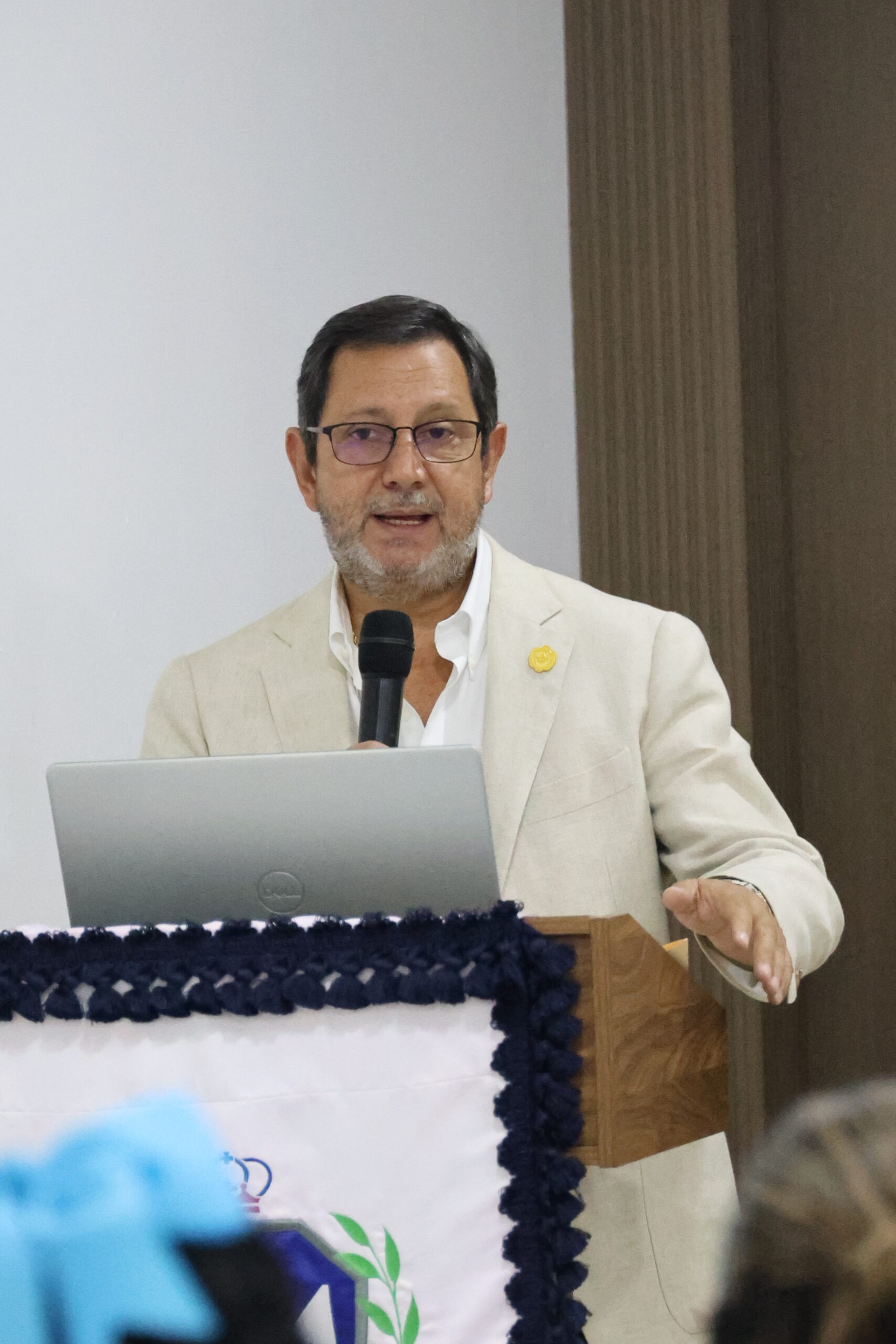
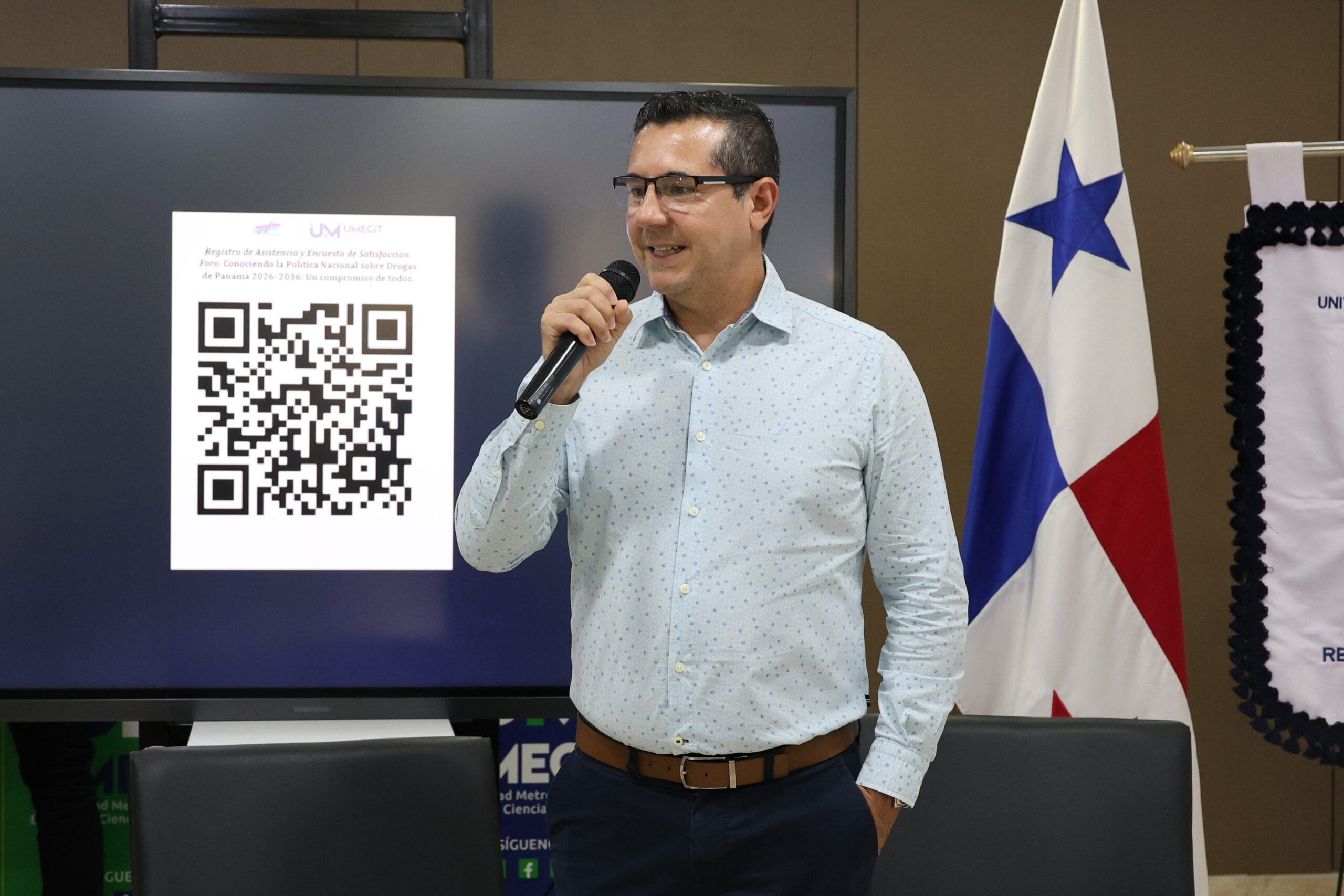
During his speech, the rector of UMECIT, Dr. José Alberto Nieto Rojas, stressed that talking about drugs also means talking about families, prevention, support and public health, emphasizing that the responses to this reality cannot be limited solely to reflection, but require public policies coordinated between different sectors and organizations.
He also highlighted the particular challenges that Panama faces due to its geographical location and the expansion of the phenomenon to different regions of the country, as well as the need to overcome the stigmas that affect people who live this reality.
In this regard, he pointed out the importance of addressing drug policies from a perspective based on human rights, institutional coordination, territoriality and efficiency, promoting responses that allow action not only against the consequences, but also on the causes.
“Let’s work for a Panama where solidarity is the best response,” was one of the messages that marked the reflection of the meeting.
Panama has a new roadmap
During the forum, Panama's National Drug Policy 2026-2036 was presented, a strategy that proposes a comprehensive vision to address the challenges associated with the consumption and supply of substances.
Its main pillars include:
- Governance.
- Reduction in demand.
- Supply control.
- Research and knowledge management.
- International cooperation.
The proposal seeks to strengthen prevention, investigation and care actions, as well as strategies aimed at reducing demand and confronting drug trafficking, understanding that it is a phenomenon that requires an intersectoral and coordinated response.
Prevention begins with knowledge
One of the main calls made during the meeting was related to the need to strengthen prevention, especially among adolescents and young people.
The panelists emphasized that substance use does not conform to a single profile and that risk factors can vary according to the characteristics and contexts of each population. Therefore, prevention strategies must be based on an understanding of social realities and a responsible awareness of the substances circulating in the country.
Emphasis was also placed on the importance of reducing stigma and promoting a perspective based on public health, human rights, prevention, and support.
The role of universities: to train agents of transformation
One of the central themes of the forum was the role that universities play in the face of this reality.
From the perspective of specialists, academia should not limit itself to transmitting knowledge, but has the responsibility to train people capable of understanding the problems of their environment, developing skills and becoming agents of change.
In this regard, the need to work with students on aspects such as lifestyles, myths and realities related to substance use, decision-making skills and, especially, the construction of a life project was highlighted.
The reflection raised a fundamental question: how to get students to become multipliers of prevention and well-being within their communities?
The answer lies in a comprehensive education that integrates knowledge, skills, attitudes, and social commitment.
A forum to learn, contribute and transform
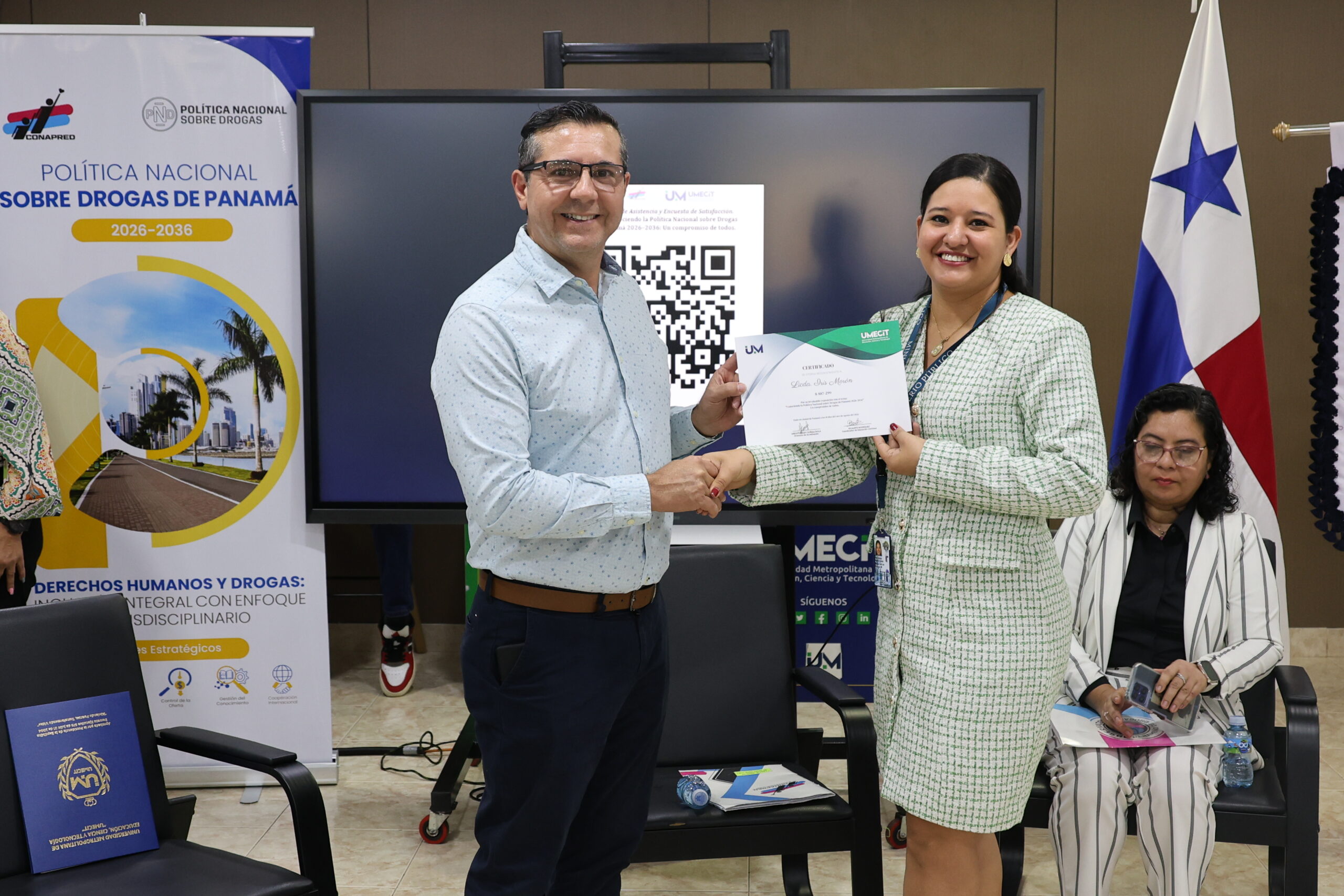
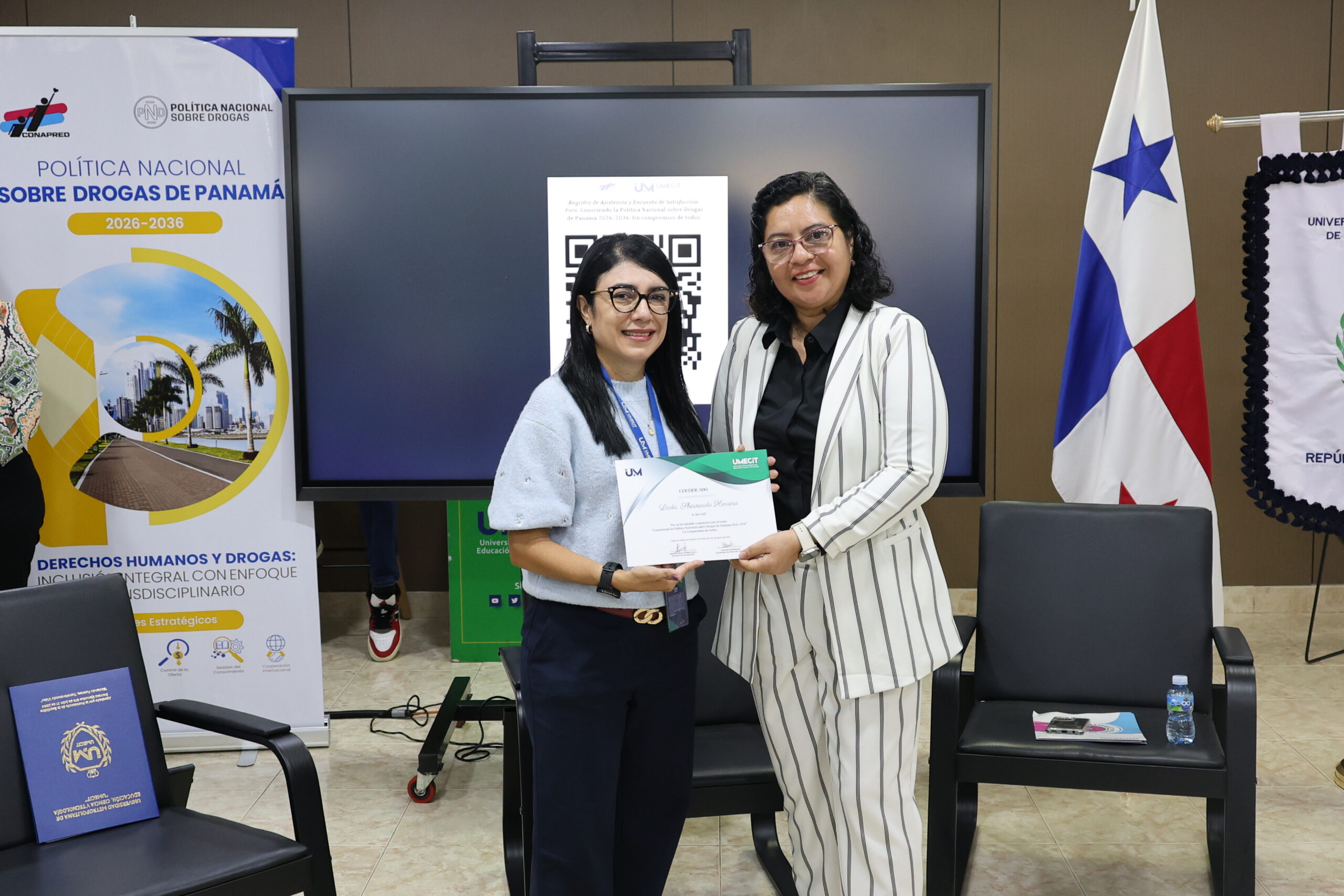
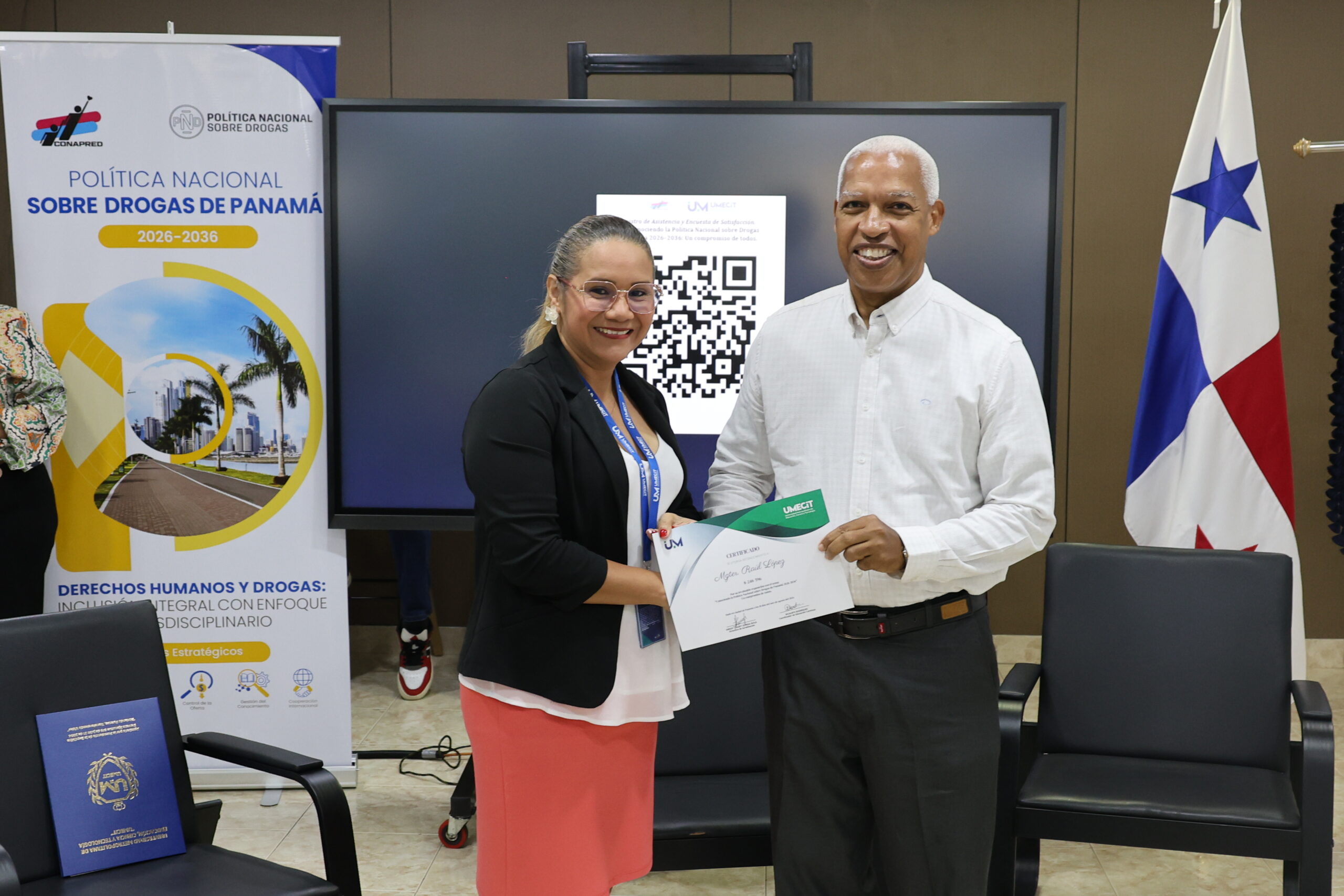
The meeting included the participation of Master Jisell Maitin Arana, executive secretary of CONAPRED; Lic. Iris Morón, prosecutor of the Superior Prosecutor's Office for Legal Affairs; Master Raúl López, psychologist of the Health Commission of the Council of Rectors; Licda. Shesnarda Herrera, psychologist of the Demand Reduction Unit of CONAPRED and Dr. Gressy Zuñiga moderator of the panel.
The forum highlighted that drug-related challenges cannot be addressed by a single sector. Government, universities, families, civil society, professionals, and students all have a role to play.
For UMECIT, creating these spaces represents an opportunity to strengthen the training of its students and promote a university connected to the needs of society.
Because when academia engages with major social challenges, knowledge ceases to be confined to the classroom and becomes a force for transforming lives.
UMECIT continues to be committed to an education that is engaged with the present and prepared to build a more conscious, humane and supportive future for Panama.